Article Summary: Galvanized steel coil is an essential material for modern metal fabrication, offering reliable corrosion protection, excellent formability, and consistent surface quality. Choosing the right galvanized steel coil for metal fabrication helps manufacturers improve production efficiency, reduce maintenance costs, and extend the service life of finished components. This guide explores its manufacturing process, technical specifications, zinc coating options, processing advantages, and industrial applications, helping buyers make informed material sourcing decisions.
As an experienced steel supplier, YS STEEL provides high-quality Galvanized Steel Coil for Metal Fabrication with customizable thicknesses, widths, zinc coating weights, and surface finishes. Designed for demanding industrial applications, these products combine corrosion resistance with excellent bending, stamping, roll-forming, and welding performance, making them a practical solution for manufacturers seeking consistent material quality and long-term production reliability.
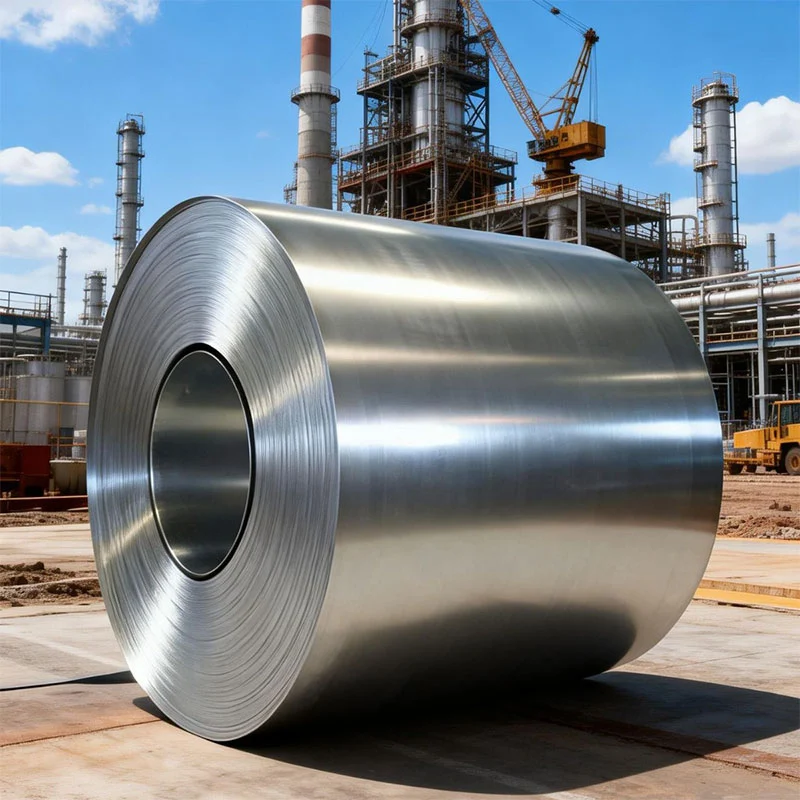
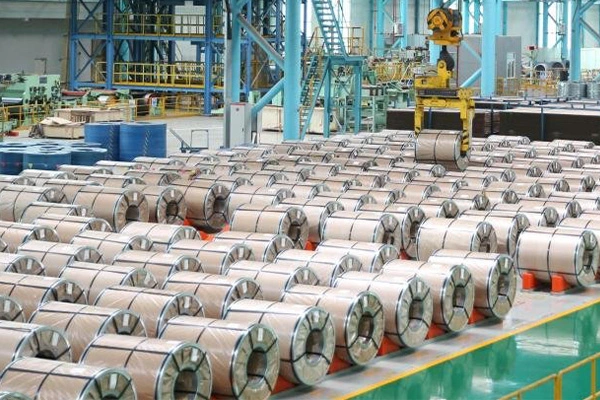
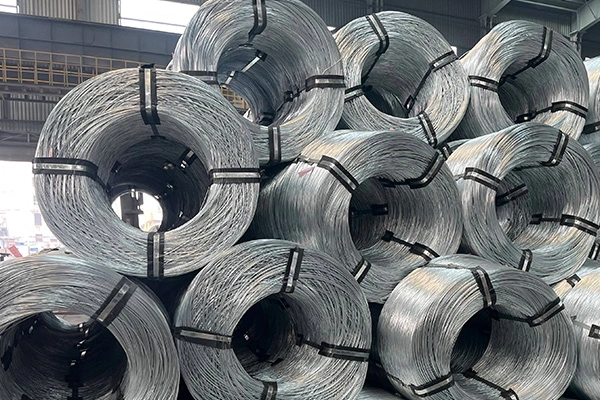
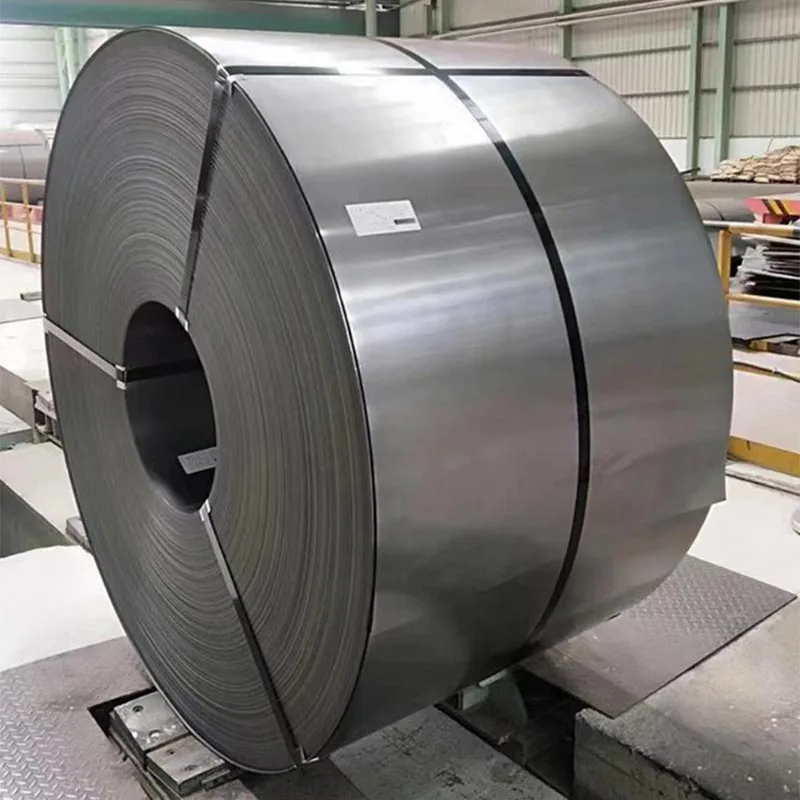
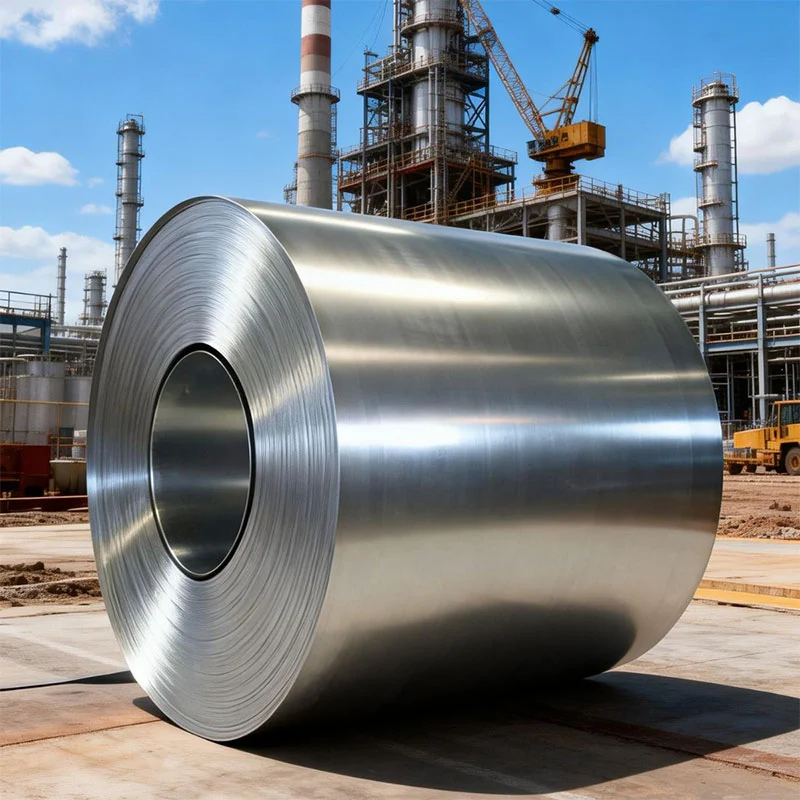
Galvanized steel coil is a carbon steel product protected by a zinc coating applied through a galvanizing process. The steel substrate can be manufactured from cold-rolled or hot-rolled carbon steel, depending on the required mechanical properties and final application.
During hot-dip galvanizing, the steel strip passes through a molten zinc bath, creating a protective coating that combines a zinc-iron alloy layer with an outer zinc layer. This coating provides both physical barrier protection and sacrificial corrosion protection.
Unlike untreated carbon steel, galvanized steel offers improved resistance to moisture, atmospheric exposure, and other common corrosive conditions. When the material is cut or scratched, the surrounding zinc can provide sacrificial protection to small exposed areas, although severe coating damage and highly corrosive environments may still require additional treatment.
For manufacturers, this material is particularly valuable because corrosion protection is integrated into the steel before fabrication. It reduces the need for extensive post-production surface treatment and supports more efficient manufacturing workflows.
The manufacturing process directly affects coating adhesion, surface quality, dimensional accuracy, and subsequent fabrication performance. A controlled production process helps ensure that galvanized steel coils meet the requirements of industrial processing lines.
A typical hot-dip galvanizing production sequence includes:
Each stage contributes to the final product's reliability. Uniform coating distribution and strong coating adhesion are particularly important because galvanized steel must withstand subsequent cutting, bending, stamping, and forming without excessive coating damage.
For industrial manufacturers, the value of galvanized steel extends beyond basic rust prevention. Its combination of corrosion resistance, mechanical performance, and processing convenience makes it suitable for a wide range of fabrication requirements.
The zinc coating acts as a protective barrier against moisture and atmospheric exposure. Zinc also provides sacrificial protection, helping protect exposed steel around small scratches and cut edges under suitable environmental conditions.
This characteristic is especially useful for roofing systems, outdoor equipment, ventilation components, and agricultural structures.
Hot-dip galvanizing creates a metallurgically bonded coating structure. With appropriate material selection and processing conditions, the coating can withstand common fabrication operations while maintaining reliable adhesion.
Galvanized steel is available in different grades to accommodate different fabrication requirements. Depending on the selected grade and thickness, it can support:
Because corrosion protection is applied during steel production, manufacturers can reduce reliance on additional anti-corrosion painting for many applications. This can simplify production procedures, reduce labor requirements, and lower long-term maintenance expenses.
Steel is highly recyclable, and galvanized steel can be recovered and recycled through established steel recycling processes. This makes it a practical material choice for manufacturers looking to improve resource efficiency and support sustainable production strategies.
Selecting the correct specifications is essential for ensuring that galvanized steel coil performs effectively in the intended manufacturing process. YS STEEL offers multiple grades and customizable dimensions to accommodate different industrial requirements.
| Parameter | Specification | Typical Considerations |
|---|---|---|
| Steel Grades | SGCC, DX51D+Z, DX52D+Z, DX53D+Z, S280GD+Z, S350GD+Z | General forming, deep drawing, and structural applications |
| Thickness | 0.18 mm–3.0 mm | Suitable for different sheet metal and structural requirements |
| Standard Widths | 900 mm, 1250 mm, 1500 mm | Custom slitting widths available |
| Zinc Coating Weight | 60, 80, 100, 120, 180, 220, 275 g/m² | Selected according to corrosion exposure |
| Surface Finish | Regular spangle, minimized spangle, zero spangle | Functional and appearance-related requirements |
| Production Standards | GB/T 2518, ASTM A653, EN 10346, JIS G3302 | International procurement and project specifications |
| Processing Methods | Bending, stamping, roll forming, cutting, welding | Subject to grade, thickness, tooling, and process conditions |
These specifications provide a practical starting point for material selection. Buyers should confirm the exact coating designation, dimensional tolerances, mechanical properties, and applicable standards before placing an order.
Zinc coating weight is one of the most important factors influencing the corrosion resistance of galvanized steel. A suitable coating level should be selected according to the operating environment, expected service conditions, and project budget.
| Zinc Coating Weight | Recommended Applications | Key Characteristics |
|---|---|---|
| 60–120 g/m² | Indoor appliances, hardware, dry environments | Economical corrosion protection |
| 180 g/m² | Factory buildings, ventilation ducts, greenhouses, fencing | Balanced protection for general outdoor applications |
| 220–275 g/m² | Humid climates, coastal projects, outdoor structural components | Higher zinc protection for more demanding environments |
For example, manufacturers producing indoor electrical cabinets may prioritize surface consistency and cost efficiency, making a thinner zinc coating a suitable option. By contrast, outdoor agricultural structures and photovoltaic mounting components may require heavier coatings to withstand prolonged exposure to rain and humidity.
It is important to remember that coating weight alone does not determine actual service life. Environmental corrosivity, coating distribution, cut-edge protection, installation conditions, and maintenance practices also influence long-term performance.
Buyers sometimes compare hot-dip galvanized steel (GI) with aluminum-zinc-coated steel (GL). Both materials provide corrosion protection, but their coating compositions and performance characteristics differ.
| Comparison | GI Galvanized Steel | GL Galvalume Steel |
|---|---|---|
| Coating Composition | Primarily zinc | Aluminum-zinc alloy |
| Corrosion Protection | Sacrificial zinc protection | Barrier protection and alloy-specific corrosion resistance |
| Fabrication | Good formability across suitable grades | Performance depends on substrate and coating system |
| Typical Applications | General fabrication, appliances, structural components | Roofing, cladding, and selected outdoor applications |
| Main Selection Factor | Fabrication compatibility and zinc protection | Weather exposure and coating performance |
For conventional metal fabrication involving bending, stamping, and general structural processing, GI galvanized steel is often a practical choice. GL products may be preferred when their specific weathering and thermal performance characteristics better match the application.
Metal fabrication involves multiple processes that can affect the integrity of a protective coating. Therefore, selecting galvanized steel requires more than checking its nominal dimensions and zinc coating weight.
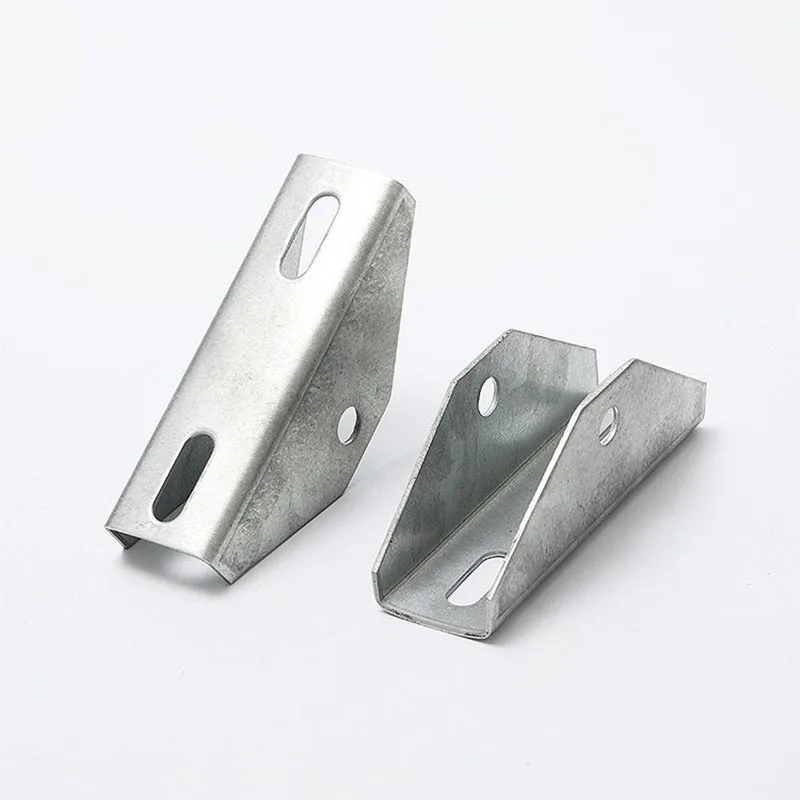
Galvanized steel with suitable ductility can be processed into brackets, panels, enclosures, and structural profiles. Selecting the correct grade, bend radius, and tooling conditions helps reduce the risk of coating damage and substrate cracking.
Stamping applications require stable mechanical properties, surface consistency, and appropriate lubrication. DX52D+Z and DX53D+Z are potential choices for applications requiring improved formability compared with general-purpose grades.
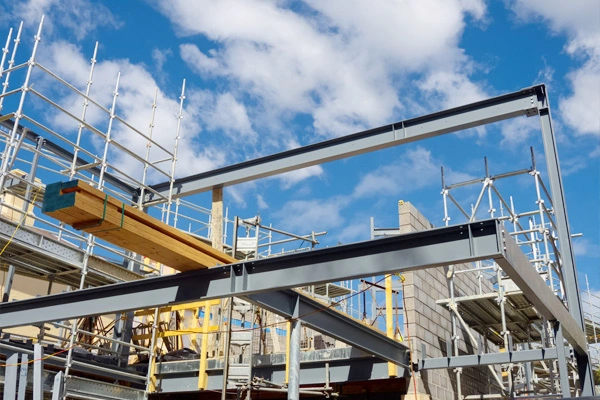
Continuous roll forming is widely used to manufacture roofing profiles, wall panels, channels, and other building components. Consistent coil thickness, flatness, and coating quality help maintain dimensional accuracy and reduce production interruptions.
Shearing, punching, laser cutting, and welding can all be used with galvanized steel when suitable process settings are applied. However, zinc coatings can generate fumes during welding and thermal cutting. Appropriate local exhaust ventilation, respiratory protection where required, and workplace safety procedures are essential.
For critical applications, manufacturers should conduct fabrication trials to verify coating behavior, finished-part quality, and compatibility with their production equipment.
The versatility of galvanized steel makes it an important material across numerous industrial sectors. Its combination of corrosion protection and fabrication flexibility supports both functional and structural applications.
In addition to direct fabrication, galvanized steel coil can also serve as a substrate for prepainted steel production. Its protective zinc coating provides a useful foundation for subsequent coating and finishing processes when the appropriate surface pretreatment system is applied.
For international buyers, consistent quality and reliable documentation are just as important as competitive pricing. A comprehensive inspection process helps prevent material discrepancies and production problems after delivery.
Before purchasing galvanized steel coil for metal fabrication, consider the following factors:
Recognized standards such as ASTM A653, EN 10346, JIS G3302, and GB/T 2518 provide important technical references. However, buyers should specify the exact standard, grade, coating designation, and acceptance criteria in their purchase contracts.
Choosing a dependable steel supplier can directly influence manufacturing consistency, procurement efficiency, and overall project costs. YS STEEL focuses on supplying galvanized steel products with flexible specifications and professional export support.
YS STEEL supports multiple steel grades, thicknesses, widths, zinc coating weights, and surface finishes. Buyers can select specifications according to their fabrication equipment, environmental conditions, and final product requirements.
Quality management covers substrate selection, galvanizing, surface finishing, and final inspection. Important inspection items include coating weight, surface appearance, dimensional accuracy, and mechanical properties.
Products can be supplied according to relevant GB, ASTM, EN, and JIS standards. Supporting documents may include material certificates, mechanical test reports, coating thickness reports, salt spray test results, and third-party inspection documentation, subject to the agreed order requirements.
Different purchasing arrangements are available to accommodate traders, manufacturers, processing plants, and construction contractors. These include sample orders, available stock, bulk orders, and customized specifications.
The YS STEEL team assists buyers in evaluating steel grades, zinc coating requirements, fabrication compatibility, and delivery arrangements. This helps customers make more informed purchasing decisions rather than selecting materials based solely on initial price.
To explore available specifications, visit the YS STEEL Galvanized Steel Coil for Metal Fabrication product page.
Galvanized steel grades with suitable ductility can generally accommodate demanding bending operations, including 180-degree bending under appropriate conditions. Actual performance depends on steel grade, thickness, coating characteristics, bend radius, and tooling. Fabrication trials are recommended for critical components.
In many standard indoor applications, zinc's sacrificial protection can help protect small exposed cut edges. However, for coastal locations, salt-spray environments, and highly corrosive outdoor conditions, additional edge protection is recommended to improve long-term durability.
DX52D+Z and DX53D+Z are commonly considered for applications requiring improved forming and deep-drawing performance. The final selection should be based on the component geometry, forming depth, mechanical property requirements, and production conditions.
Regular spangle features a visible crystalline surface pattern and is commonly used for functional industrial components. Zero-spangle galvanized steel has a smoother and more uniform appearance, making it suitable for appliance housings, precision sheet metal parts, and products requiring a consistent surface finish.
Zinc coating weight primarily influences corrosion protection, but coating thickness and coating characteristics can also influence fabrication behavior. Properly manufactured galvanized steel is designed to maintain suitable formability. Buyers should evaluate the specific grade, coating designation, and forming conditions together.
Yes. Galvanized steel is widely used as a substrate for prepainted steel production. The surface must be compatible with the selected pretreatment and coating system to ensure good paint adhesion, appearance consistency, and long-term performance.
To obtain an accurate quotation from YS STEEL, buyers should provide the following information:
Providing these details helps the supplier recommend suitable specifications and prepare a more accurate quotation and delivery plan.
Selecting the right Galvanized Steel Coil for Metal Fabrication is an important step toward improving product durability, manufacturing efficiency, and long-term cost control. From steel grade and zinc coating weight to surface finish and dimensional accuracy, every specification should match the actual processing requirements and operating environment.
With customizable specifications, quality-focused production management, and international export support, YS STEEL provides galvanized steel solutions for construction, home appliances, agricultural facilities, renewable energy projects, and industrial metal fabrication. Whether you need standard galvanized coils or customized materials for specialized production lines, our team is ready to help you identify the right solution. Visit our product page or contact us today to discuss your requirements, request a competitive quotation, and start your next steel procurement project with confidence.