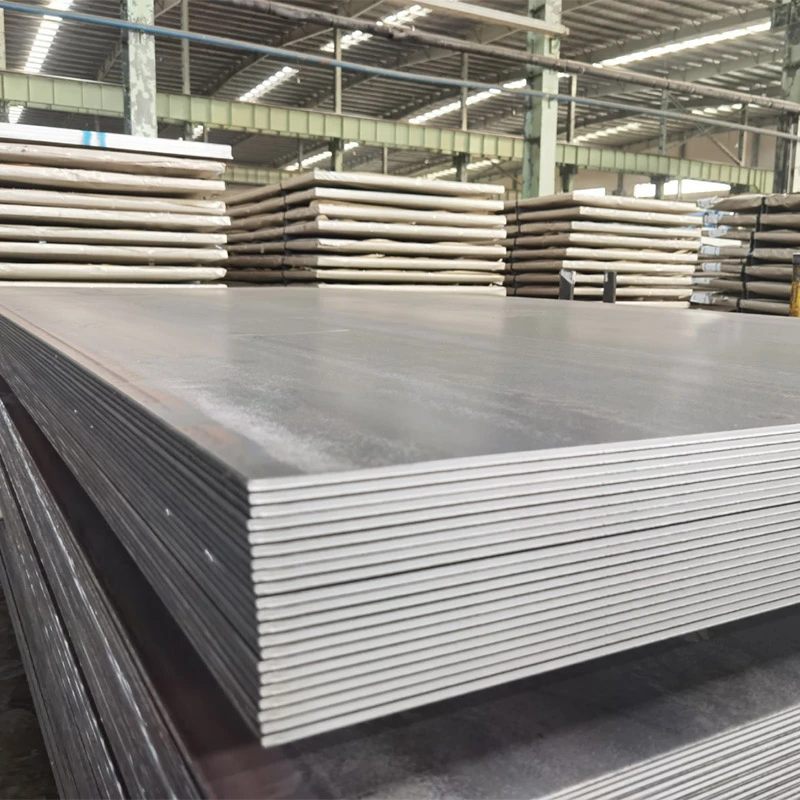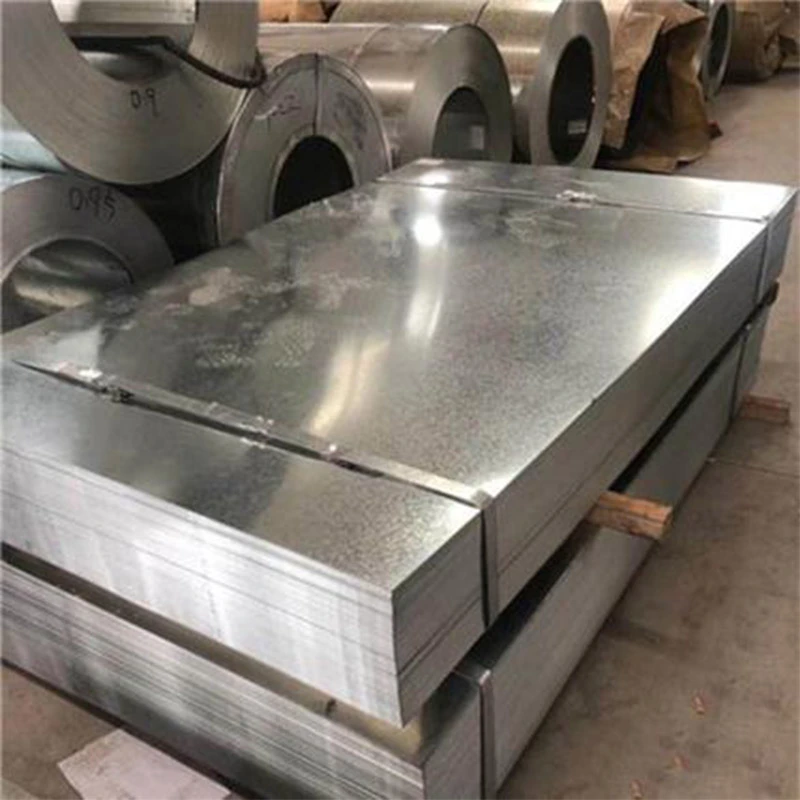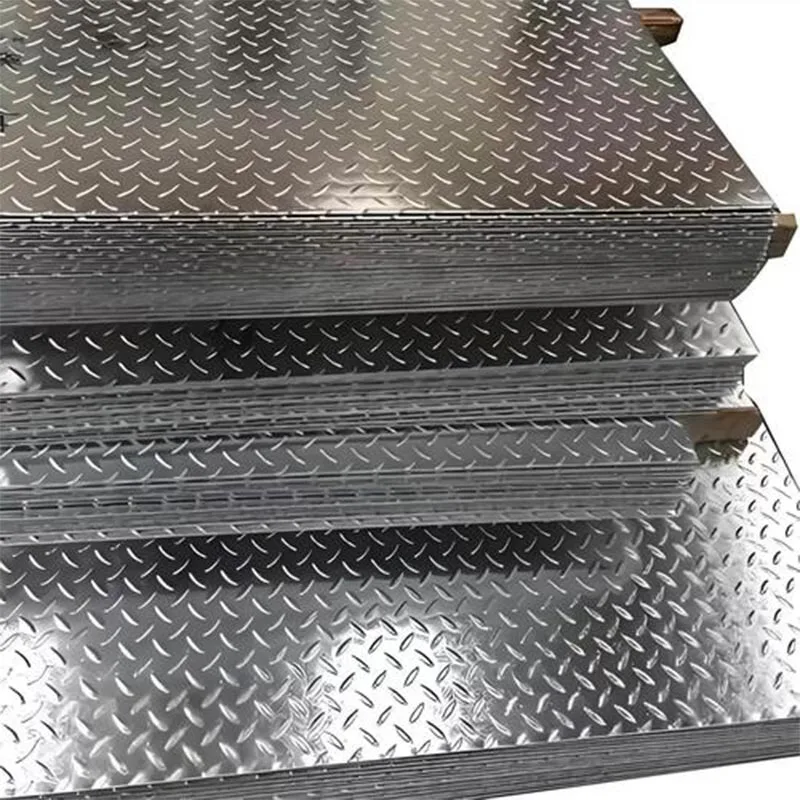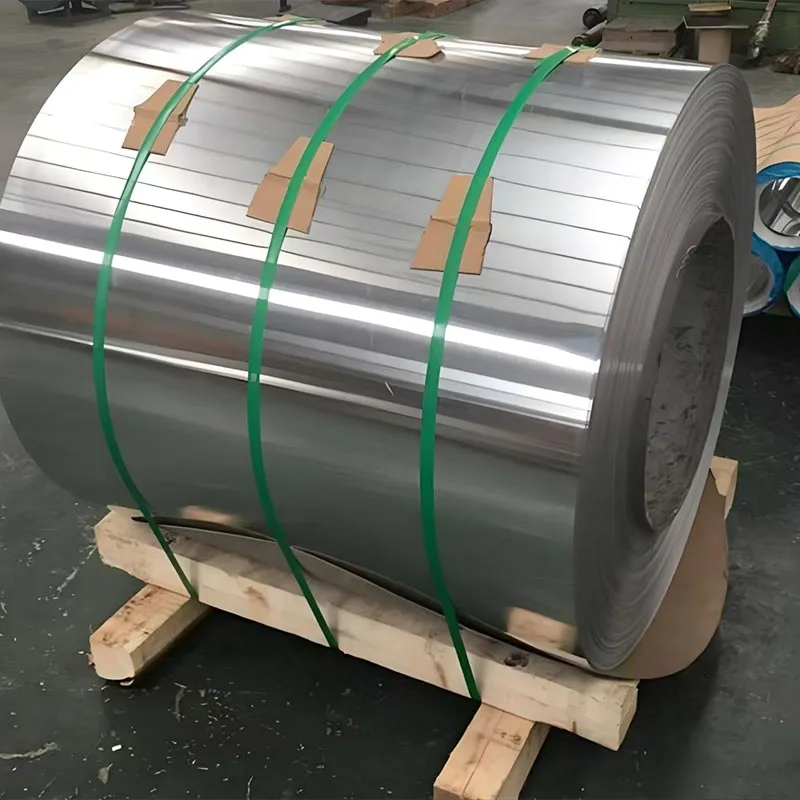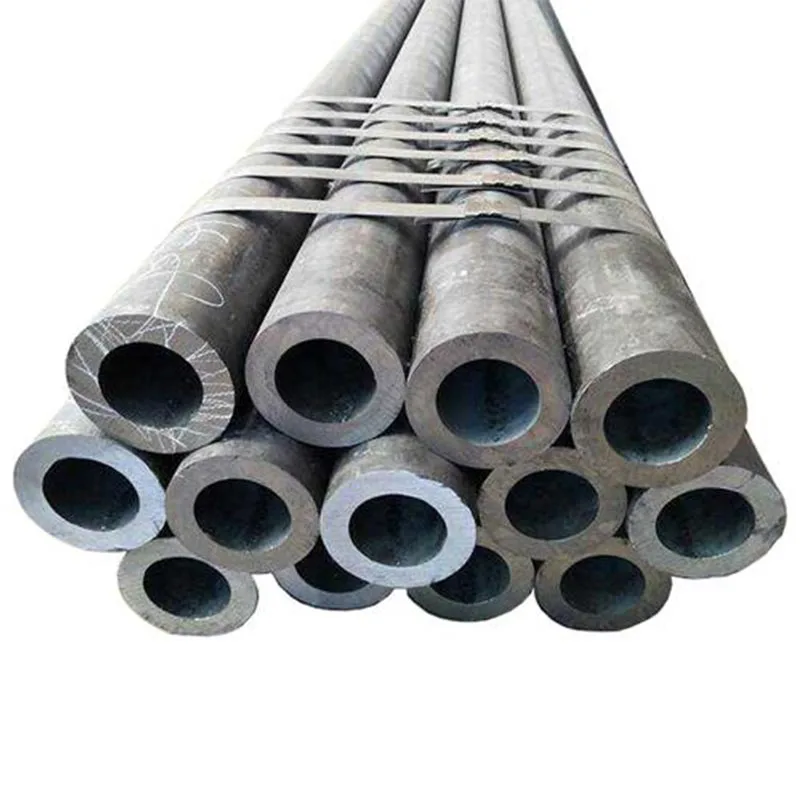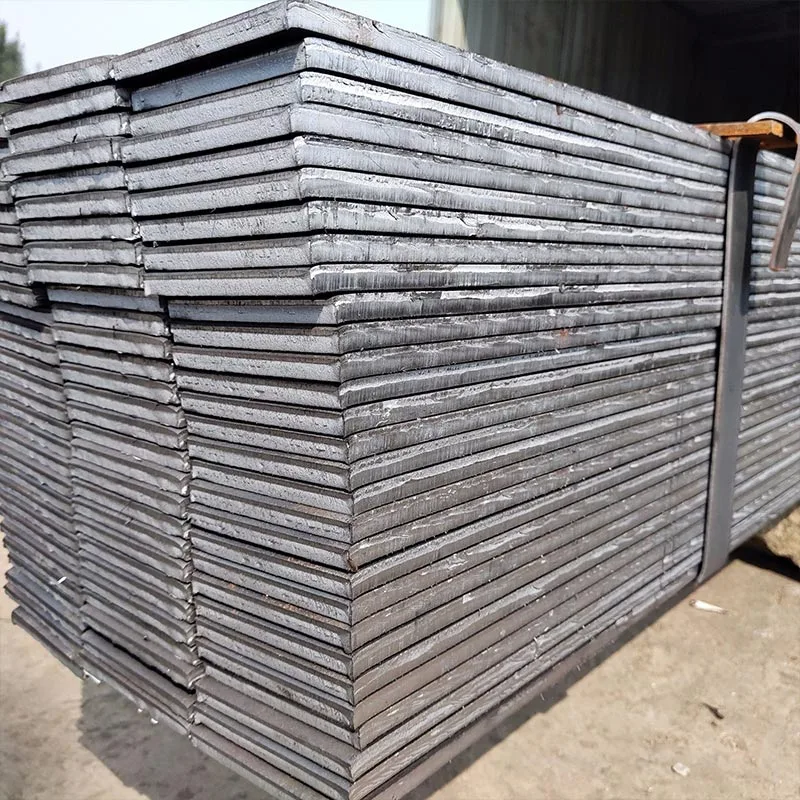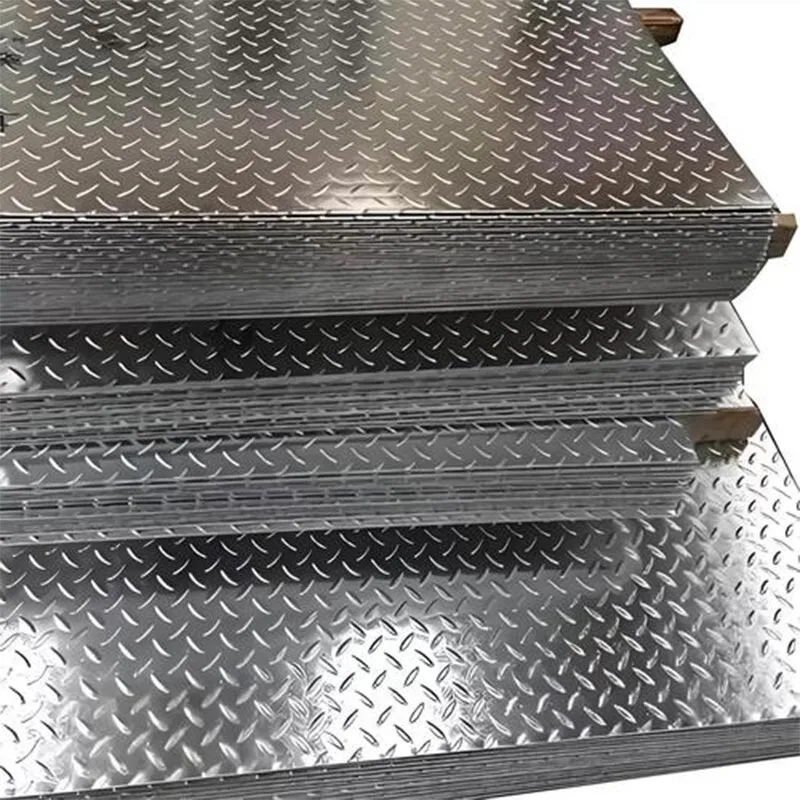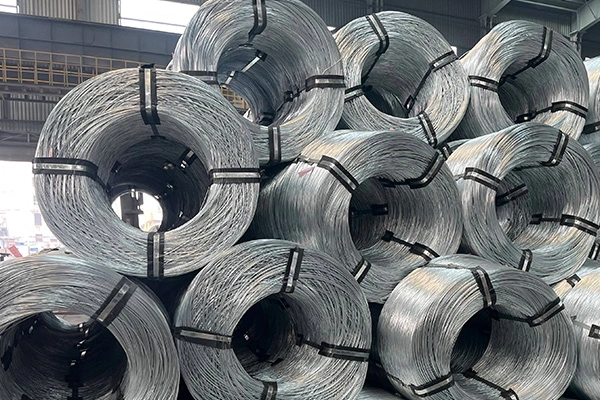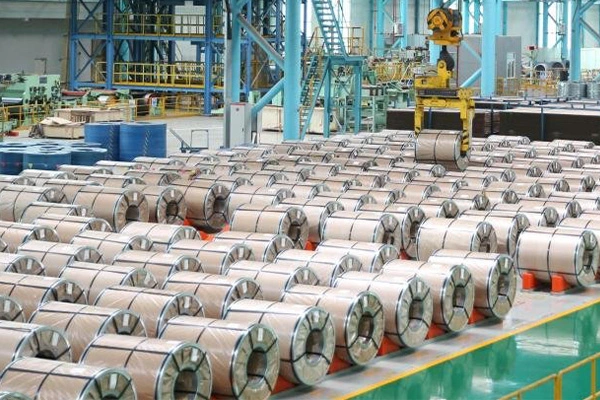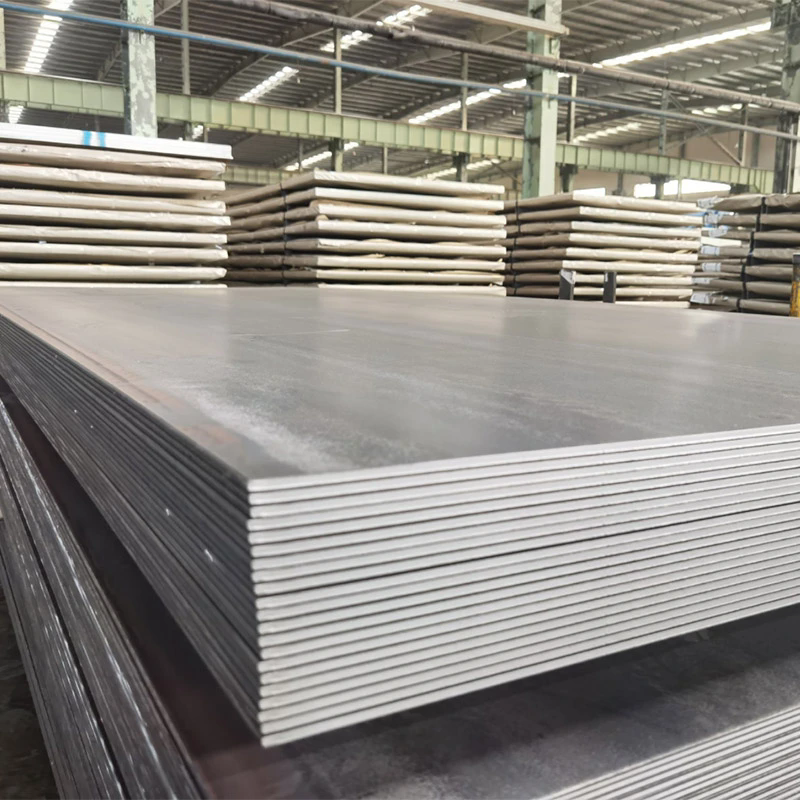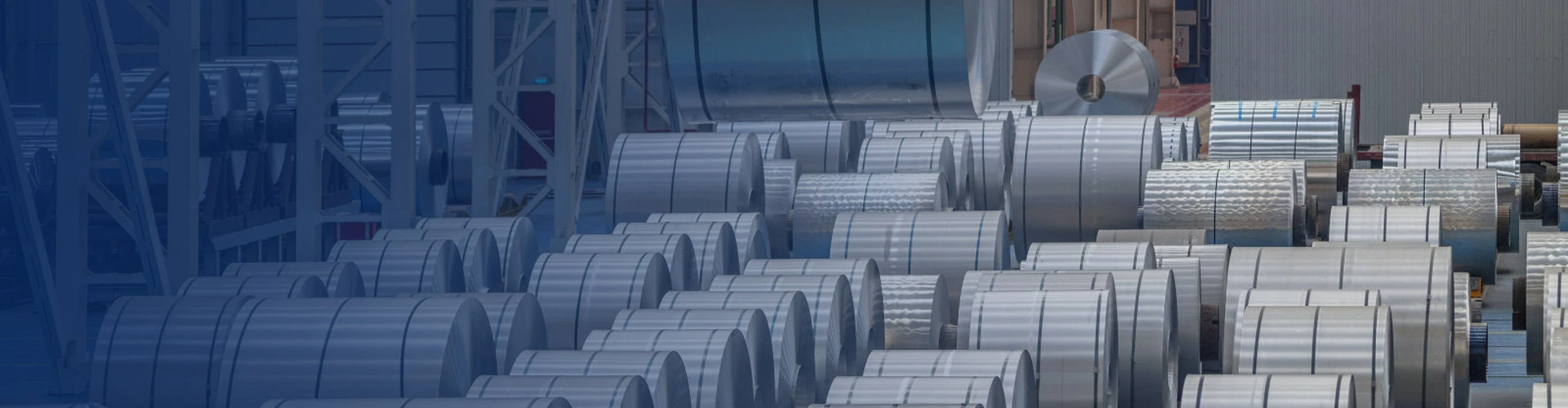
A steel plate is a flat sheet of steel with a thickness of 0.2 mm up to 300 mm or more. Plates thinner than 3 mm are sometimes classified as sheets, while plates above 3 mm are used in structural and heavy-duty applications. Steel plates are produced by passing heated slabs or ingots through rolling mills. The rolling process can be hot rolling or cold rolling, which affects surface finish, dimensional accuracy, and mechanical properties. At YS STEEL, we supply hot-rolled, cold-rolled, and normalized steel plates in a wide range of grades, sizes, and surface conditions. Our products are manufactured to meet strict international standards and are verified through third-party inspection before delivery.
Our steel plate product range covers carbon structural steel, low-alloy high-strength steel, boiler and pressure vessel steel, shipbuilding steel, wear-resistant steel, and stainless steel. The following list summarizes the main product parameters for quick reference:
| Product Type | Thickness Range | Width Range | Common Grades | Typical Standard |
|---|---|---|---|---|
| Carbon Structural Steel Plate | 0.2 mm – 300 mm | 600 mm – 4,800 mm | Q235B, Q345B, A36, SS400, S235JR, S275JR, S355JR | ASTM A36, A283, EN 10025, JIS G3101, GB/T 700 |
| Low-Alloy High-Strength Plate | 3 mm – 150 mm | 900 mm – 4,200 mm | Q355B, Q390B, Q420B, A572 Grade 50, S355JR, S420NL | ASTM A572, EN 10025-3, GB/T 1591 |
| Boiler and Pressure Vessel Plate | 6 mm – 200 mm | 1,000 mm – 4,500 mm | A516 Grade 60/65/70, Q245R, Q345R, P265GH, P355GH | ASTM A516, ASME SA516, EN 10028, GB/T 713 |
| Shipbuilding Steel Plate | 6 mm – 100 mm | 1,200 mm – 4,200 mm | AH32, AH36, DH32, DH36, EH36, FH36 | ABS, DNV, LR, BV, CCS, KR, NK, RINA, RS |
| Wear-Resistant Steel Plate | 6 mm – 100 mm | 1,000 mm – 3,500 mm | NM400, NM450, NM500, AR400, AR500, Hardox 400/500 equivalent | GB/T 24186, internal standards |
| Stainless Steel Plate | 0.3 mm – 100 mm | 1,000 mm – 3,000 mm | 304, 304L, 316, 316L, 321, 904L, 2205 duplex | ASTM A240, EN 10028-7, GB/T 4237 |
| Grade | Yield Strength (MPa) | Tensile Strength (MPa) | Elongation (%) | Impact Test |
|---|---|---|---|---|
| Q235B | ≥ 235 | 370 – 500 | ≥ 26 | 20°C, ≥ 27J |
| Q345B | ≥ 345 | 470 – 630 | ≥ 21 | 20°C, ≥ 34J |
| A36 | ≥ 250 | 400 – 550 | ≥ 20 | Not mandatory unless specified |
| A572 Grade 50 | ≥ 345 | ≥ 450 | ≥ 18 | Optional depending on requirement |
| S355JR | ≥ 355 | 470 – 630 | ≥ 22 | 20°C, ≥ 27J |
| AH36 | ≥ 355 | 490 – 620 | ≥ 21 | 0°C, ≥ 34J |
| A516 Grade 70 | ≥ 260 | 485 – 620 | ≥ 21 | -46°C, ≥ 27J optional |
| Grade | C (%) | Si (%) | Mn (%) | P (%) | S (%) | Other Elements |
|---|---|---|---|---|---|---|
| Q235B | ≤ 0.20 | ≤ 0.35 | 0.30 – 0.70 | ≤ 0.045 | ≤ 0.045 | N ≤ 0.012 |
| Q345B | ≤ 0.20 | ≤ 0.50 | ≤ 1.70 | ≤ 0.035 | ≤ 0.035 | Nb, V, Ti optional |
| A36 | ≤ 0.25 | ≤ 0.40 | 0.80 – 1.20 | ≤ 0.040 | ≤ 0.050 | Cu ≥ 0.20 if specified |
| S355JR | ≤ 0.24 | ≤ 0.55 | ≤ 1.60 | ≤ 0.035 | ≤ 0.035 | N ≤ 0.012 |
| A516 Grade 70 | ≤ 0.27 | 0.15 – 0.40 | 0.85 – 1.20 | ≤ 0.035 | ≤ 0.035 | Al, Nb, Ti may be added |
| AH36 | ≤ 0.18 | ≤ 0.50 | 0.90 – 1.60 | ≤ 0.035 | ≤ 0.035 | Nb, V, Al, Ti as per standard |
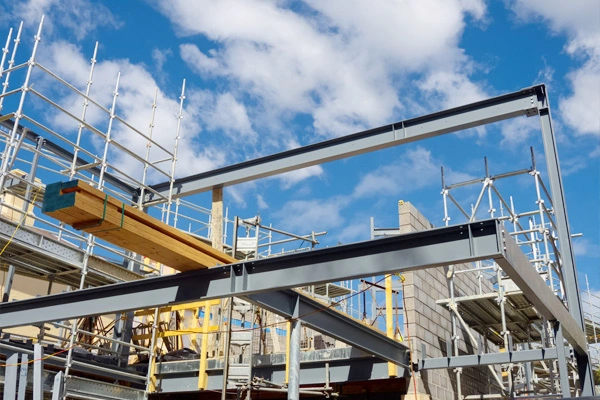
Steel plates are used in almost every heavy industry because they provide excellent load-bearing capacity and design flexibility. Common applications include:
Different applications require different steel plate properties. For structural construction, A36 and Q235B are cost-effective choices. For high-load structures, A572 Grade 50 and Q355B are preferred. For low-temperature service, A516 Grade 60/65/70 and normalized S355NL are suitable. For abrasive environments, NM400 or AR400 wear plates extend service life significantly. YS STEEL technical team can recommend the right grade based on working conditions, load type, temperature, and welding requirements.
YS STEEL has been supplying steel plates to global customers for more than 20 years. Our advantages include:
Our sales engineers understand international standards and can assist with material selection, theoretical weight calculation, and cost optimization. For large projects, we can arrange partial shipments according to construction schedule. For urgent orders, we reserve common sizes in stock to shorten lead time to 7–15 days.
Q: What is the difference between hot-rolled and cold-rolled steel plates?
A: Hot-rolled steel plates are formed at high temperatures above 1,700°F (about 930°C), which makes the steel easier to shape and allows for greater thickness. The surface has a rough, scaled finish and dimensional tolerances are wider. Cold-rolled steel plates are processed at room temperature after hot rolling and pickling. This process produces a smoother surface, tighter thickness tolerance, and higher strength due to work hardening, but cold-rolled plates are typically limited to thinner gauges up to about 6 mm. YS STEEL recommends hot-rolled plates for structural, shipbuilding, and pressure vessel uses, while cold-rolled plates are better for precision fabrication, automotive panels, and applications requiring a clean surface finish.
Q: How do I calculate the weight of a steel plate?
A: The theoretical weight of a steel plate can be calculated using the formula: Weight (kg) = Length (m) × Width (m) × Thickness (mm) × 7.85. The density of carbon steel is approximately 7.85 g/cm³. For example, a plate measuring 2 m × 1 m × 10 mm has a theoretical weight of 2 × 1 × 10 × 7.85 = 157 kg. For stainless steel, the density is about 7.93 g/cm³, so the formula uses 7.93 instead of 7.85. Actual weight may vary slightly due to rolling tolerance. YS STEEL conducts weighing and records actual weight on the packing list for each shipment.
Q: What steel plate grade is best for structural construction?
A: For general building structures, A36 and Q235B are the most commonly used grades because they combine adequate strength with excellent weldability and low cost. For high-rise buildings, long-span bridges, or heavily loaded frames, A572 Grade 50, Q345B, or S355JR are recommended because they offer higher yield strength, which can reduce plate thickness and overall structural weight. The exact grade should be selected based on design stress, connection type, seismic requirements, and ambient service temperature. YS STEEL technical team can help verify that the selected grade meets project specifications and local building codes.
Q: Can you supply steel plates with special dimensions or cut-to-size pieces?
A: Yes, YS STEEL provides cut-to-size, cut-to-length, and custom shape processing. We can supply plates in non-standard widths and lengths, and we can cut plates by plasma, laser, or flame cutting according to CAD drawings. Beveling, drilling, and welding preparation are also available. For precision components, we can hold dimensional tolerance within ±1 mm for cutting and ±0.5 mm for cold-rolled thickness. Custom processing reduces waste and downstream fabrication time. Please send your cutting plan or drawings to our sales team for a quotation.
Q: What is the lead time for steel plate orders?
A: Lead time depends on grade, thickness, quantity, and processing requirements. For common grades such as A36, Q235B, Q345B, SS400, and S355JR in standard sizes, we usually keep regular stock and can arrange shipment within 7–15 days after receiving deposit or L/C. For special grades or thick plates above 80 mm, production lead time is typically 20–35 days. Custom cutting and surface treatment may add 3–7 days. For urgent orders, YS STEEL can prioritize production and use air freight or faster ocean routes to reduce total delivery time. We provide a confirmed delivery schedule before order confirmation.
Q: What certifications and test reports do you provide with steel plates?
A: YS STEEL provides a mill test certificate per EN 10204 3.1 or 3.2 for each shipment. The certificate includes heat number, chemical composition, mechanical test results, dimensions, standard, and inspection stamp. For shipbuilding plates, classification society certificates from ABS, DNV, LR, BV, CCS, or other societies are available. For pressure vessel plates, we can provide additional ultrasonic testing reports according to ASTM A435 or A578. Third-party inspection by SGS, BV, TUV, or customer-nominated inspectors is also supported. All documents are issued in English or as required by the destination country.