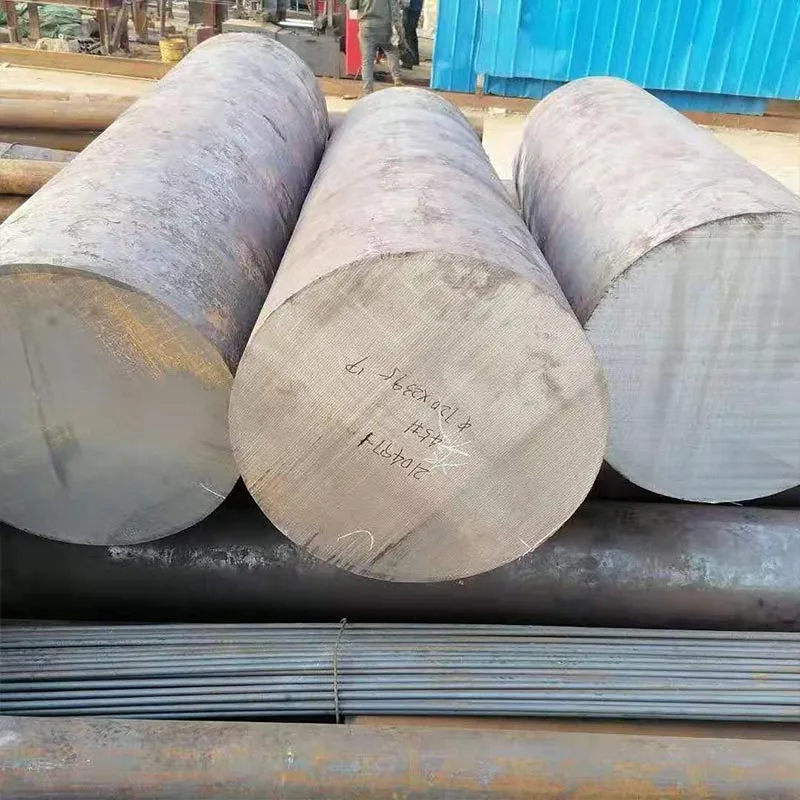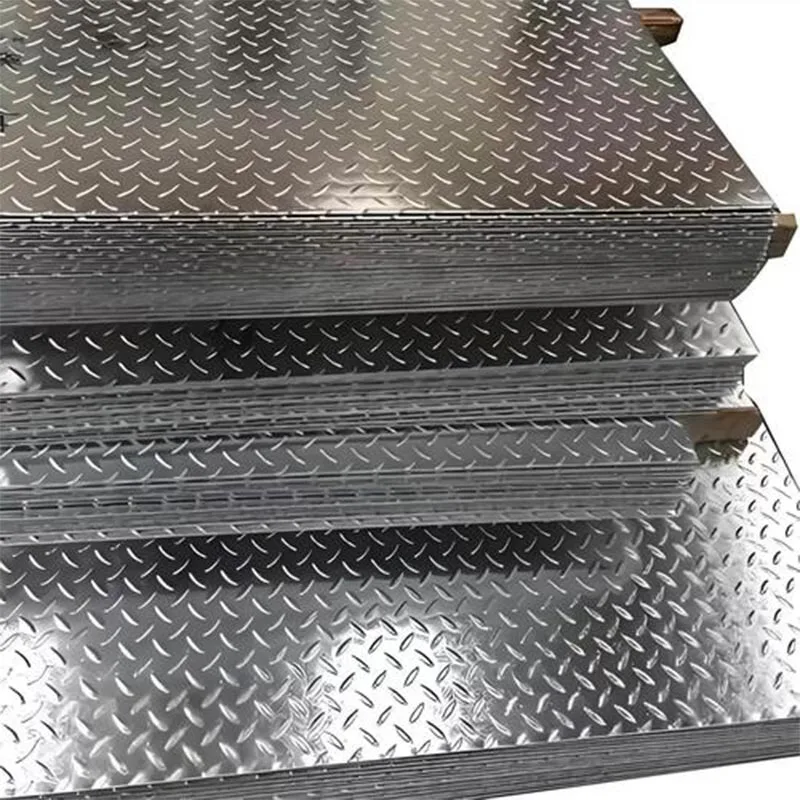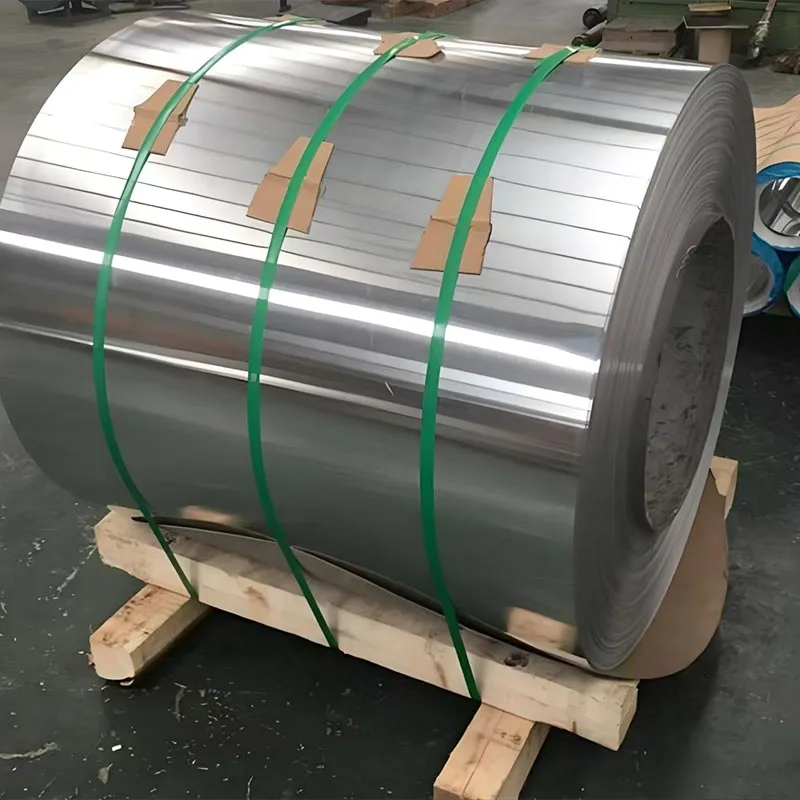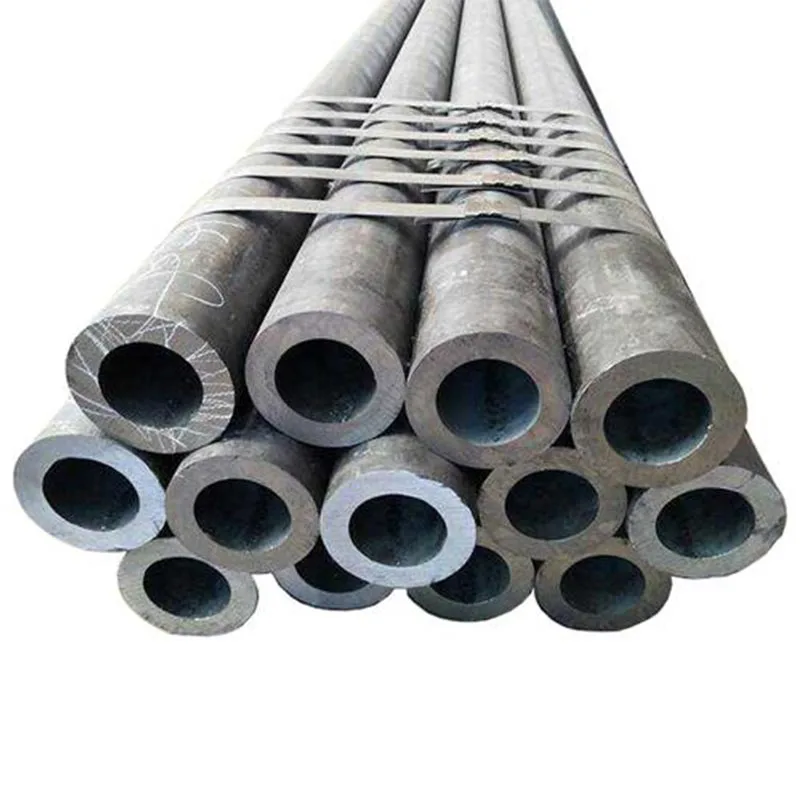
YS STEEL offers a broad dimensional range to accommodate different manufacturing requirements. The standard parameters are listed below.
YS STEEL supplies carbon steel round bars, alloy steel round bars, stainless steel round bars and tool steel round bars. The table below summarizes the chemical composition for some of the most commonly requested grades. All values are percentage by mass unless otherwise stated.
| Grade | Standard | C | Si | Mn | P max | S max | Cr | Ni | Mo | Others |
|---|---|---|---|---|---|---|---|---|---|---|
| AISI 1018 | ASTM A108 | 0.15–0.20 | 0.15–0.35 | 0.60–0.90 | 0.040 | 0.050 | — | — | — | — |
| AISI 1045 | ASTM A29 | 0.43–0.50 | 0.15–0.35 | 0.60–0.90 | 0.040 | 0.050 | — | — | — | — |
| SAE 4140 | ASTM A29/A304 | 0.38–0.43 | 0.15–0.35 | 0.75–1.00 | 0.035 | 0.040 | 0.80–1.10 | — | 0.15–0.25 | — |
| SAE 4340 | ASTM A29 | 0.38–0.43 | 0.15–0.35 | 0.60–0.80 | 0.035 | 0.040 | 0.70–0.90 | 1.65–2.00 | 0.20–0.30 | — |
| AISI 304 | ASTM A276 | 0.08 max | 1.00 max | 2.00 max | 0.045 | 0.030 | 18.0–20.0 | 8.0–10.5 | — | N 0.10 max |
| AISI 316L | ASTM A276 | 0.03 max | 1.00 max | 2.00 max | 0.045 | 0.030 | 16.0–18.0 | 10.0–14.0 | 2.00–3.00 | N 0.10 max |
| D2 Tool Steel | ASTM A681 | 1.40–1.60 | 0.10–0.60 | 0.20–0.60 | 0.030 | 0.030 | 11.0–13.0 | 0.30 max | 0.70–1.20 | V 0.50–1.10 |
Mechanical properties vary depending on the grade, heat treatment condition and diameter. The following table indicates typical mechanical properties for common steel round bar grades in hot rolled, cold drawn, or quenched and tempered condition. Actual values should be confirmed with the material certificate supplied by YS STEEL for each production lot.
| Grade | Condition | Tensile Strength (MPa) | Yield Strength (MPa) | Elongation (%) | Reduction of Area (%) | Hardness (HB) |
|---|---|---|---|---|---|---|
| AISI 1018 | Cold drawn | 440–600 | 370–500 | 15–20 | 40–50 | 126–163 |
| AISI 1045 | Hot rolled | 570–700 | 310–400 | 16–20 | 40–45 | 163–201 |
| SAE 4140 | Quenched and tempered | 850–1100 | 650–950 | 12–17 | 45–55 | 250–320 |
| SAE 4340 | Quenched and tempered | 900–1200 | 700–1050 | 10–15 | 40–50 | 270–340 |
| AISI 304 | Solution annealed | 515–750 | 205–300 | 35–50 | 50–70 | ≤ 200 |
| AISI 316L | Solution annealed | 485–680 | 170–300 | 35–50 | 50–70 | ≤ 200 |
| D2 Tool Steel | Annealed | ≤ 700 | ≤ 450 | 10–15 | 30–40 | 207–237 |
Dimensional accuracy is critical for machining efficiency and assembly consistency. YS STEEL supplies steel round bar according to internationally recognized tolerance standards. The table below lists typical diameter tolerances for cold drawn and bright drawn bars based on EN 10278 and ISO h8 to h11 classes. For hot rolled bars, tolerances follow EN 10060 or ASTM A29/A29M, and for ground or polished bars, stricter tolerances up to h6 are available on request.
| Nominal Diameter (mm) | h8 Tolerance (mm) | h9 Tolerance (mm) | h10 Tolerance (mm) | h11 Tolerance (mm) | Straightness Deviation (mm/m) |
|---|---|---|---|---|---|
| 6 – 10 | 0 / -0.022 | 0 / -0.036 | 0 / -0.058 | 0 / -0.090 | ≤ 0.3 |
| 10 – 18 | 0 / -0.027 | 0 / -0.043 | 0 / -0.070 | 0 / -0.110 | ≤ 0.3 |
| 18 – 30 | 0 / -0.033 | 0 / -0.052 | 0 / -0.084 | 0 / -0.130 | ≤ 0.4 |
| 30 – 50 | 0 / -0.039 | 0 / -0.062 | 0 / -0.100 | 0 / -0.160 | ≤ 0.4 |
| 50 – 80 | 0 / -0.046 | 0 / -0.074 | 0 / -0.120 | 0 / -0.190 | ≤ 0.5 |
| 80 – 120 | 0 / -0.054 | 0 / -0.087 | 0 / -0.140 | 0 / -0.220 | ≤ 0.5 |
YS STEEL provides steel round bar in multiple surface finishes to match downstream processing requirements. The surface condition directly influences machining allowance, appearance, corrosion resistance and subsequent surface treatments.
Heat treatment conditions available include annealed, normalized, spheroidized annealed, quenched and tempered, solution annealed, and stress relieved. The correct condition depends on the steel grade, required hardness, machinability and final component performance. YS STEEL can advise on the most appropriate condition for specific applications.
YS STEEL controls the full production chain for steel round bar, starting from qualified steel mills and billet inspection. The manufacturing route depends on the final size, grade and required properties. Hot rolling is used for larger diameters and standard grades. Cold drawing is used for smaller diameters where tight tolerances and improved surface finish are required. Forged round bars are produced for large diameters or for components that require superior internal soundness and mechanical uniformity. After forming, the bars may undergo heat treatment, straightening, ultrasonic testing, eddy current testing, surface finishing, and final inspection before packaging.
Every production lot of steel round bar supplied by YS STEEL is accompanied by a mill test certificate according to EN 10204 3.1 or 3.2. The quality control process includes the following inspections and tests.
Steel round bar is a versatile engineering material used across many industries. The selection of grade, heat treatment and surface condition depends on the operating environment, load conditions and required service life.
Q: What grades of steel round bar are suitable for heat treatment and quenching?
A: Medium carbon steels such as AISI 1045 and alloy steels such as SAE 4140, SAE 4340, 42CrMo4 and 34CrNiMo6 are widely used for quenched and tempered steel round bar components. These grades respond well to hardening and tempering, achieving a good combination of strength, toughness and wear resistance. Low carbon steels like AISI 1018 are not recommended for through hardening because their carbon content is too low, but they can be case hardened by carburizing or carbonitriding. Tool steels such as D2, O1 and H13 are also supplied as annealed round bars for subsequent hardening and tempering by the toolmaker. YS STEEL supplies pre-hardened and quenched and tempered bars with hardness values up to 40 HRC or higher depending on grade and section size.
Q: How do I choose the correct diameter tolerance for steel round bar?
A: The correct diameter tolerance depends on the manufacturing process, machining allowance and final component requirements. Cold drawn bars are typically supplied with ISO h9 or h10 tolerance, while ground bars can achieve h6 or h7. For turned or peeled bars, h11 or k12 tolerances are common. If the bar will be machined all over, a wider tolerance such as h11 may be acceptable and more cost-effective. If the bar will be used directly without machining, a tighter tolerance such as h8 or h9 should be selected. YS STEEL technical sales staff can review your drawings and recommend the most suitable tolerance class and surface finish.
Q: What is the standard length of steel round bar supplied by YS STEEL?
A: Standard commercial lengths range from 4,000 mm to 6,000 mm for many grades, but YS STEEL can supply fixed lengths from 2,000 mm to 12,000 mm depending on diameter, grade and production method. Random length bundles are also available for some hot rolled products. For export orders, length tolerance and end condition should be specified in the purchase order. Common end conditions are plain saw-cut ends or chamfered ends. Custom cut-to-length service is available to reduce waste and improve material utilization at the customer's plant.
Q: Can steel round bar be supplied in stainless steel grades for corrosive environments?
A: Yes, YS STEEL supplies stainless steel round bar in austenitic grades such as AISI 304, 304L, 316, 316L, 310S, 321 and 347, as well as martensitic grades such as 410, 420 and 431, and duplex grades such as 2205 and 2507. Austenitic and duplex grades offer excellent corrosion resistance and are used in chemical processing, marine, food and beverage, pharmaceutical, and oil and gas applications. Martensitic stainless grades can be hardened by heat treatment and are used for shafts, valves, fasteners and pump components. Stainless steel bars are typically supplied in the solution annealed or annealed condition with a bright, peeled or ground surface.
Q: What testing and certification documents are provided with steel round bar orders?
A: Each shipment from YS STEEL includes a mill test certificate according to EN 10204 3.1 as standard. The certificate contains chemical composition, mechanical properties, heat number, production standard, dimensions, surface condition and test results. For critical applications, EN 10204 3.2 certification with third-party inspection can be arranged. Additional testing such as ultrasonic testing, eddy current testing, impact testing, and positive material identification can be performed and documented. YS STEEL also supports customer audits and can provide material traceability from billet to finished bar.