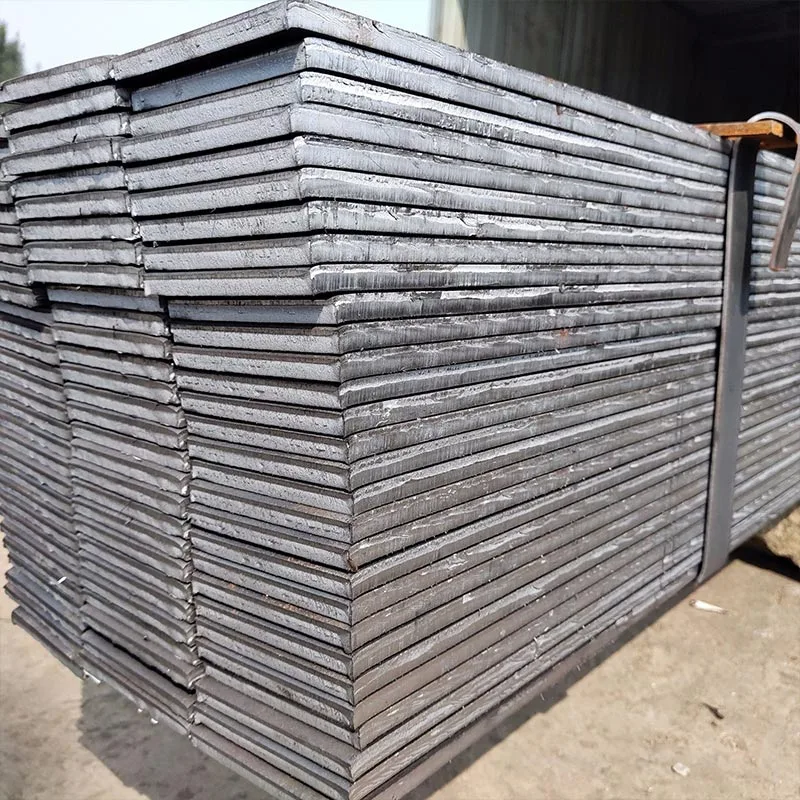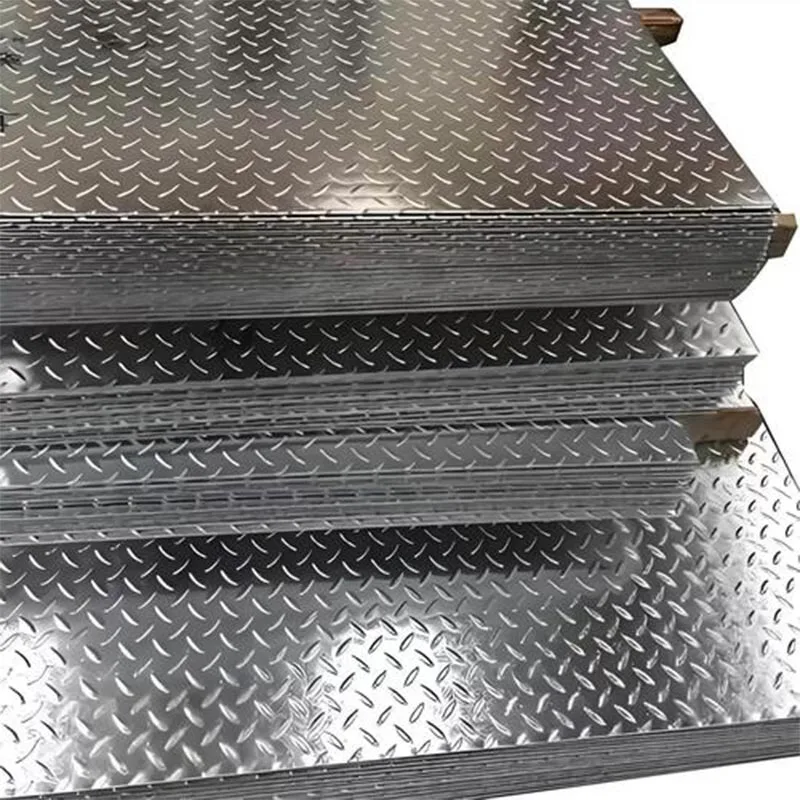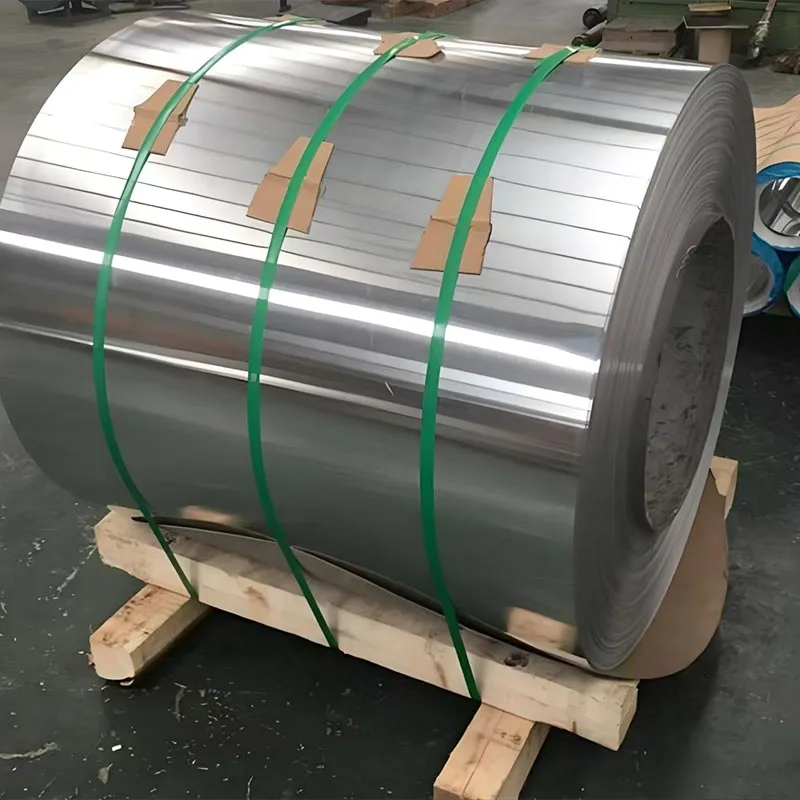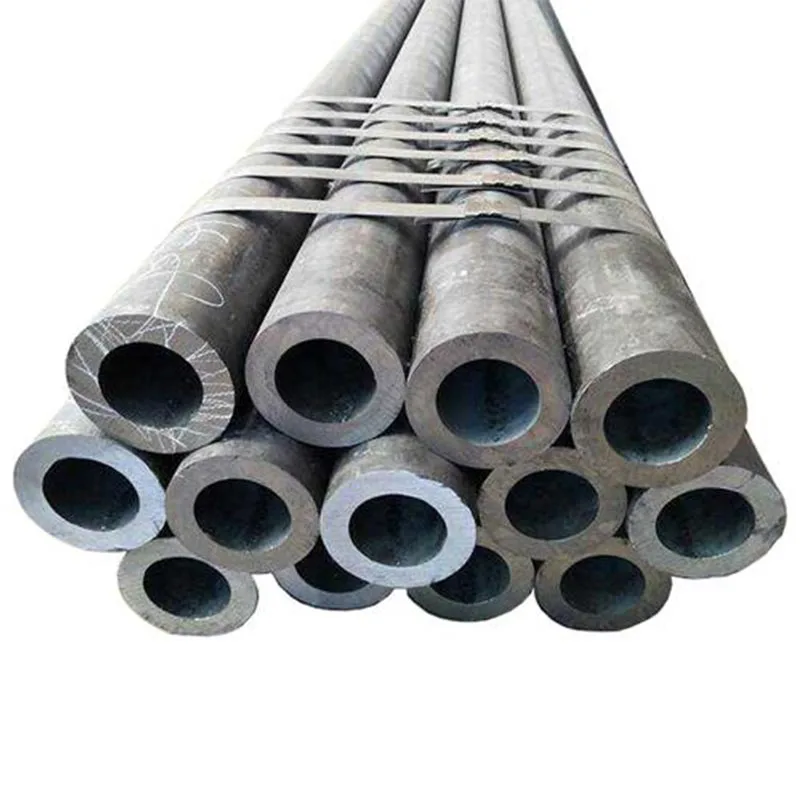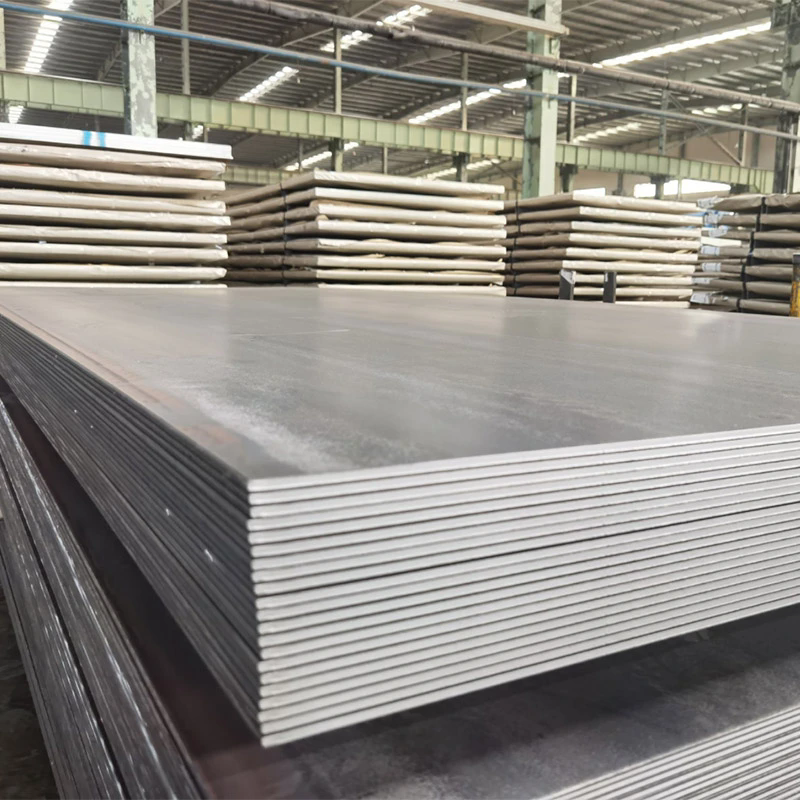
Flat steel bar is defined by three primary dimensions: thickness, width, and length. YS STEEL maintains a comprehensive inventory of standard sizes as well as the ability to produce custom dimensions. The following list outlines the key product parameters that buyers should consider when specifying flat steel bar:
The table below lists some of the most common flat steel bar sizes available from YS STEEL. These dimensions represent in-stock items, and additional sizes can be produced through mill rolling or cutting operations.
| Thickness (inch) | Width (inch) | Length (feet) | Weight per Foot (lbs) | Common Grade |
|---|---|---|---|---|
| 1/8 | 1/2 | 20 | 0.213 | A36, 1018 |
| 3/16 | 3/4 | 20 | 0.478 | A36, 1018 |
| 1/4 | 1 | 20 | 0.850 | A36, 1018 |
| 3/8 | 1-1/2 | 20 | 1.913 | A36, A572 Gr50 |
| 1/2 | 2 | 20 | 3.400 | A36, A572 Gr50 |
| 5/8 | 2-1/2 | 20 | 5.313 | A36, A572 Gr50 |
| 3/4 | 3 | 20 | 7.650 | A36, A572 Gr50 |
| 1 | 4 | 20 | 13.600 | A36, A572 Gr50 |
| 1-1/4 | 5 | 20 | 21.250 | A36, A572 Gr50 |
| 1-1/2 | 6 | 20 | 30.600 | A36, A572 Gr50 |
| 2 | 8 | 20 | 54.400 | A36, A572 Gr50 |
Weight per foot is calculated using the formula: width (inches) × thickness (inches) × 3.4 for carbon steel. This formula is widely used in the steel distribution industry and provides a reliable estimate for material planning. For stainless steel flat bar, the density factor is slightly higher, so the weight per foot is approximately 3.5 times the cross-sectional area in square inches. YS STEEL can provide detailed weight charts and material certifications for every order.
Selecting the right material grade is critical for ensuring that flat steel bar performs as expected in service. Different grades offer varying combinations of strength, ductility, weldability, machinability, and corrosion resistance. YS STEEL stocks and supplies carbon steel, alloy steel, and stainless steel flat bar to cover a wide range of industrial requirements. The chemical composition of each grade directly influences its mechanical properties and suitability for specific applications.
The table below presents the typical chemical composition for some of the most commonly ordered flat steel bar grades. These values are based on standard specifications and are provided for reference. Full mill test reports are available upon request.
| Grade | Carbon (C) % | Manganese (Mn) % | Phosphorus (P) % max | Sulfur (S) % max | Silicon (Si) % | Other Elements |
|---|---|---|---|---|---|---|
| A36 | 0.26 max | 0.80–1.20 | 0.040 | 0.050 | 0.15–0.40 | — |
| 1018 | 0.15–0.20 | 0.60–0.90 | 0.040 | 0.050 | 0.15–0.40 | — |
| 1045 | 0.43–0.50 | 0.60–0.90 | 0.040 | 0.050 | 0.15–0.40 | — |
| A572 Gr50 | 0.23 max | 1.35 max | 0.040 | 0.050 | 0.15–0.40 | V, Cb, Ti may be added |
| 4140 | 0.38–0.43 | 0.75–1.00 | 0.035 | 0.040 | 0.15–0.35 | Cr 0.80–1.10, Mo 0.15–0.25 |
| 304 Stainless | 0.08 max | 2.00 max | 0.045 | 0.030 | 1.00 max | Cr 18.0–20.0, Ni 8.0–10.5 |
| 316 Stainless | 0.08 max | 2.00 max | 0.045 | 0.030 | 1.00 max | Cr 16.0–18.0, Ni 10.0–14.0, Mo 2.0–3.0 |
Mechanical properties such as yield strength, tensile strength, and elongation are equally important when specifying flat steel bar. A36 is the most widely used structural grade due to its good balance of strength and weldability, with a minimum yield strength of 36 ksi and tensile strength ranging from 58 to 80 ksi. 1018 offers superior machinability and a finer surface finish, making it a preferred choice for precision parts. A572 Gr50 provides higher strength, with a minimum yield strength of 50 ksi, which allows designers to reduce material thickness without sacrificing load capacity. YS STEEL helps customers match the right grade to their performance requirements and budget.
Understanding the mechanical properties of flat steel bar is essential for engineers and fabricators who must ensure structural integrity and safety. The following table summarizes typical mechanical properties for the most common grades supplied by YS STEEL. These values reflect minimum requirements according to applicable ASTM or AISI standards and are verified through routine tensile testing.
| Grade | Yield Strength (ksi) | Tensile Strength (ksi) | Elongation in 2 in (%) | Hardness (HB) |
|---|---|---|---|---|
| A36 | 36 min | 58–80 | 20 min | — |
| 1018 | 54 min | 64 min | 15 min | 126–192 |
| 1045 | 60 min | 90 min | 12 min | 179–229 |
| A572 Gr50 | 50 min | 65 min | 18 min | — |
| 4140 | 60–95 (depending on heat treatment) | 90–130 | 10–18 | 197–241 |
| 304 Stainless | 30 min | 75 min | 40 min | — |
| 316 Stainless | 30 min | 75 min | 40 min | — |
These mechanical properties make flat steel bar suitable for a wide variety of load-bearing and non-load-bearing applications. For structural components that require welding, A36 and A572 Gr50 are often preferred because of their excellent weldability and predictable behavior under stress. For machined parts that require tight tolerances and good surface finish, 1018 and 1045 are common choices. YS STEEL provides material certifications and test reports with each shipment so that customers can confidently use the material in regulated and high-performance environments.
Dimensional accuracy is a critical quality characteristic for flat steel bar. Tolerances define the allowable variation in thickness, width, and straightness, and they ensure that the product will fit correctly with other components during fabrication. YS STEEL adheres to internationally recognized standards such as ASTM A6, ASTM A276, and EN 10058 for dimensional tolerances.
The table below provides typical dimensional tolerance guidelines for hot-rolled carbon steel flat bars produced to ASTM A6. These values may vary depending on the specific product specification and rolling mill, so customers should confirm exact tolerances with YS STEEL sales representatives when placing an order.
| Width (inches) | Width Tolerance (inches) | Thickness Tolerance for 1/8 to 1/2 in thick (inches) | Thickness Tolerance for 1/2 to 1 in thick (inches) |
|---|---|---|---|
| Up to 1 | ±1/32 | ±0.006 | ±0.008 |
| Over 1 to 2 | ±1/32 | ±0.008 | ±0.010 |
| Over 2 to 4 | ±1/16 | ±0.010 | ±0.012 |
| Over 4 to 6 | ±3/32 | ±0.012 | ±0.015 |
| Over 6 to 8 | ±1/8 | ±0.015 | ±0.020 |
| Over 8 to 12 | ±1/8 | ±0.020 | ±0.025 |
Straightness is another important parameter. Flat steel bar should be straight enough to allow easy fit-up and welding without excessive force. The standard straightness tolerance for hot-rolled flat bars is typically 1/8 inch of deviation per 5 feet of length, measured on the flat side. Cold-rolled flat steel bar can be held to tighter straightness tolerances, often 1/16 inch per 5 feet or better. YS STEEL can perform straightening, cutting, and edge conditioning to meet more demanding requirements. For applications that require precise straightness, such as machine ways, guide rails, and alignment bars, cold-rolled or machined flat steel bar is recommended.
Flat steel bar has a wide range of applications across many industries because of its simple geometry, ease of processing, and excellent load-bearing capacity. Some of the most common uses include:
The versatility of flat steel bar means that it can be adapted to many other specialized applications. YS STEEL works with customers in oil and gas, power generation, shipbuilding, and general manufacturing to provide material that meets demanding specifications. Because flat steel bar can be easily cut, drilled, welded, and formed, it remains a go-to product for engineers and maintenance teams.
YS STEEL is committed to supplying flat steel bar that meets or exceeds the standards required by global industries. The company sources material from ISO 9001 certified mills and performs rigorous quality inspections before shipment. Depending on the grade and application, flat steel bar may be produced to the following standards:
Quality control at YS STEEL includes checking dimensional accuracy, surface condition, chemical composition, and mechanical properties. Material is inspected for straightness, edge quality, and freedom from surface defects such as cracks, laps, and seams. Mill test reports are provided with each shipment, and third-party inspection services are available upon request. The company also maintains traceability for every heat number, ensuring that customers can track the material back to its original production batch. This level of control makes YS STEEL a reliable partner for projects that require documented quality assurance.
Hot-rolled flat steel bar is formed at high temperatures above the recrystallization point of steel, typically over 1,700°F. This process makes the steel easier to shape and allows the production of larger cross-sections. The resulting product has a dark, rough surface with mill scale and slightly rounded edges. Dimensional tolerances are somewhat looser compared to cold-rolled products. Cold-rolled flat steel bar starts as hot-rolled material that is further processed at room temperature through rollers to improve surface finish, dimensional accuracy, and mechanical properties. Cold-rolled flat steel bar is stronger, harder, and has a bright, smooth finish, but it is generally limited to thinner and narrower sizes. For structural work where surface finish is not critical, hot-rolled is more economical. For precision machining or appearance-sensitive applications, cold-rolled is the better choice. YS STEEL offers both options and can advise customers on the best product for their specific needs.
YS STEEL supplies a comprehensive range of carbon steel, alloy steel, and stainless steel flat bar grades. Carbon steel grades include A36, 1018, 1045, A572 Grade 50, A588 weathering steel, and 4140 alloy steel. Stainless steel grades include 304, 304L, 316, and 316L. Each grade has unique properties. A36 is the most common structural grade, offering good weldability and moderate strength. 1018 is favored for machining because of its excellent machinability and surface finish after cold finishing. 1045 provides higher strength and wear resistance, making it suitable for shafts and wear parts. A572 Grade 50 offers 50 ksi minimum yield strength, allowing weight reduction in structural designs. 4140 is a versatile alloy steel that can be heat treated to achieve high strength and toughness. Stainless grades 304 and 316 provide corrosion resistance for chemical, food, and marine environments. YS STEEL can also source other grades on request.
Yes, custom cutting is one of the core services provided by YS STEEL. The company operates multiple sawing and cutting lines capable of producing flat steel bar in lengths from a few inches up to 60 feet, depending on the cross-section and grade. Cutting methods include cold sawing, band sawing, and shearing. Cold sawing provides a square, burr-free cut with tight length tolerances, making it ideal for precision applications and automated welding. Band sawing is versatile and economical for larger cross-sections and high-volume orders. Shearing is available for thinner flat bars where a slight edge deformation is acceptable. YS STEEL can hold length tolerances as tight as ±1/32 inch for saw-cut pieces. Custom lengths reduce waste and save time for end users, as the material arrives ready to use without additional processing.
Dimensional tolerances for flat steel bar are defined by standards such as ASTM A6/A6M for hot-rolled carbon steel products and ASTM A276 for stainless steel. For hot-rolled carbon steel flat bars, width tolerance typically ranges from ±1/32 inch for widths up to 1 inch to ±1/8 inch for widths over 8 inches. Thickness tolerance varies with both thickness and width; for example, a 1/4 inch thick bar up to 2 inches wide may have a thickness tolerance of ±0.008 inch, while a 1/2 inch thick bar over 6 inches wide may have a tolerance of ±0.015 inch. Cold-rolled flat steel bar generally has tighter tolerances, often in the range of ±0.002 to ±0.005 inch for thickness and ±0.005 to ±0.010 inch for width. Straightness tolerance is commonly 1/8 inch per 5 feet for hot-rolled bars and 1/16 inch per 5 feet for cold-rolled bars. YS STEEL can provide exact tolerance tables and works with customers to meet tighter requirements through additional processing.
Yes, YS STEEL offers a variety of surface treatment services to enhance the performance and appearance of flat steel bar. Hot-dip galvanizing is one of the most requested treatments, providing a thick zinc coating that protects against corrosion in outdoor, marine, and industrial environments. The galvanizing process involves cleaning the steel, fluxing, and immersion in a bath of molten zinc at approximately 850°F. The resulting coating bonds metallurgically to the steel surface and offers long-term protection. YS STEEL also provides pickling and oiling, which removes mill scale and applies a light rust preventive oil. For customers who require a painted surface, YS STEEL can arrange priming, powder coating, or wet painting in a range of colors. Stainless steel flat bar can be supplied with a polished finish, including #4 brush finish or mirror finish, for architectural and food-grade applications. All surface treatments are performed by qualified vendors, and YS STEEL coordinates the entire process to ensure quality and on-time delivery.