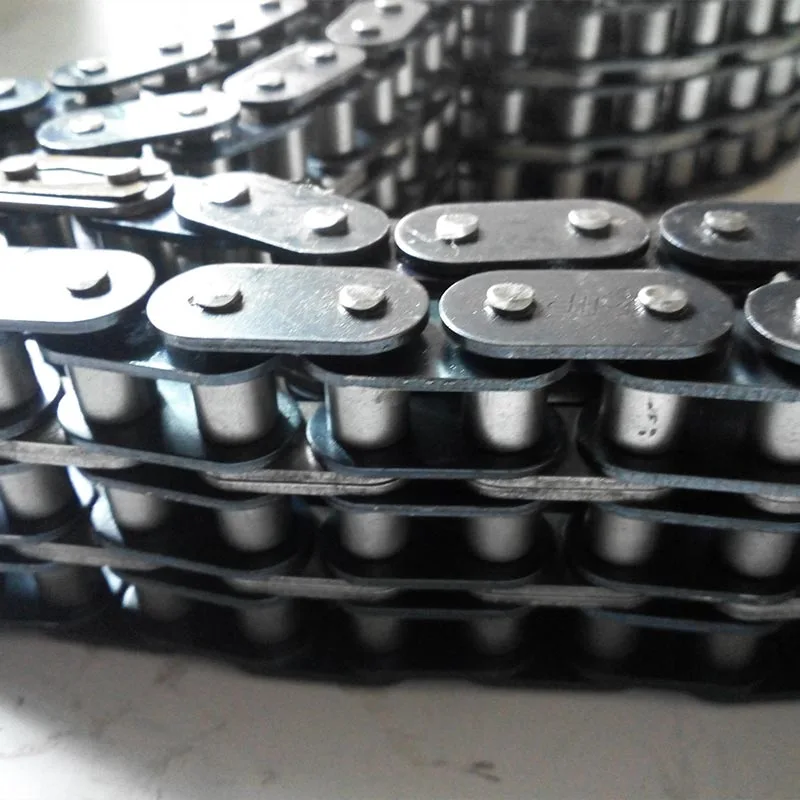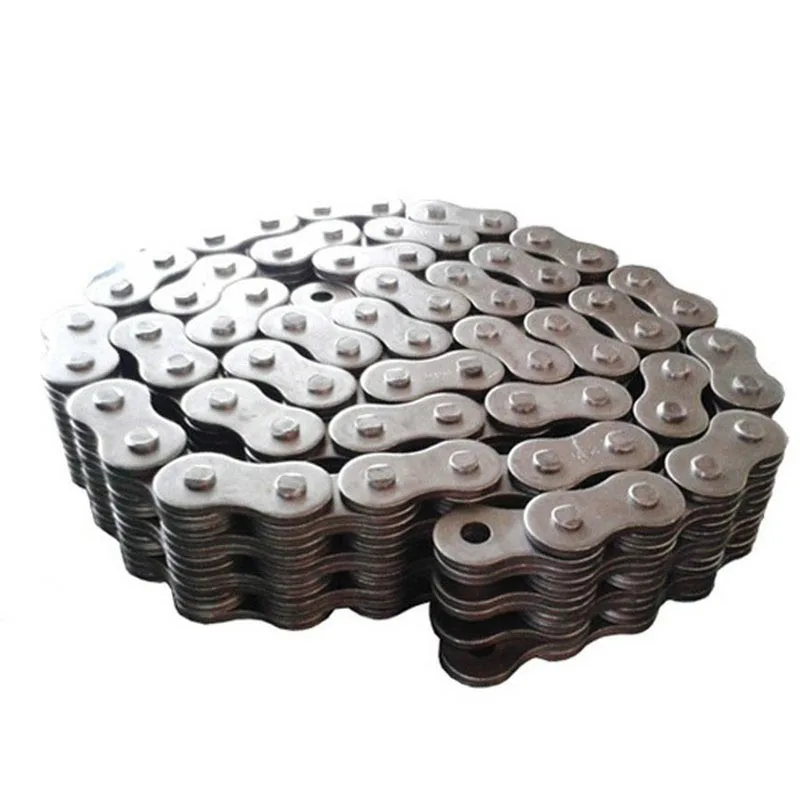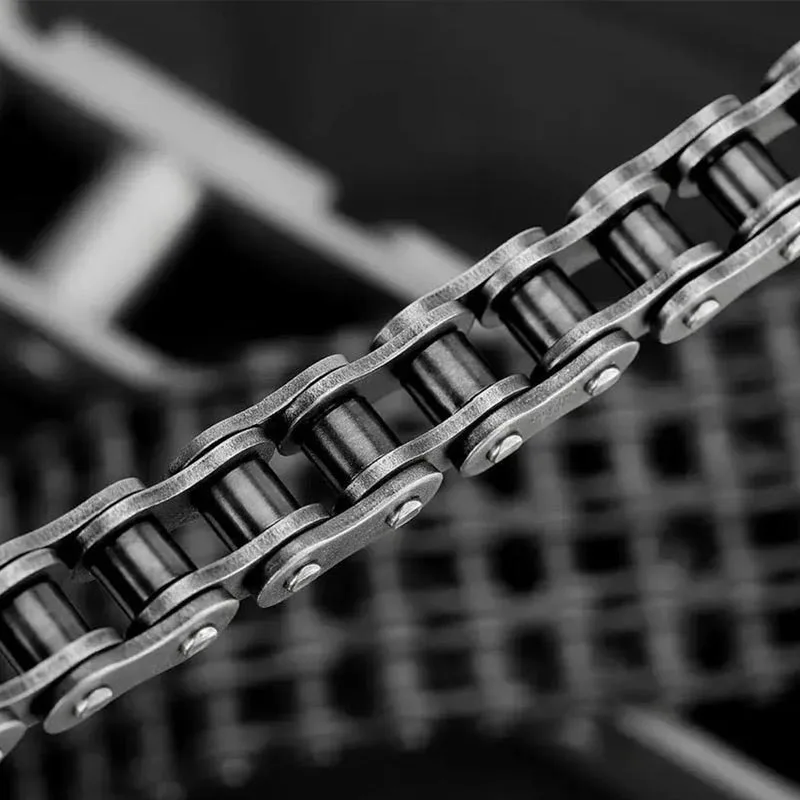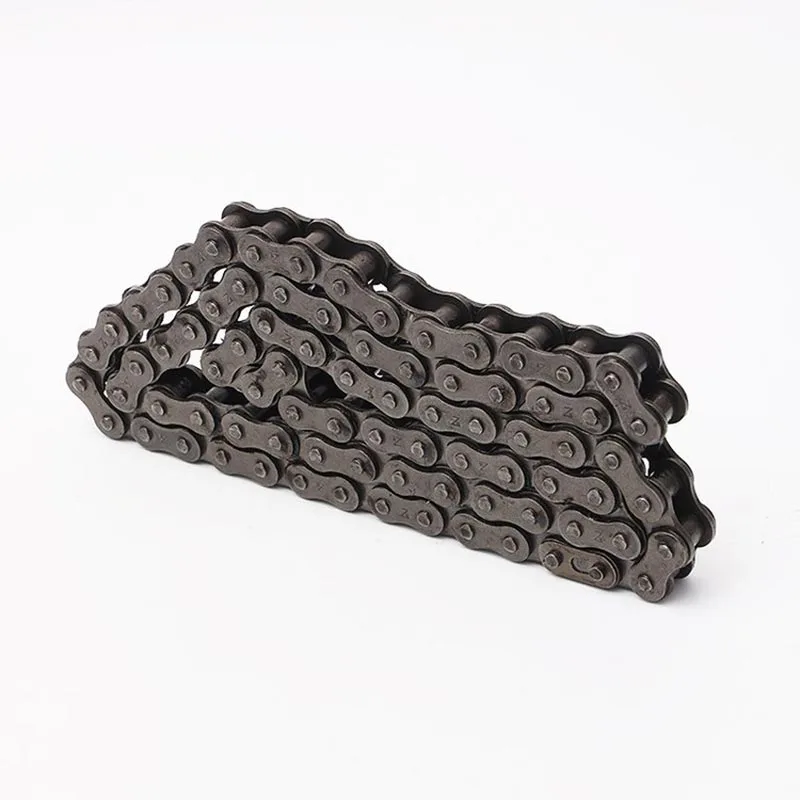
Transmission Machinery Parts refer to the core components used in gearboxes, powertrains, drive shafts, and motion control systems. They include gears, shafts, bearings, couplings, sprockets, chain wheels, synchronizer hubs, spline shafts, universal joints, and related precision-machined elements. These parts must work together to deliver smooth torque conversion, accurate speed ratios, low backlash, and high fatigue resistance.
YS STEEL produces these components using advanced CNC machining, gear hobbing, grinding, heat treatment, and surface finishing processes. Every part is manufactured to international standards such as ISO 1328 for gear accuracy, DIN 3962 for tooth profile tolerances, and AGMA 2001 for gear rating. The result is a product line that performs reliably in high-load, high-speed, and high-temperature environments.
The following tables summarize the main technical parameters that guide material selection, machining tolerances, surface treatment options, and mechanical performance for Transmission Machinery Parts supplied by YS STEEL. These values are based on standard production capabilities; custom specifications can be provided upon request.
Material choice directly affects load capacity, wear resistance, impact strength, and corrosion resistance. YS STEEL works with a wide range of steels and alloys to match specific operating conditions.
| Material Grade | Tensile Strength (MPa) | Yield Strength (MPa) | Hardness After Heat Treatment | Typical Transmission Machinery Parts |
|---|---|---|---|---|
| 20CrMnTi | ≥1080 | ≥835 | HRC 58-62 (case hardened) | Gears, synchronizer rings, pinions |
| 42CrMo | ≥980 | ≥785 | HRC 28-32 (quenched and tempered) | Shafts, couplings, flanges |
| 40Cr | ≥900 | ≥700 | HRC 48-55 (induction hardened) | Spline shafts, sprockets, wheel hubs |
| 45# Steel | ≥600 | ≥355 | HRC 20-25 (normalized) | Low-load shafts, spacers, bearing housings |
| 20CrNiMo | ≥1100 | ≥850 | HRC 58-62 (carburized) | Heavy-duty gears, axle shafts |
| AISI 8620 | ≥980 | ≥735 | HRC 58-62 (case hardened) | Transmission gears, differential parts |
| AISI 4140 | ≥1000 | ≥800 | HRC 30-36 (quenched and tempered) | Drive shafts, coupling hubs |
| 17-4PH Stainless | ≥1310 | ≥1180 | HRC 40-47 (age hardened) | Marine transmission parts, food-grade drive components |
Precision is critical for reducing vibration, noise, and premature wear in power transmission systems. YS STEEL maintains tight tolerances across all part families.
| Part Type | Inner Diameter Tolerance | Outer Diameter Tolerance | Tooth Profile Accuracy | Surface Roughness (Ra) |
|---|---|---|---|---|
| Gears | H7 | h6 | DIN 6-8 | 0.8-1.6 μm |
| Shafts | — | h6 | — | 0.4-0.8 μm |
| Couplings | H7 | h6 | — | 0.8-1.6 μm |
| Sprockets | H8 | h6 | ANSI B29.1 | 1.6-3.2 μm |
| Bearing Housings | K7 | js6 | — | 0.8-1.6 μm |
| Spline Shafts | — | h6 | DIN 5480 | 0.8-1.0 μm |
All dimensions are verified using coordinate measuring machines (CMM), profile projectors, and gear measuring centers. Roundness, cylindricity, and runout are controlled within 0.01-0.03 mm depending on part size and application.
Surface treatments enhance fatigue strength, corrosion resistance, and friction behavior. YS STEEL offers multiple finishing processes that can be combined to achieve the desired performance.
| Treatment Type | Case Depth (mm) | Surface Hardness | Main Benefit | Common Use |
|---|---|---|---|---|
| Carburizing | 0.8-2.0 | HRC 58-62 | High surface hardness with tough core | Heavy-duty gears, shafts |
| Nitriding | 0.3-0.5 | HV 800-1100 | Excellent wear and scuffing resistance | Precision gears, splines |
| Induction Hardening | 1.5-4.0 | HRC 50-55 | Selective hardening with minimal distortion | Shafts, sprockets, bearing journals |
| Black Oxide | — | — | Mild corrosion protection, aesthetic finish | General hardware, couplings |
| Zinc Plating | — | — | Sacrificial corrosion protection | Fasteners, exposed linkages |
| Shot Peening | — | — | Improves fatigue life by compressive stress | Gears, shafts under cyclic loads |
The following table lists typical performance data for standard YS STEEL Transmission Machinery Parts. Actual values depend on geometry, material, and lubrication conditions.
| Parameter | Range | Notes |
|---|---|---|
| Module (gears) | 0.5-40 | Custom modules available up to 60 |
| Maximum Gear Diameter | 2000 mm | Up to 3000 mm for special orders |
| Maximum Shaft Length | 3000 mm | Supported by CNC turning and grinding centers |
| Maximum Torque Capacity | Up to 500,000 Nm | Depends on material and heat treatment |
| Maximum Rotational Speed | Up to 15,000 rpm | Requires dynamic balancing for high speed |
| Operating Temperature Range | -40°C to +200°C | Special alloys available for higher temperatures |
| Gear Backlash | 0.005-0.15 mm | Based on AGMA class and gear size |
| Transmission Efficiency | 97-99.5% | For properly lubricated gear pairs |
| Noise Level | ≤75 dB(A) | Measured at 1 m under rated load |
YS STEEL combines metallurgical expertise with precision machining to produce Transmission Machinery Parts that outperform generic alternatives in demanding applications. The key advantages include:
Transmission Machinery Parts from YS STEEL are used across a broad spectrum of industries where power density, reliability, and long service life are essential.
Every Transmission Machinery Parts order follows a strict manufacturing workflow to ensure repeatability and compliance with customer requirements. The process begins with raw material inspection, where steel bars or forgings are checked for chemical composition and internal defects using spectrometers and ultrasonic testing.
Next, CNC turning, milling, and gear hobbing operations shape the components. For gears requiring high accuracy, gear grinding or honing is performed after heat treatment. Heat treatment cycles such as carburizing, quenching, tempering, or nitriding are precisely controlled to achieve the specified hardness profile. After heat treatment, parts undergo dimensional inspection, surface roughness measurement, and hardness testing.
Functional testing includes gear contact pattern verification, backlash measurement, and dynamic balancing for high-speed rotating parts. Final inspection reports are provided with each shipment, documenting all critical dimensions and material certificates.
Q: What are the most common types of Transmission Machinery Parts used in an industrial gearbox?
A: The most common types include gears with involute tooth profiles, gear shafts, splined shafts, bearing journals, couplings, and spacer rings. Gears may be spur, helical, bevel, or worm types depending on the gearbox design. Shafts are typically made from medium-carbon alloy steel and hardened at bearing and gear seating areas. Couplings connect the gearbox to the prime mover or driven equipment and must tolerate angular and axial misalignment. Spacer rings maintain correct axial positioning of bearings and gears. YS STEEL manufactures all these components as individual parts or as complete matched sets according to customer drawings.
Q: How do I choose the right material for Transmission Machinery Parts?
A: Material selection depends on operating stress, impact load, temperature, and wear conditions. For high contact stress and bending fatigue in gears, case-hardened steels such as 20CrMnTi, 20CrNiMo, or AISI 8620 are preferred because they provide a hard surface and a tough core. For shafts that experience torsional and bending loads, medium-carbon alloy steels like 42CrMo or AISI 4140 offer a good balance of strength and machinability. In corrosive environments, martensitic stainless steels such as 17-4PH provide both strength and corrosion resistance. YS STEEL engineers can perform finite element analysis and recommend the most cost-effective material that meets the required safety factor.
Q: What surface treatments does YS STEEL offer for Transmission Machinery Parts?
A: YS STEEL offers carburizing, nitriding, induction hardening, black oxide, zinc plating, chrome plating, and shot peening. Carburizing produces a case depth of 0.8-2.0 mm with surface hardness of HRC 58-62, ideal for heavy-duty gears. Nitriding creates a thinner case of 0.3-0.5 mm with hardness up to HV 1100, suitable for precision gears that require minimal distortion. Induction hardening selectively hardens shaft journals and gear teeth with case depths from 1.5 to 4.0 mm. For corrosion protection, zinc plating or black oxide is applied. Shot peening can be added to any of these treatments to improve fatigue resistance by inducing compressive residual stress.
Q: What quality control measures are used by YS STEEL for Transmission Machinery Parts?
A: YS STEEL follows a multi-stage quality control process. Incoming raw materials are verified with optical emission spectrometers for chemical composition and ultrasonic testing for internal defects. During machining, in-process inspections use micrometers, calipers, and CMM to verify dimensions. After heat treatment, hardness testers check surface and core hardness at multiple points. Gear measuring centers evaluate tooth profile, helix angle, and pitch accuracy according to DIN or AGMA standards. Magnetic particle testing detects surface cracks on critical parts. Each shipment includes a dimensional inspection report, material certificate, and heat treatment record to provide complete traceability.