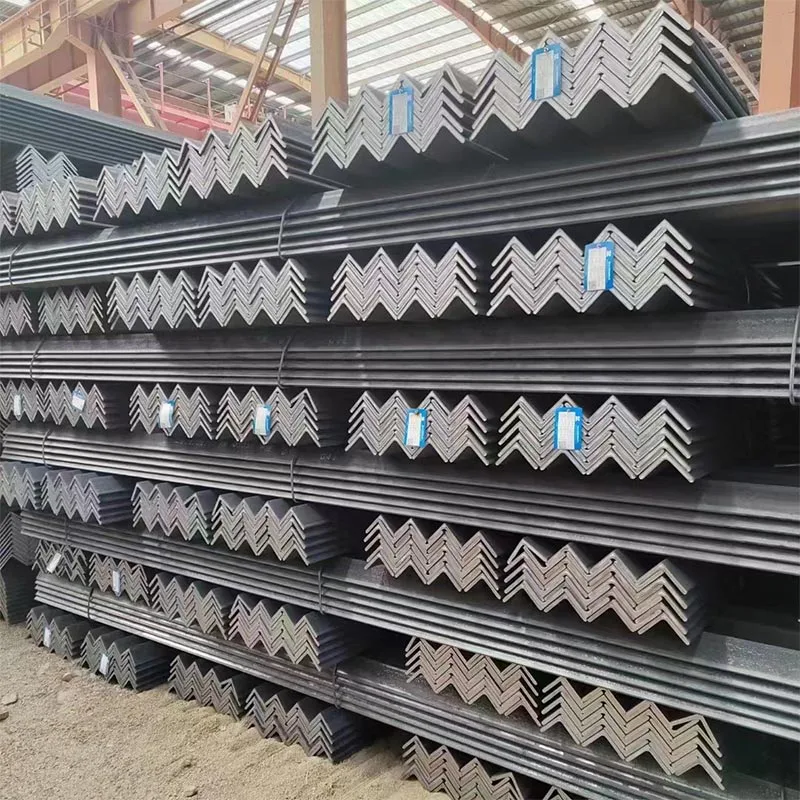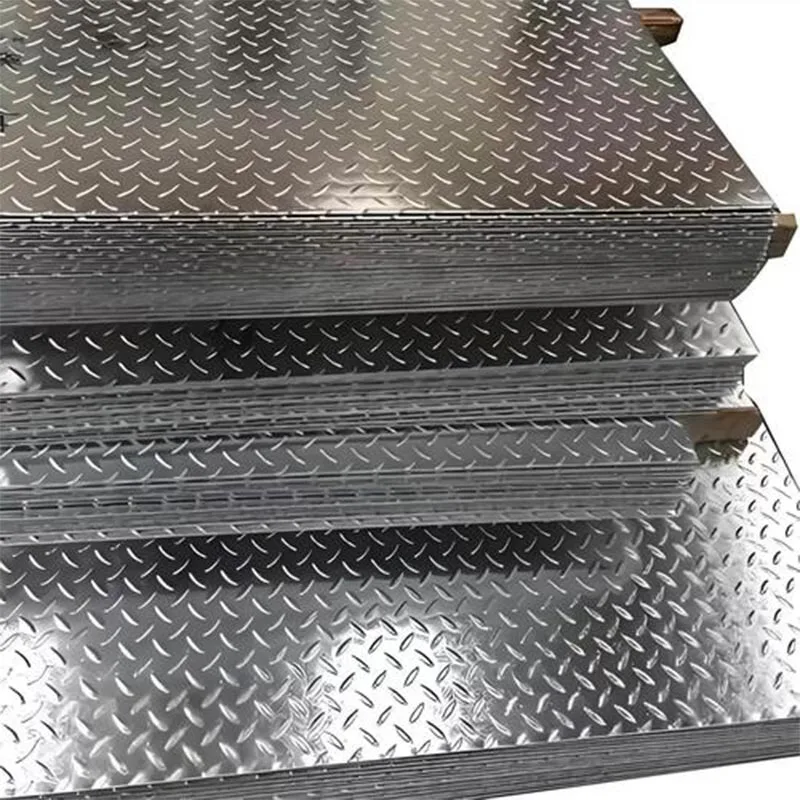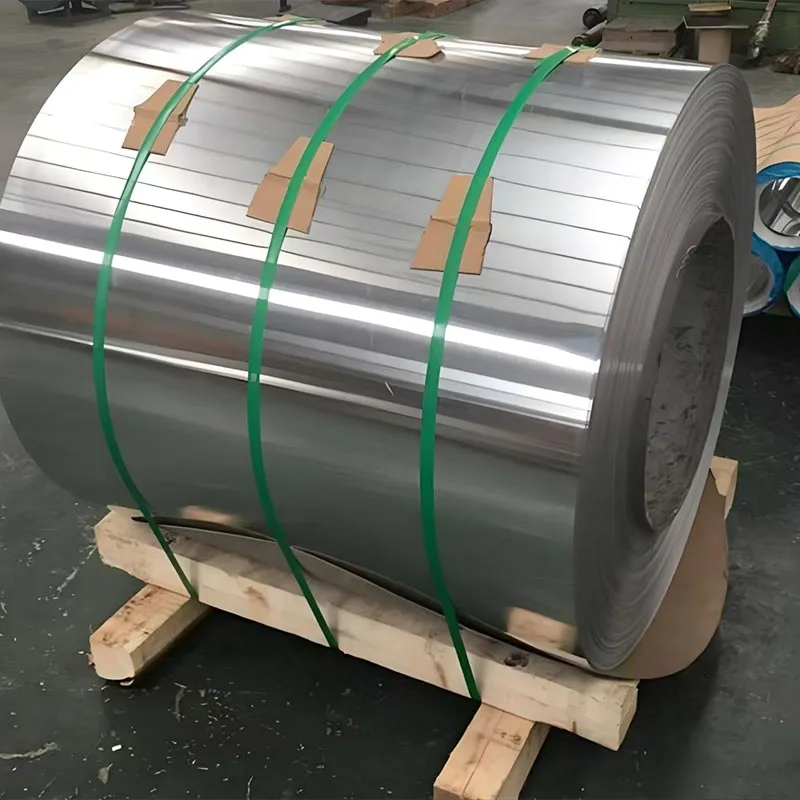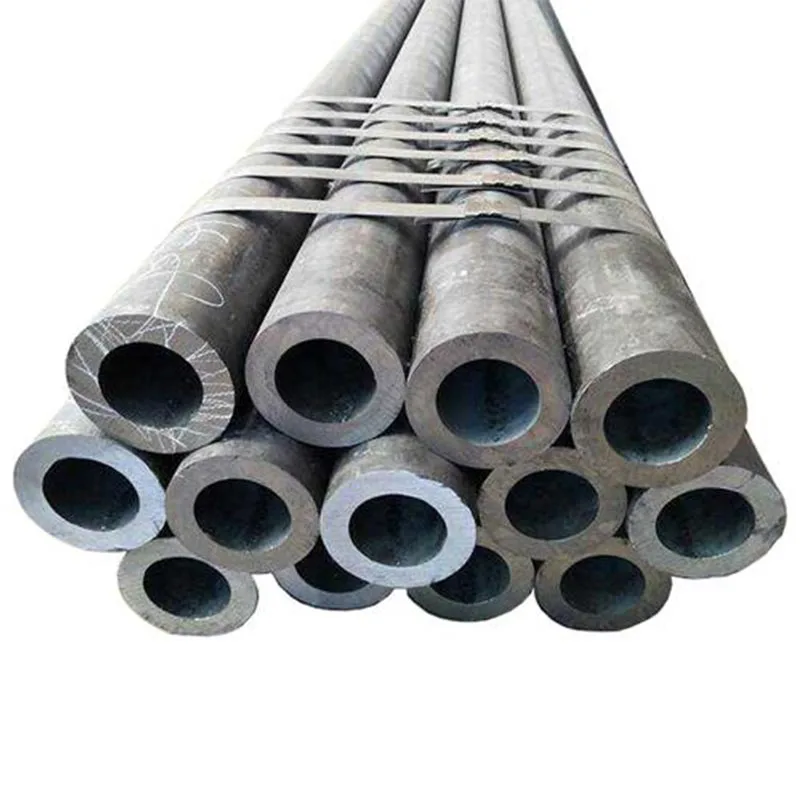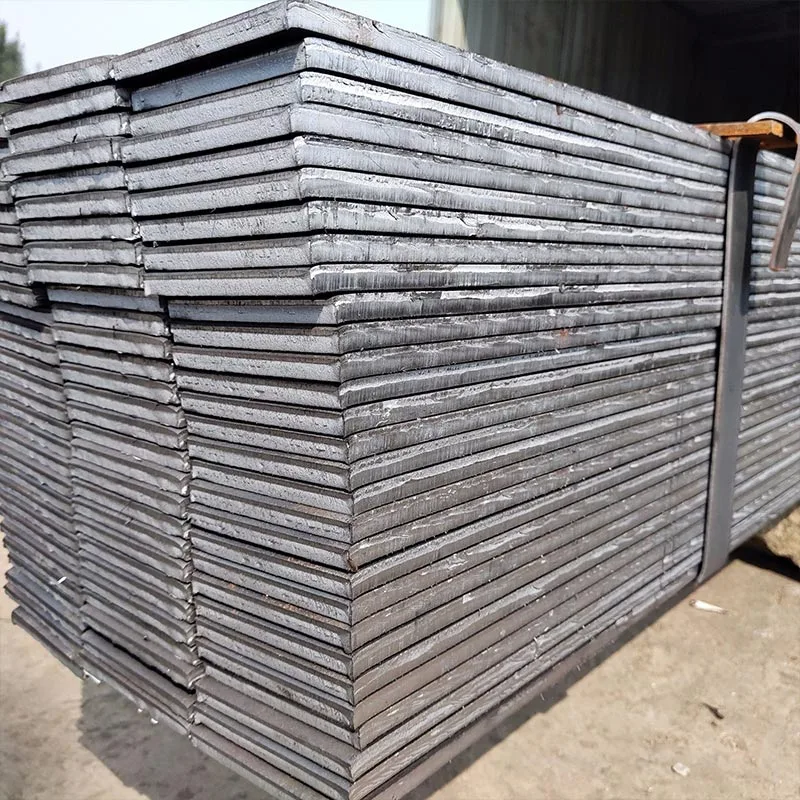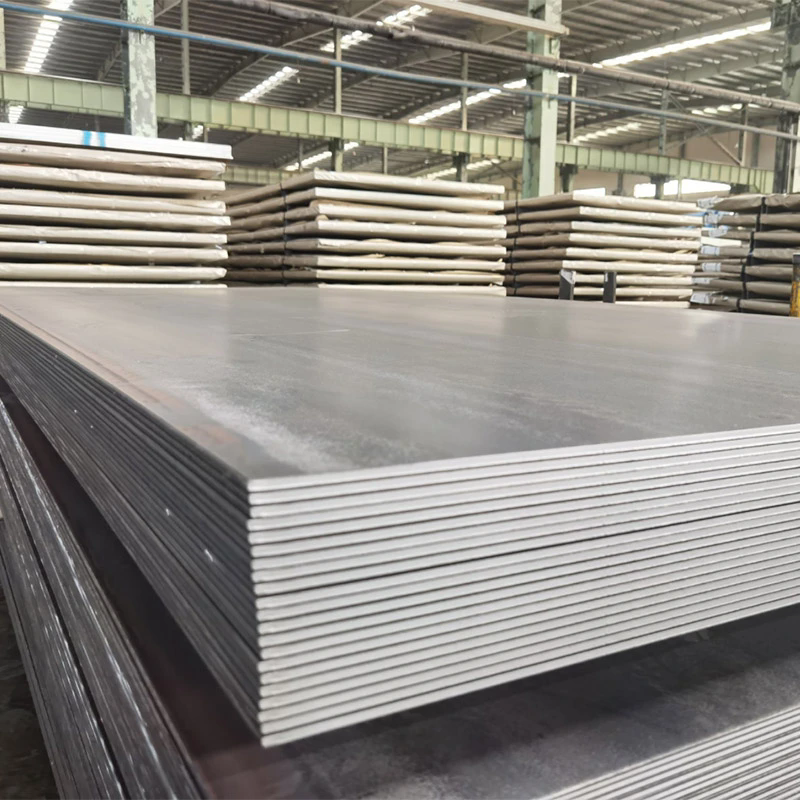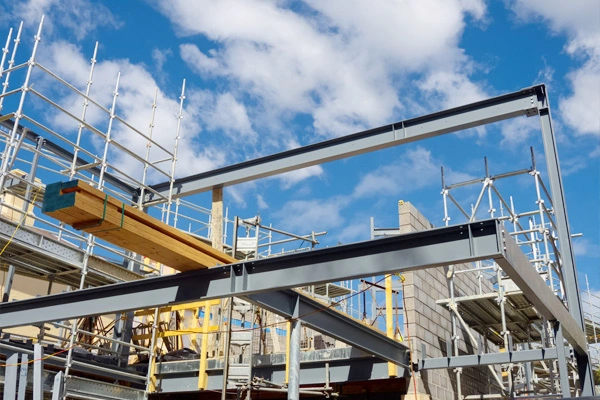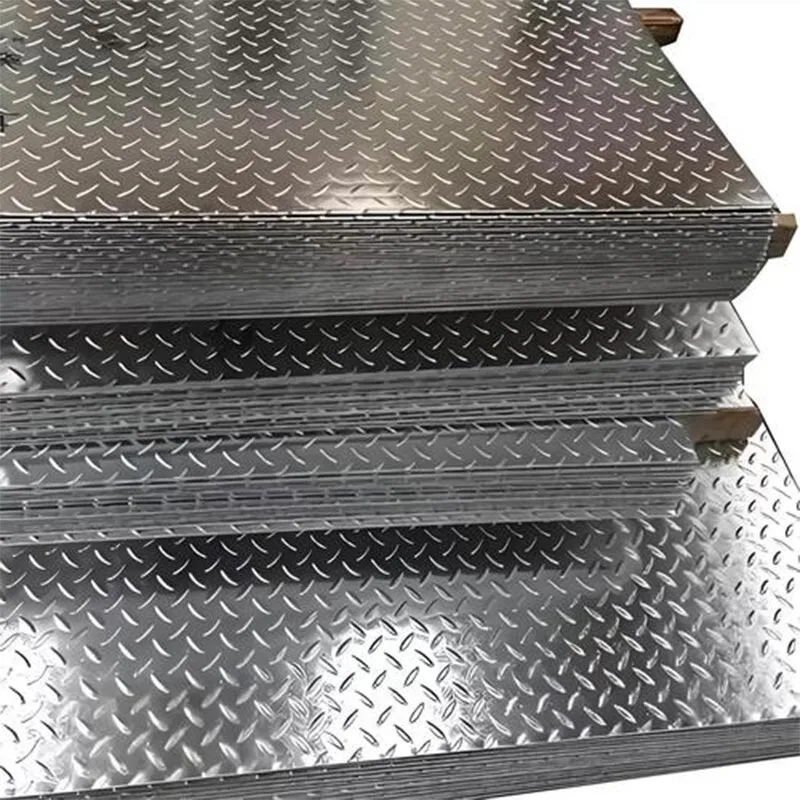
YS STEEL manufactures steel angle bars with precise dimensional control and uniform mechanical properties. The product is formed by hot rolling or cold forming from carbon structural steel, low alloy steel, or high-strength steel. Equal angle bars have legs of the same length, while unequal angle bars have one leg longer than the other. Both types are available in standard lengths of 6 meters, 9 meters, and 12 meters, with custom cutting available on request.
Every batch produced by YS STEEL undergoes rigorous inspection for dimensions, chemical composition, tensile strength, yield strength, elongation, and bending performance. The result is a dependable structural component suitable for load-bearing applications, welded connections, and precision fabrication.
YS STEEL produces steel angle bars according to international standards to ensure global compatibility. Common standards include GB/T 706-2016, JIS G3192, ASTM A36/A36M, ASTM A572/A572M, EN 10056-1, EN 10025, and AS/NZS 3679.1. The table below lists the most frequently supplied material grades and their corresponding standards.
| Material Grade | Standard | Typical Yield Strength (MPa) | Typical Tensile Strength (MPa) | Application Suitability |
|---|---|---|---|---|
| Q235B | GB/T 700, GB/T 706 | 235 | 370-500 | General structures, brackets, frames |
| Q355B | GB/T 1591, GB/T 706 | 355 | 470-630 | Heavy structures, bridges, towers |
| SS400 | JIS G3101, JIS G3192 | 245 | 400-510 | Machinery bases, steel frames |
| ASTM A36 | ASTM A36/A36M | 250 | 400-550 | Construction, welding, general fabrication |
| S235JR | EN 10025-2, EN 10056-1 | 235 | 360-510 | European structural projects |
| S355J2 | EN 10025-2, EN 10056-1 | 355 | 470-630 | High-strength structural applications |
| A572 Gr.50 | ASTM A572/A572M | 345 | 450 | Bridges, heavy-duty structures |
The dimensional range of steel angle bars from YS STEEL covers both equal and unequal leg profiles. Standard thicknesses range from 3 mm to 24 mm. The most commonly used equal angle sizes are shown below.
| Size (Leg × Leg × Thickness) mm | Weight per Meter (kg/m) | Section Area (cm²) | Standard Length |
|---|---|---|---|
| 20 × 20 × 3 | 0.889 | 1.132 | 6 m / 9 m |
| 25 × 25 × 3 | 1.124 | 1.432 | 6 m / 9 m |
| 30 × 30 × 3 | 1.373 | 1.749 | 6 m / 9 m |
| 40 × 40 × 4 | 2.422 | 3.086 | 6 m / 9 m / 12 m |
| 50 × 50 × 5 | 3.770 | 4.803 | 6 m / 9 m / 12 m |
| 63 × 63 × 6 | 5.721 | 7.288 | 6 m / 9 m / 12 m |
| 75 × 75 × 6 | 6.850 | 8.727 | 6 m / 9 m / 12 m |
| 80 × 80 × 8 | 9.658 | 12.303 | 6 m / 9 m / 12 m |
| 90 × 90 × 8 | 10.946 | 13.944 | 6 m / 9 m / 12 m |
| 100 × 100 × 10 | 15.104 | 19.242 | 6 m / 9 m / 12 m |
| 125 × 125 × 10 | 19.133 | 24.373 | 6 m / 9 m / 12 m |
| 150 × 150 × 12 | 27.279 | 34.751 | 6 m / 9 m / 12 m |
| 200 × 200 × 16 | 48.680 | 62.013 | 6 m / 9 m / 12 m |
| 200 × 200 × 20 | 60.056 | 76.505 | 6 m / 9 m / 12 m |
| 200 × 200 × 24 | 71.168 | 90.661 | 6 m / 9 m / 12 m |
Unequal angle bars offer a different leg ratio for specialized load distribution. Popular sizes include 75 × 50 × 6 mm, 100 × 75 × 8 mm, 125 × 75 × 10 mm, and 150 × 100 × 12 mm. YS STEEL can also produce non-standard sizes according to customer drawings, with tolerance ranges controlled according to EN 10056-2 or equivalent standards.
Structural performance depends on the chemical composition and heat treatment practice. YS STEEL verifies each heat number with spectrometer analysis and mechanical testing. The following table shows typical mechanical properties for common grades after hot rolling.
| Grade | Yield Strength (MPa, min) | Tensile Strength (MPa) | Elongation (%, min) | Bend Test |
|---|---|---|---|---|
| Q235B | 235 | 370-500 | 26 | No cracks at 180° |
| Q355B | 355 | 470-630 | 22 | No cracks at 180° |
| SS400 | 245 | 400-510 | 21 | No cracks at 180° |
| ASTM A36 | 250 | 400-550 | 20 | No cracks at 180° |
| S235JR | 235 | 360-510 | 26 | No cracks at 180° |
| S355J2 | 355 | 470-630 | 22 | No cracks at 180° |
For welded structures, low carbon content and controlled manganese levels improve weldability. YS STEEL can supply normalized or controlled-rolled steel angle bars with impact test values down to -20 °C for S355J2 and similar grades. Mill test certificates are provided with every shipment to document heat analysis, mechanical results, and dimensional inspection data.
YS STEEL offers several surface treatments to improve corrosion resistance and aesthetic appearance. The choice of finish depends on the operating environment and project requirements.
The steel angle bar is a versatile structural component used across many industries. Because of its simple shape and high load capacity, it is frequently selected for both primary framing and secondary bracing. Common application areas include:
YS STEEL bundles steel angle bars according to size and order quantity. Each bundle is secured with steel straps and identified with durable tags that show the grade, size, heat number, and production date. For export orders, the bundles are loaded into 20-foot or 40-foot containers, with maximum bundle weight controlled to comply with international shipping regulations. Waterproof wrapping and edge protection are available for galvanized or painted products to prevent surface damage during transit.
Standard production lead time is 15 to 25 days for regular sizes, while custom sizes and special surface treatments may require 25 to 35 days. YS STEEL works with major ocean carriers and freight forwarders to provide CFR, CIF, FOB, and DAP delivery terms based on customer preference.
Equal steel angle bars have two legs of identical length, forming a 90-degree cross-section with symmetrical load distribution. They are commonly used for general structural support, bracing, and framing. Unequal steel angle bars have one leg longer than the other, which provides greater strength along one axis while saving weight and material costs. Engineers often choose unequal angles when one leg must support a heavier load, such as in lintels, shelf supports, or connection plates.
Selecting the correct size depends on the axial load, bending moment, connection type, and span length. You should first calculate the required section modulus and moment of inertia based on the structural design code applicable to your region. Then compare those values with the properties of available sizes. For general frames and light bracing, sizes like 40 × 40 × 4 mm or 50 × 50 × 5 mm are common. For heavier structures, sizes above 75 × 75 × 6 mm are often required. If you are not sure about the load calculation, consult a qualified structural engineer or send your load conditions to YS STEEL for a professional material recommendation.
YS STEEL supplies steel angle bars in standard lengths of 6 meters, 9 meters, and 12 meters. These lengths are suitable for most transportation and fabrication requirements. Custom lengths from 1 meter to 15 meters can be produced on request. When ordering, consider the cutting tolerance, which is normally ±25 mm for hot-rolled sections. For high-precision fabrication, YS STEEL can provide end cutting to exact lengths with a tolerance of ±2 mm.
Yes, every shipment from YS STEEL includes a mill test certificate that documents the chemical composition, yield strength, tensile strength, elongation, and dimensional inspection results. The certificate is traceable to the original heat number and production batch. If your project requires third-party inspection, YS STEEL can arrange inspection by SGS, BV, TUV, or other recognized agencies before shipment.
For outdoor or corrosive environments, hot-dip galvanizing is the most recommended surface treatment for steel angle bars. The zinc coating provides sacrificial protection, meaning the zinc corrodes first and protects the underlying steel. The service life of hot-dip galvanized steel angle bars can exceed 30 years in mild atmospheric conditions. For marine or highly industrial environments, a duplex system consisting of hot-dip galvanizing plus an epoxy topcoat offers the best protection. YS STEEL can arrange galvanizing according to ASTM A123 or EN ISO 1461 with coating thickness between 70 and 100 microns depending on material thickness.