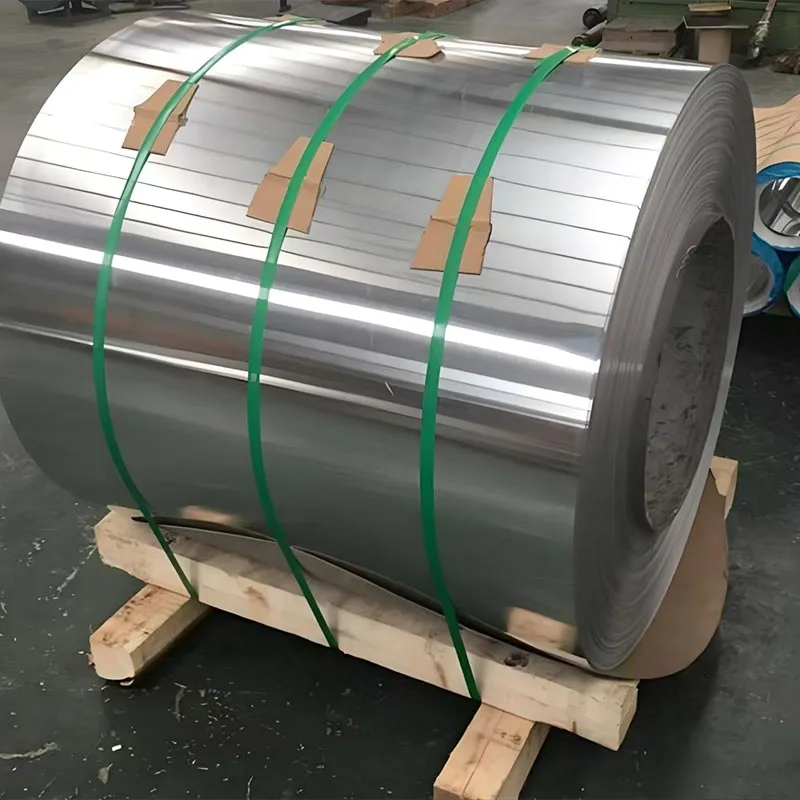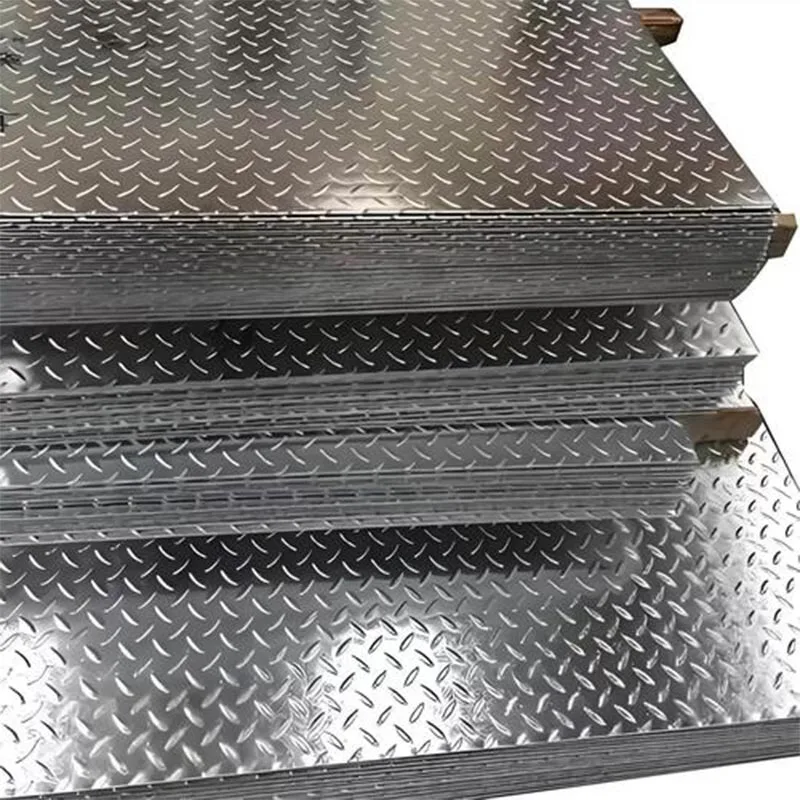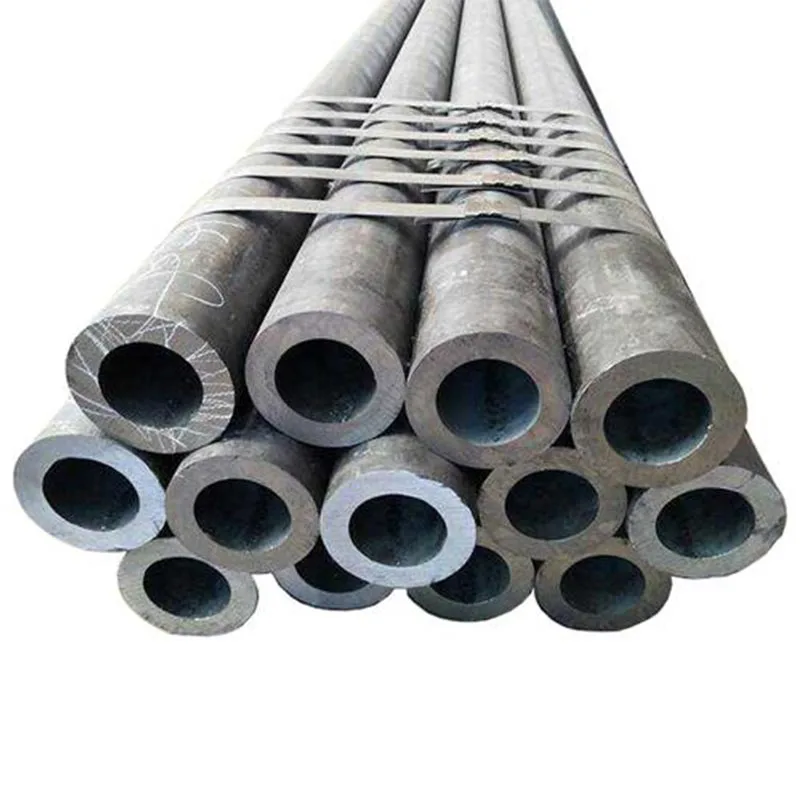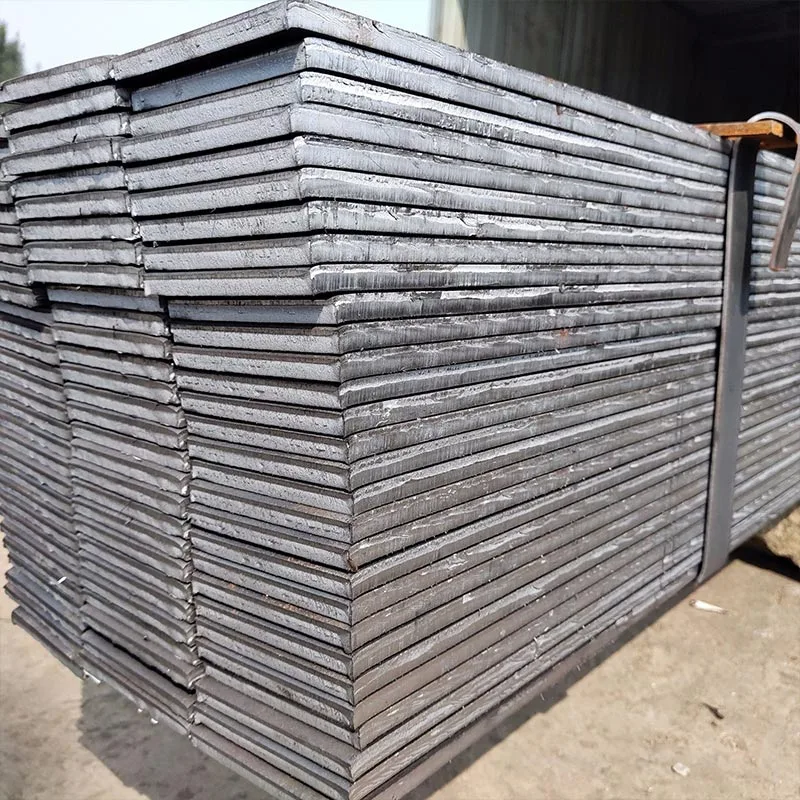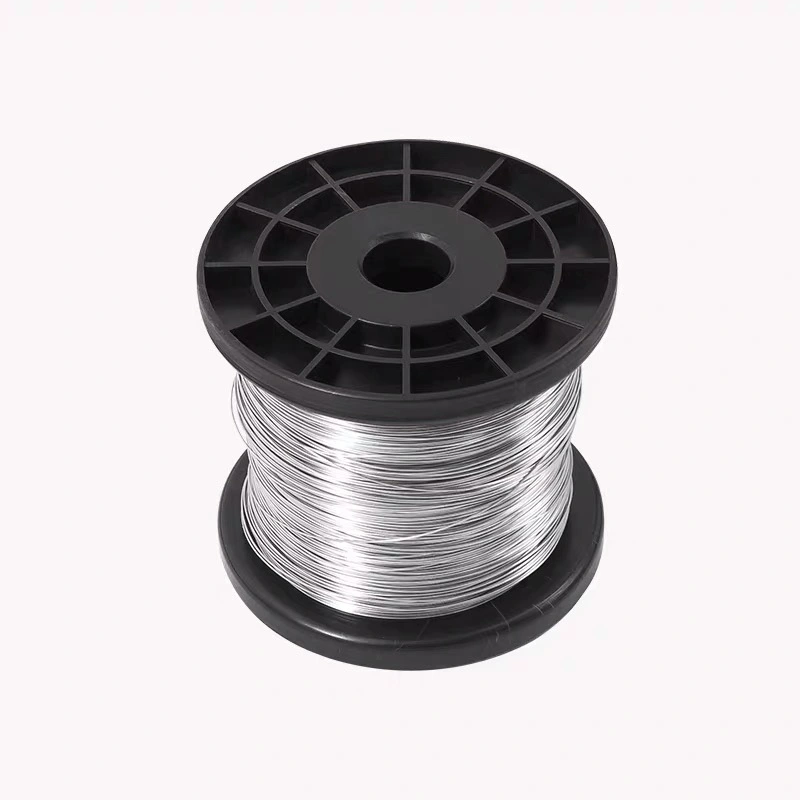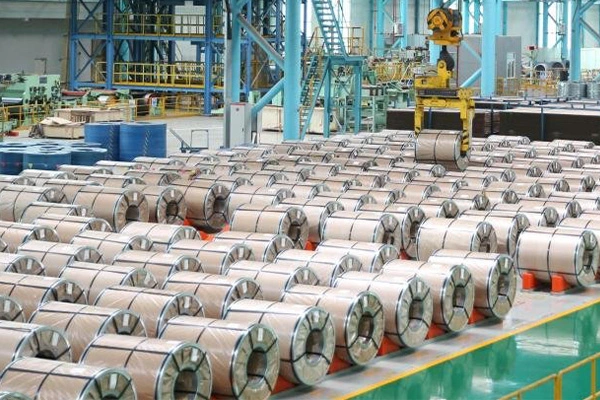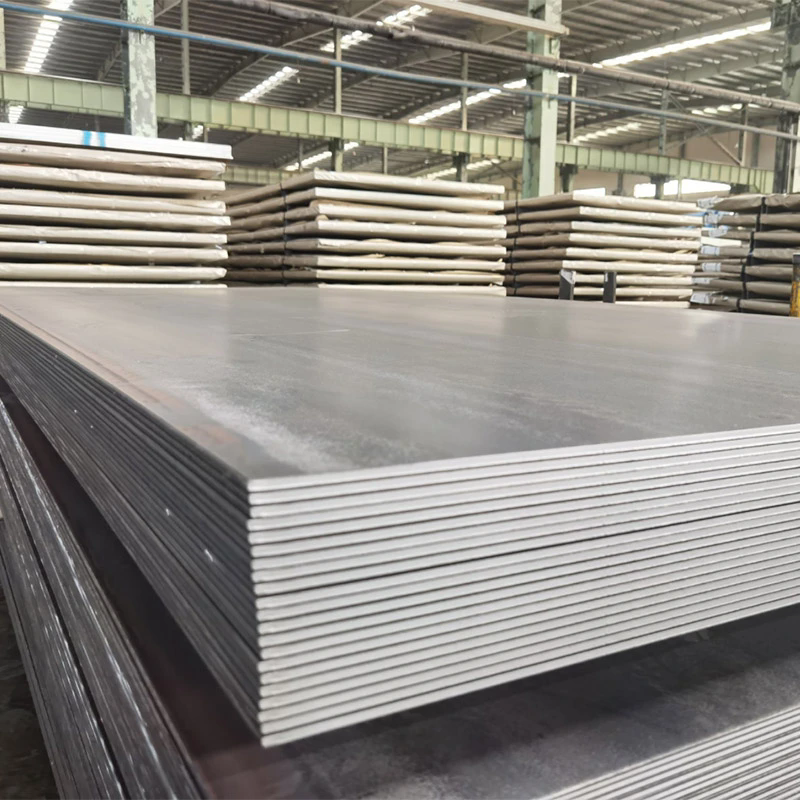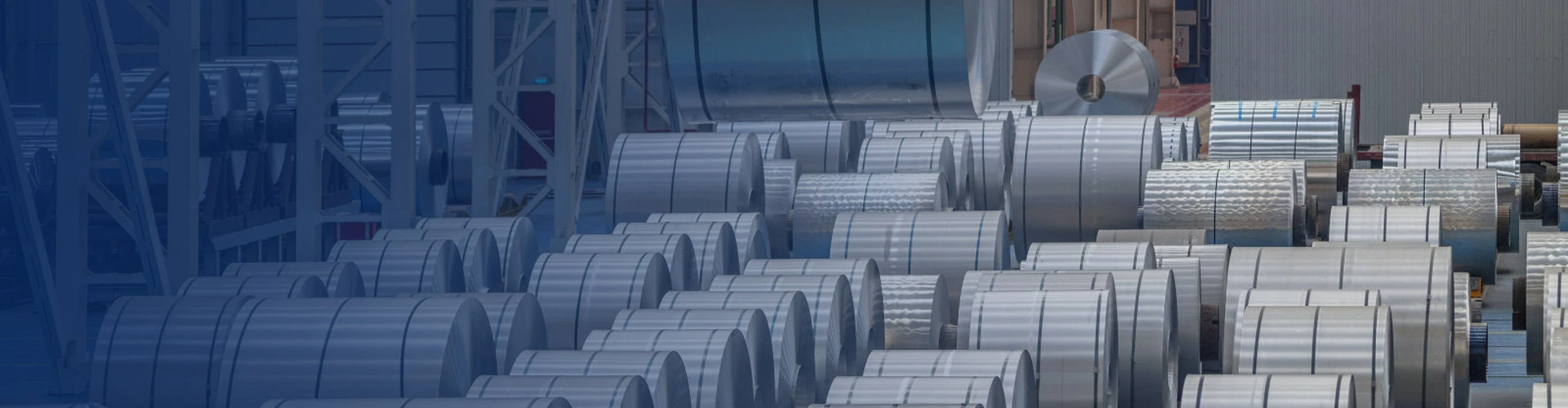
The coil format allows end users to run long production cycles without frequent changeovers. Common coil weights range from 3 to 25 metric tons, depending on width, thickness, and mill capability. At YS STEEL, we stock both slit coils and mill edge coils to serve service centers, tube mills, panel producers, and precision stamping operations.
When selecting a stainless steel coil, the following parameters define the product and directly affect performance, price, and processability. YS STEEL provides detailed mill test certificates with each shipment so buyers can verify all listed values.
| Grade | Type | Typical Applications | Key Characteristics |
|---|---|---|---|
| 201 | Austenitic | Interior panels, kitchenware, decorative trim | Lower nickel, good formability, moderate corrosion resistance |
| 304 | Austenitic | Food equipment, chemical containers, architectural cladding | Excellent corrosion resistance, excellent weldability |
| 304L | Austenitic | Welded components, storage tanks, piping | Low carbon reduces carbide precipitation during welding |
| 316 | Austenitic | Marine environments, pharmaceutical equipment, coastal architecture | Superior pitting resistance due to molybdenum |
| 316L | Austenitic | Heavy welded fabrications, chemical processing | Excellent corrosion resistance in chloride-rich conditions |
| 409 | Ferritic | Automotive exhaust systems, heat exchangers | Good oxidation resistance, economical |
| 430 | Ferritic | Appliance panels, interior trim, dishwasher components | Good formability, magnetic, moderate corrosion resistance |
| 904L | Austenitic | High-end chemical processing, seawater equipment | Outstanding resistance to reducing acids and stress corrosion cracking |
| Grade | Tensile Strength (MPa) | Yield Strength (MPa) | Elongation (%) | Hardness (HRB max) |
|---|---|---|---|---|
| 201 | ≥ 650 | ≥ 260 | ≥ 40 | 100 |
| 304 | ≥ 515 | ≥ 205 | ≥ 40 | 92 |
| 304L | ≥ 485 | ≥ 170 | ≥ 40 | 92 |
| 316 | ≥ 515 | ≥ 205 | ≥ 40 | 95 |
| 316L | ≥ 485 | ≥ 170 | ≥ 40 | 95 |
| 430 | ≥ 450 | ≥ 205 | ≥ 22 | 88 |
| 409 | ≥ 380 | ≥ 170 | ≥ 20 | 88 |
| Grade | Carbon (C) % | Chromium (Cr) % | Nickel (Ni) % | Molybdenum (Mo) % | Manganese (Mn) % |
|---|---|---|---|---|---|
| 304 | ≤ 0.08 | 18.0 – 20.0 | 8.0 – 10.5 | – | ≤ 2.0 |
| 304L | ≤ 0.03 | 18.0 – 20.0 | 8.0 – 12.0 | – | ≤ 2.0 |
| 316 | ≤ 0.08 | 16.0 – 18.0 | 10.0 – 14.0 | 2.0 – 3.0 | ≤ 2.0 |
| 316L | ≤ 0.03 | 16.0 – 18.0 | 10.0 – 14.0 | 2.0 – 3.0 | ≤ 2.0 |
| 430 | ≤ 0.12 | 16.0 – 18.0 | ≤ 0.75 | – | ≤ 1.0 |
| 409 | ≤ 0.08 | 10.5 – 11.75 | ≤ 0.50 | – | ≤ 1.0 |
YS STEEL ensures that every Stainless Steel Coils meets recognized international standards, including ASTM A240/A240M, ASTM A480/A480M, JIS G4305, GB/T 3280, and EN 10088. Thickness tolerance follows standard allowable variations based on width and nominal thickness. For cold rolled coils, typical thickness tolerance is ±0.01 mm for very thin gauges and ±0.05 mm to ±0.08 mm for thicker material. Width tolerance for slit coils is generally ±0.1 mm, while mill edge coils may have wider commercial tolerances.
Flatness, edge wave, and camber are controlled to meet customer requirements. Coil set and crossbow are measured according to standard methods, and additional tension leveling or shape correction can be applied for critical applications. If your downstream process requires tight flatness or laser cutting, YS STEEL can supply tension leveled coil with improved shape characteristics.
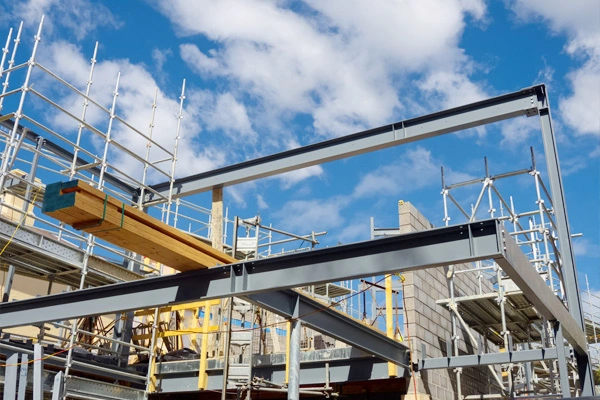
Stainless Steel Coils serve a broad range of industries because it combines corrosion resistance, strength, hygiene, and aesthetic appeal. Typical applications include:
YS STEEL has built a reputation as a reliable stainless steel coil supplier by focusing on consistent quality, accurate documentation, and responsive customer support. Our inventory covers standard grades and sizes, while our mill partnerships allow quick production of non-standard thicknesses, widths, and surface finishes. Every coil is inspected for surface defects, dimensional accuracy, and mechanical properties before shipment.
We offer value-added services such as precision slitting, cut-to-length, edge trimming, and protective film application. For buyers who require small trial quantities, YS STEEL can arrange mixed-load shipments or consolidated containers from multiple mills. Our sales engineers assist with grade selection, welding recommendations, and forming parameters to help you avoid costly material errors.
Q: What is the difference between 304 and 316 Stainless Steel Coils?
A: The main difference is molybdenum content. Grade 304 coil contains about 18% chromium and 8% nickel with no molybdenum, while grade 316 coil contains 16–18% chromium, 10–14% nickel, and 2–3% molybdenum. The molybdenum in 316 significantly improves resistance to pitting and crevice corrosion in chloride-rich environments such as coastal areas, swimming pools, and chemical processing. For general indoor or mild outdoor use, 304 is usually sufficient and more economical. For marine, pharmaceutical, or high-chloride applications, 316 or 316L is the recommended choice.
Q: How do I calculate the weight of a stainless steel coil?
A: Use the formula: weight (kg) = thickness (mm) × width (mm) × length (m) × density (kg/m³) / 1,000,000. For austenitic grades like 304 and 316, density is approximately 7,930 kg/m³. For example, a coil with 1.5 mm thickness, 1,250 mm width, and 200 meters length weighs about 1.5 × 1250 × 200 × 7,930 / 1,000,000 = 2,973.75 kg. If you know the coil weight and dimensions, you can reverse the formula to calculate length. YS STEEL provides coil length estimates on all quotations to help with production planning.
Q: What surface finish should I choose for food processing equipment?
A: For food contact surfaces, 2B finish is the most common because it is smooth, cleanable, and cost-effective. BA finish offers even better cleanability and a brighter appearance, making it suitable for visible surfaces and hygienic applications. If you need a brushed or satin appearance, No.4 or hairline finish is used for exterior panels and high-visibility areas. All finishes supplied by YS STEEL meet ASTM and EN standards for surface quality and are free from scale, pits, and excessive roughness. For dairy, brewery, and pharmaceutical applications, specify a 304 or 316 grade with 2B or BA finish and ensure proper passivation after fabrication.
Q: Can you supply slit-edge stainless steel coil for tube mills?
A: Yes, YS STEEL offers precision slitting services to convert wide mill coils into narrow slit coils for tube and pipe production. Slit widths as narrow as 10 mm are available with tolerance of ±0.05 mm or tighter depending on thickness. We use rotary slitting lines with carbide tooling to achieve clean edges and minimal burr. For tube mill applications, coils are rewound to a controlled inner diameter and can be supplied with paper interleaving to prevent surface scratches. Common grades for tube production include 201, 304, 304L, 316, 316L, and 409.
Q: What is the standard inner diameter for stainless steel coil?
A: The two most common inner diameters are 508 mm and 610 mm. Coils with 508 mm ID are widely used for general sheet metal processing and mild gauge material, while 610 mm ID is common in heavy gauge and high-speed stamping lines because it reduces coil set and allows easier mandrel loading. Some mills also supply 762 mm ID coils for very heavy gauge or high-strength material. YS STEEL can source coils with different inner diameters based on your uncoiler specifications. If you are unsure which ID fits your equipment, provide the mandrel size and maximum coil weight, and we will match the product accordingly.