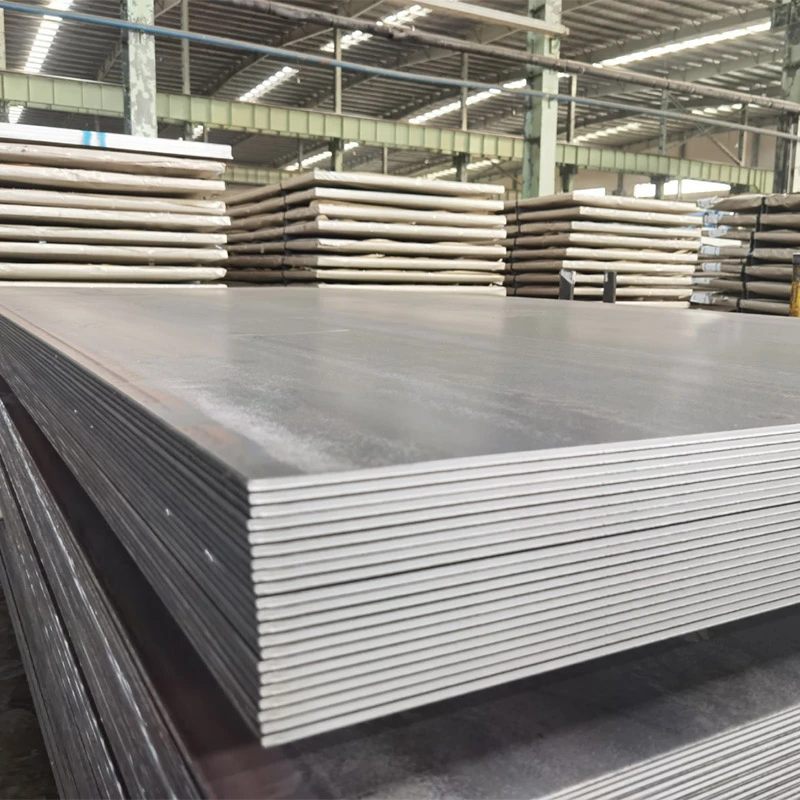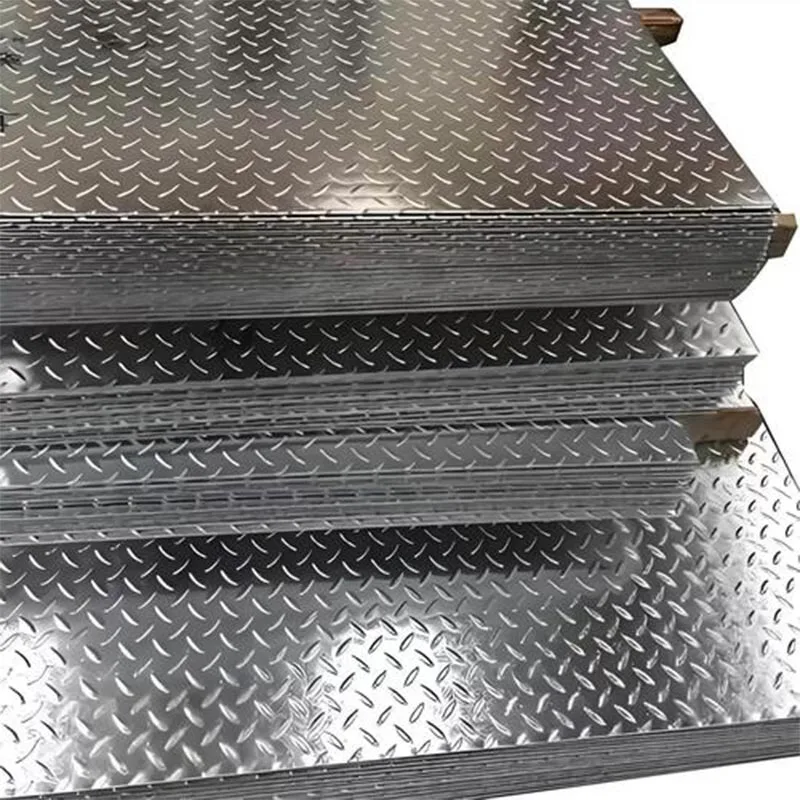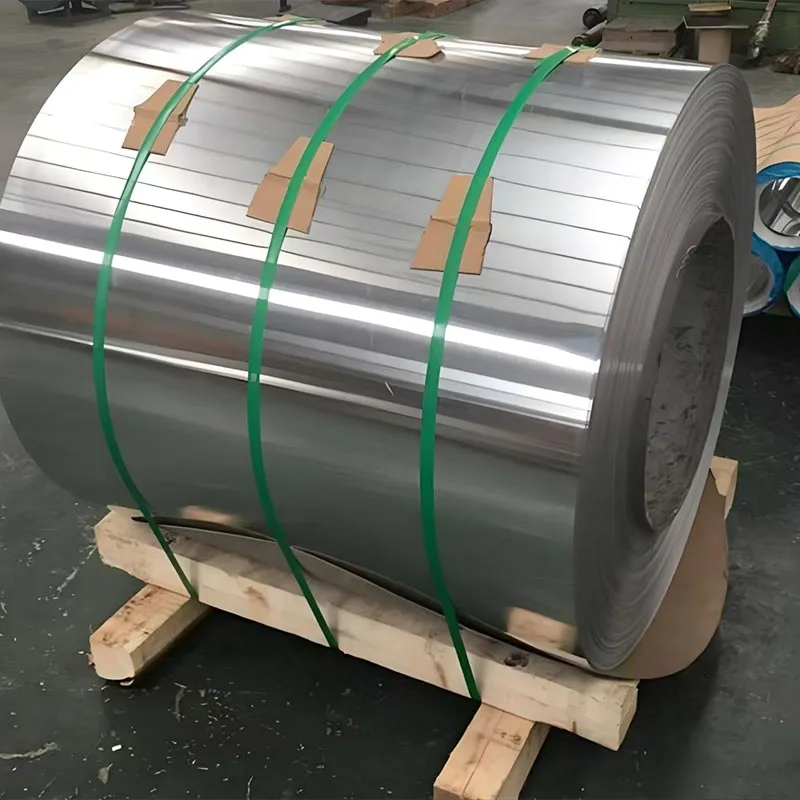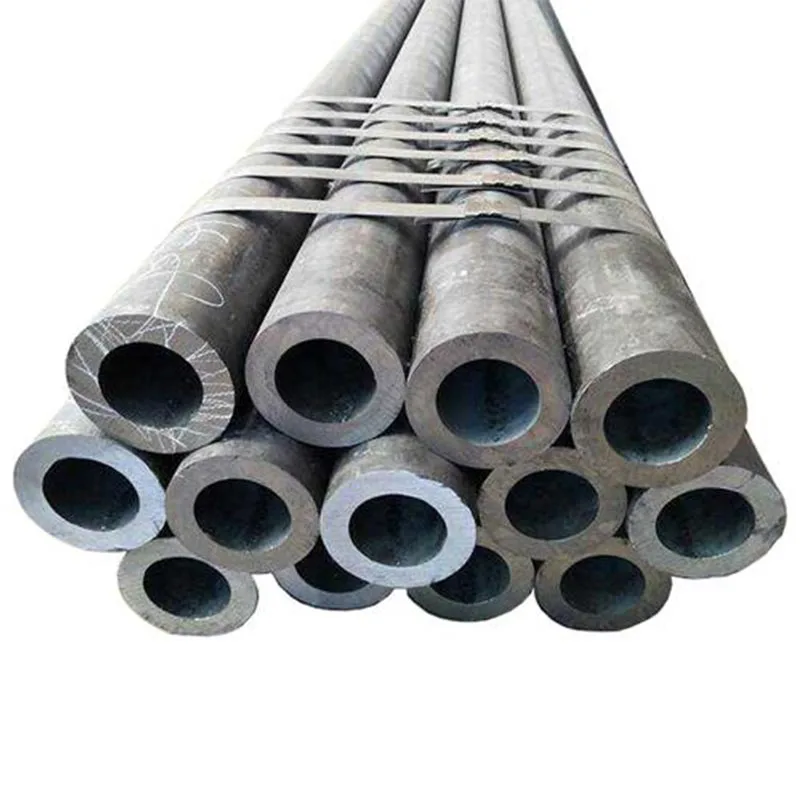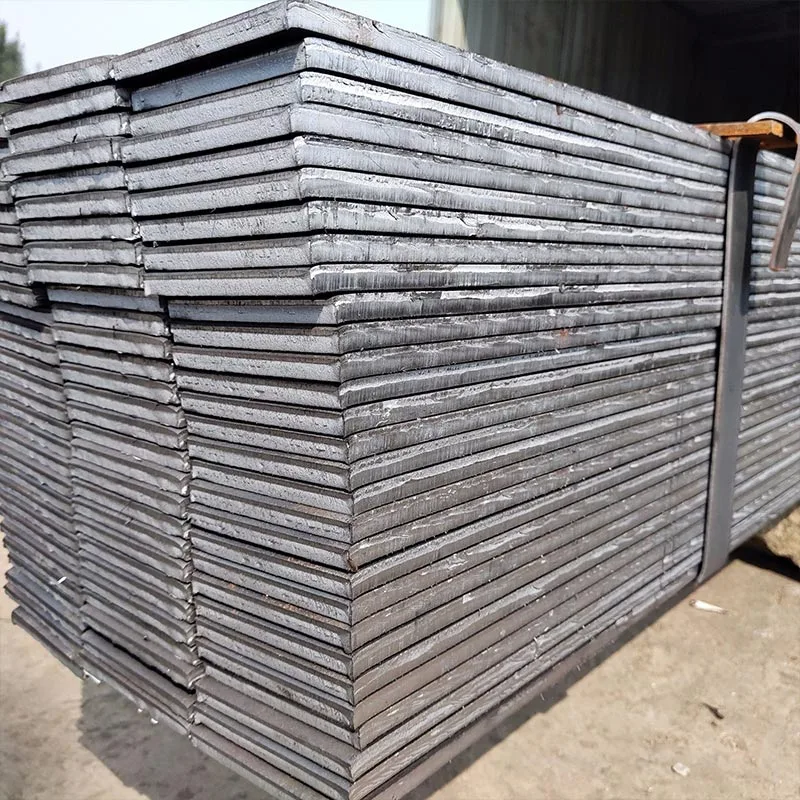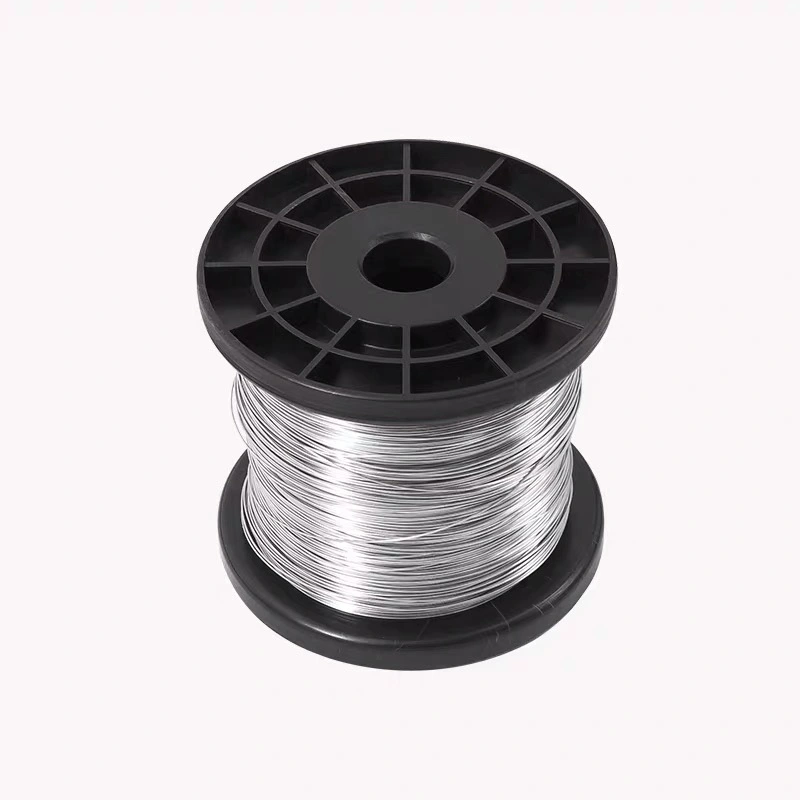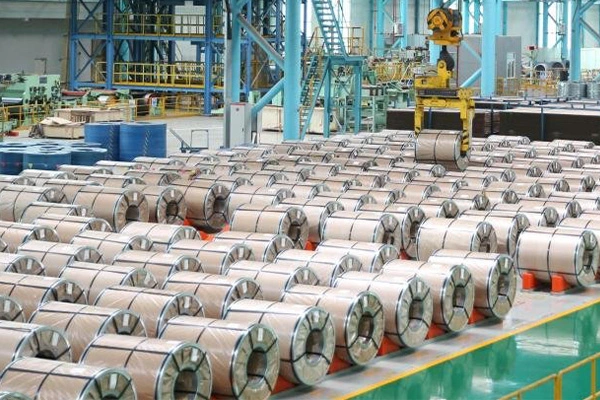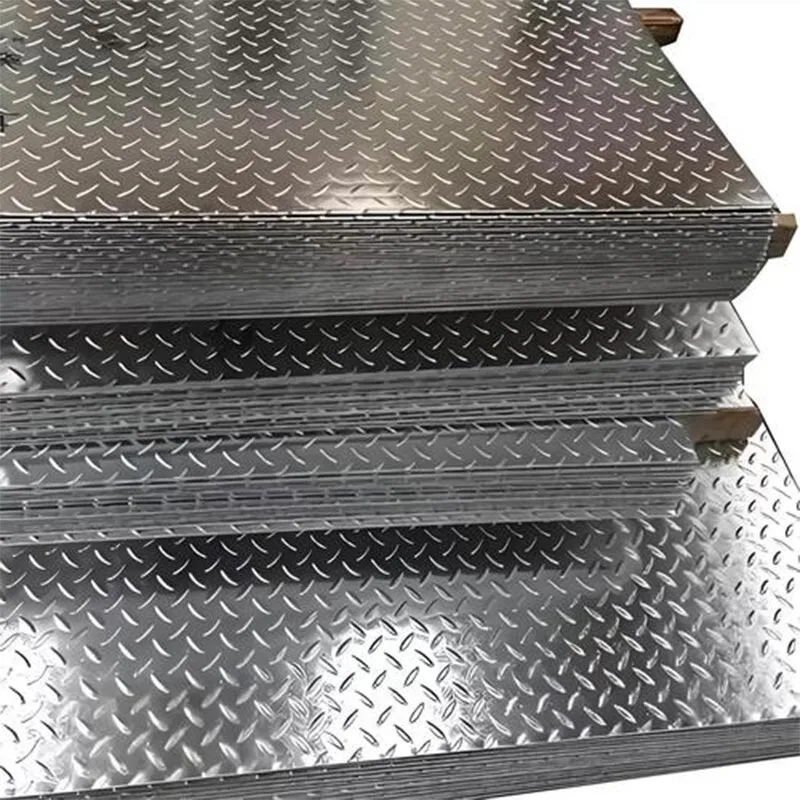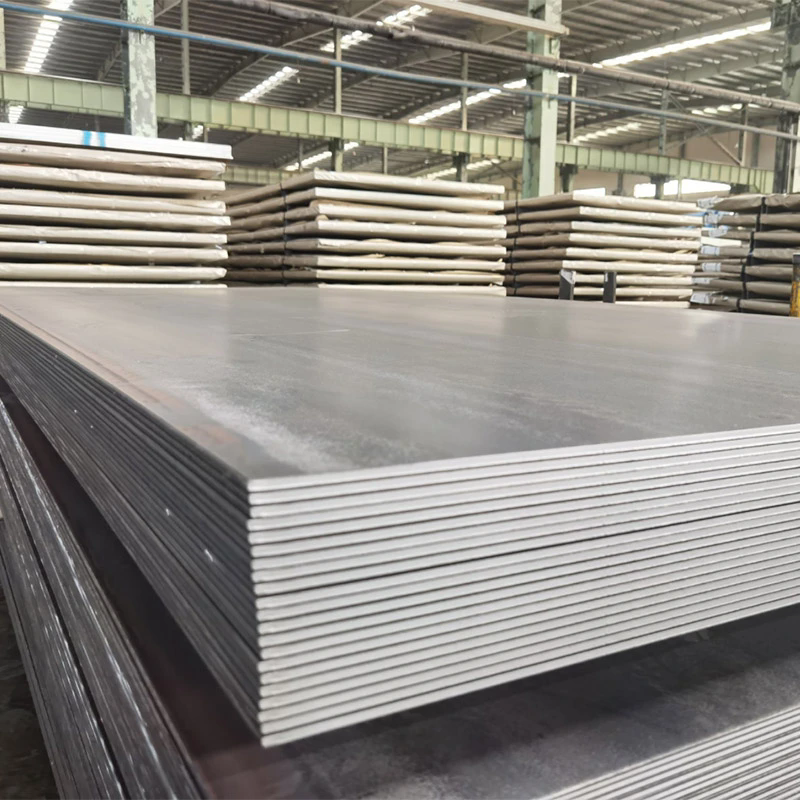
Carbon Steel Plates and Sheets are flat-rolled products made primarily from iron and carbon, with small amounts of manganese, silicon, and other elements. The main difference between plate and sheet lies in thickness. Sheet typically measures less than 3 mm thick, while plate starts at 3 mm and can exceed 150 mm. Carbon steel plate and sheet offers excellent tensile strength, good machinability, and reliable performance in structural and mechanical applications. The carbon content normally ranges from 0.05% to 0.30% for low-carbon and mild-carbon grades, which balances hardness with ductility and weldability.
YS STEEL provides carbon steel plate and sheet with the following standard dimensional and mechanical parameters. Custom sizes and tighter tolerances are available upon request.
| Parameter | Standard Range | Remarks |
|---|---|---|
| Thickness | 0.3 mm – 200 mm | Sheet: 0.3 mm – 3.0 mm; Plate: 3.0 mm – 200 mm |
| Width | 600 mm – 3,500 mm | Common widths: 1,000 mm, 1,250 mm, 1,500 mm, 2,000 mm, 2,500 mm |
| Length | 1,000 mm – 12,000 mm | Standard lengths: 2,000 mm, 2,440 mm, 3,000 mm, 6,000 mm, 12,000 mm |
| Surface Finish | Hot rolled, cold rolled, pickled and oiled, galvanized, coated | Finish depends on application and corrosion resistance needs |
| Edge Condition | Mill edge, slit edge, trimmed edge | Slit edge available for narrow strips and exact width requirements |
| Flatness Tolerance | Per ASTM A6, EN 10029, or customer specification | Custom leveling available for critical flatness |
| Yield Strength | 235 MPa – 450 MPa | Varies by grade, such as S235JR, S355JR, A36, A572 Gr 50 |
| Tensile Strength | 360 MPa – 650 MPa | Higher tensile strength available for quenched and tempered grades |
| Elongation | 15% – 35% | Measured on a standard gauge length; higher for low-carbon deep-drawing grades |
Selecting the right grade of carbon steel plate and sheet depends on load requirements, forming complexity, and welding conditions. YS STEEL keeps common structural and pressure vessel grades in stock to reduce lead times.
| Grade | Standard | Yield Strength (MPa) | Tensile Strength (MPa) | Typical Applications |
|---|---|---|---|---|
| A36 | ASTM A36 | 250 | 400 – 550 | Structural frames, general fabrication, base plates, gussets |
| A572 Gr 50 | ASTM A572 | 345 | 450 | Bridges, high-rise buildings, crane booms, heavy machinery |
| A516 Gr 70 | ASTM A516 | 260 | 485 – 620 | Pressure vessels, boilers, storage tanks, heat exchangers |
| S235JR | EN 10025-2 | 235 | 360 – 510 | Light structural parts, brackets, walkways, general engineering |
| S355JR | EN 10025-2 | 355 | 470 – 630 | Heavy structural sections, offshore platforms, chassis components |
| SS400 | JIS G3101 | 245 | 400 – 510 | Machine bases, frames, welded structures, pipe supports |
| Q235B | GB/T 700 | 235 | 370 – 500 | General construction, metal enclosures, non-critical components |
Carbon steel plate and sheet supplied by YS STEEL conforms to widely accepted international standards. Each production lot includes mill test certificates that report chemical composition and mechanical properties.
Tolerances for thickness, width, length, and flatness follow the relevant standard unless otherwise specified. For example, thickness tolerance for plate up to 25 mm under ASTM A6 is typically ±0.5 mm to ±0.8 mm depending on width. YS STEEL can arrange cut-to-length and cut-to-width services to meet exact dimensional needs.
Choosing the correct product requires evaluating the loading condition, fabrication process, and operating environment. The following list helps narrow down specification options:
YS STEEL offers Carbon Steel Plates and Sheets in various surface conditions to match downstream processing. Common surface options include hot rolled black, pickled and oiled, cold rolled, and galvanized. Pickled and oiled surfaces remove mill scale and provide a clean finish for painting or welding. Galvanized sheet adds a zinc layer for outdoor and humid environments. Additional processing services include laser cutting, plasma cutting, shearing, bending, and drilling. Custom beveling and edge preparation are available for welded assemblies.
Carbon steel plate is typically bundled with steel straps and protected with edge guards. Sheets may be packed in wooden crates or on pallets with moisture-resistant wrapping. YS STEEL labels each bundle with grade, size, heat number, and weight for traceability. Export shipments include full documentation such as commercial invoice, packing list, mill test certificate, and certificate of origin when required. Delivery lead times depend on grade availability and processing scope, but common sizes of A36, S355JR, and SS400 usually ship within 7 to 15 working days.
YS STEEL maintains a strict incoming inspection procedure for all Carbon Steel Plates and Sheets. Incoming coils and plates are checked for surface defects, dimensional accuracy, and mechanical properties. The company works with ISO 9001-certified mills and suppliers to ensure consistent product quality. Each order is traceable from original mill heat number to final delivery. Third-party inspections by SGS, BV, or TUV can be arranged before shipment. Sample testing, including tensile, bend, and impact tests, is available for critical applications.
Generally, carbon steel sheet refers to flat-rolled material with a thickness below 3 mm. Carbon steel plate starts at 3 mm and can go up to 200 mm or more. However, the exact cutoff can vary by standard and market practice. In many steel service centers, material 3 mm and thicker is sold as plate, while thinner material is sold as sheet or strip. The thickness boundary matters because plate and sheet often have different flatness tolerances, edge conditions, and manufacturing processes. YS STEEL can provide both product forms with clear documentation to avoid confusion.
Yes, most low-carbon and mild-carbon grades are easy to weld using common processes such as MIG, TIG, and stick welding. Grades like A36, S235JR, S275JR, and SS400 have carbon content below 0.25%, which reduces the risk of weld cracking. Thicker plates may require preheating to slow cooling and prevent hydrogen-induced cracking. For structural welding, always follow the welding procedure specification and use filler metals compatible with the base material. YS STEEL supplies material with controlled chemistry and mill test reports to support weld qualification.
Hot rolled carbon steel sheet is processed at high temperatures above the recrystallization point, which makes it easier to form and shape. The surface has a characteristic mill scale and slightly rougher texture. Cold rolled sheet is further processed at room temperature through rollers to achieve tighter thickness tolerances, smoother surface finish, and improved mechanical properties. Cold rolled sheet is typically thinner, stronger in tensile strength, and better suited for exposed panels, automotive body parts, and precision components. Hot rolled sheet is more economical for structural and general fabrication where surface finish is less critical.
The weight of a carbon steel plate can be calculated using the formula: Weight (kg) = Thickness (mm) × Width (m) × Length (m) × 7.85. The density of carbon steel is approximately 7.85 g/cm³. For example, a plate measuring 10 mm thick, 2 m wide, and 6 m long weighs 10 × 2 × 6 × 7.85 = 942 kg. For sheet, the same formula applies. YS STEEL can provide theoretical weight and actual weight on quotations. Actual weight may vary slightly due to rolling tolerances, so order confirmations typically show both theoretical and actual billing weight.