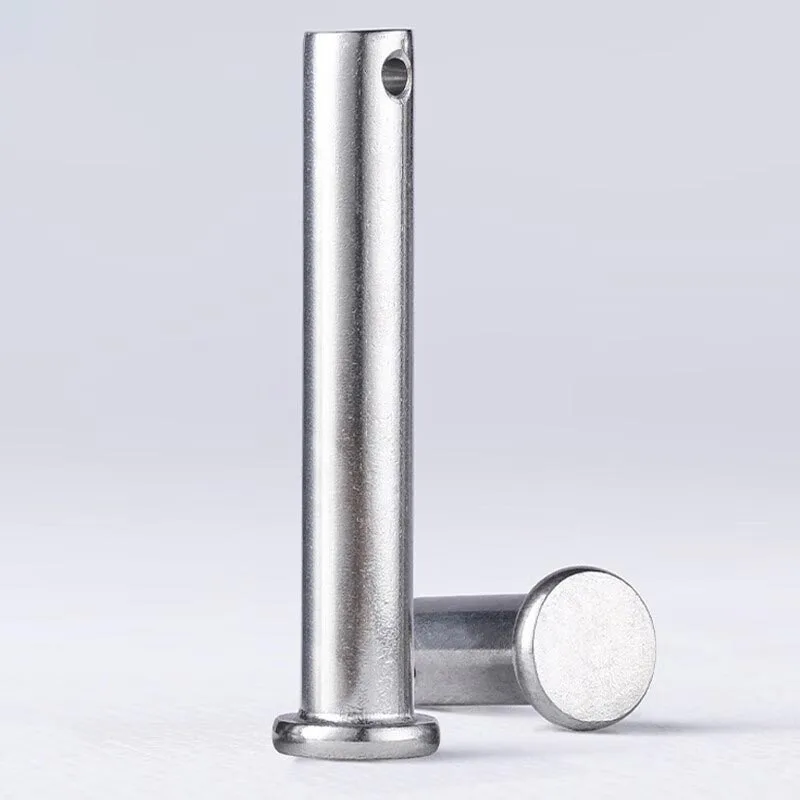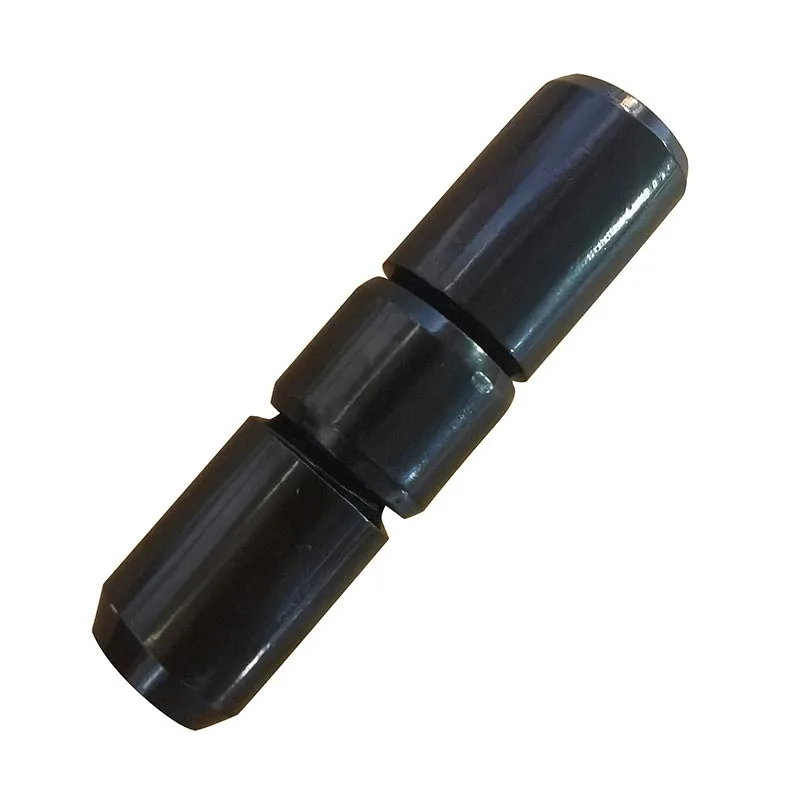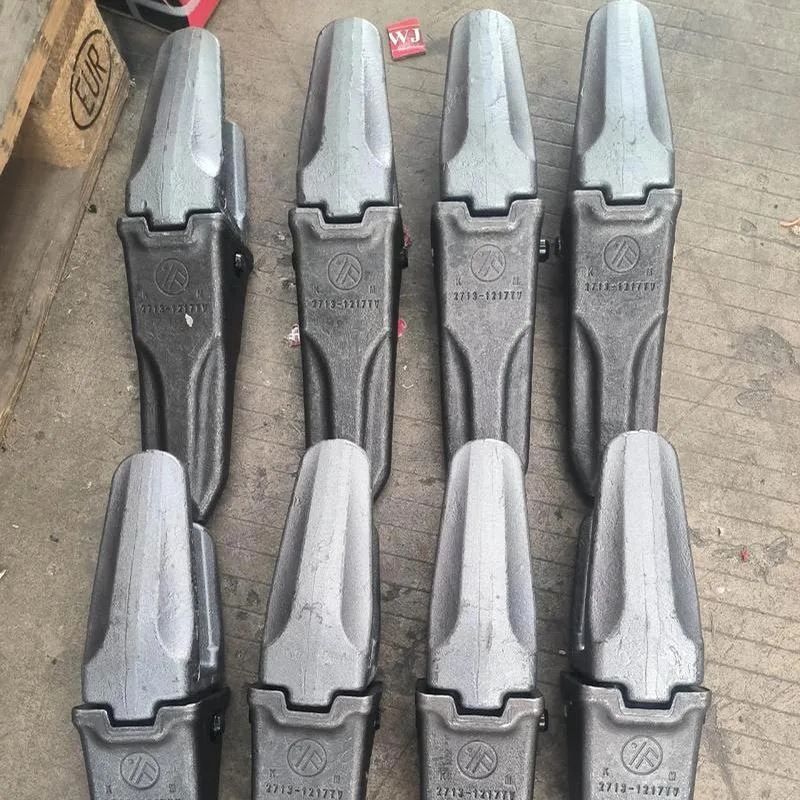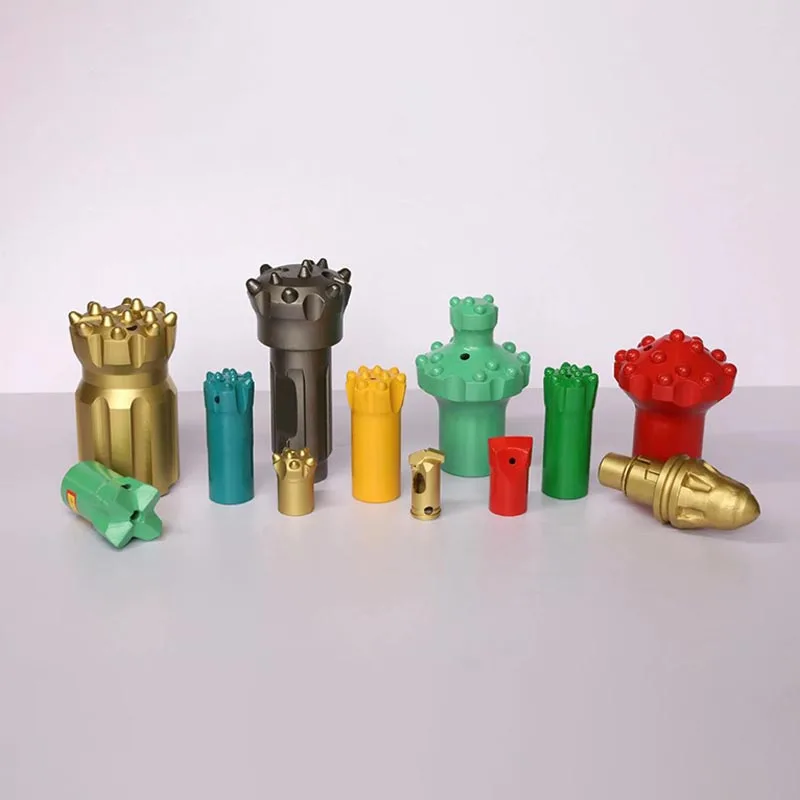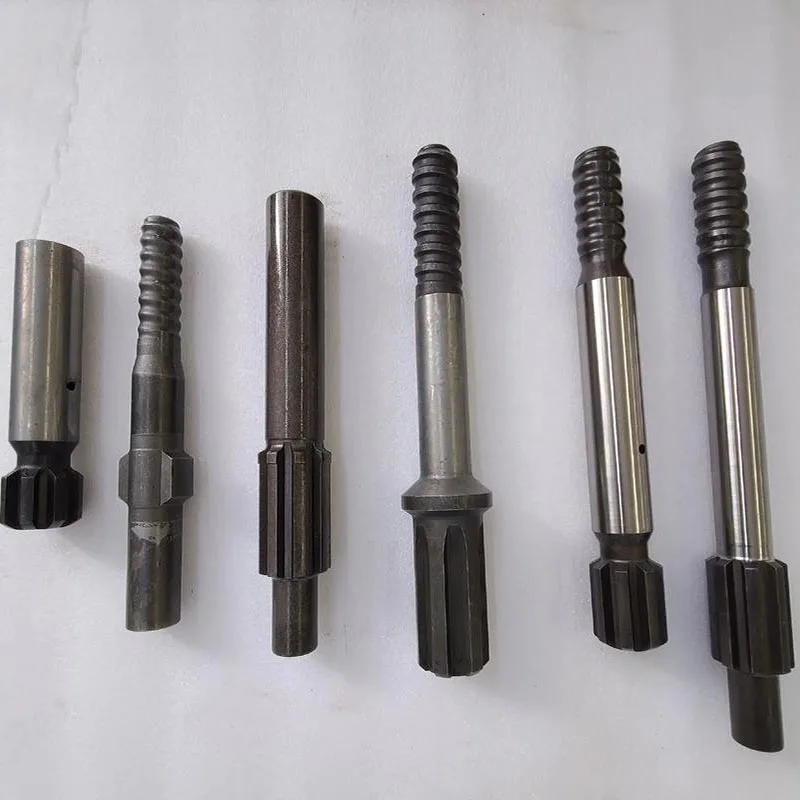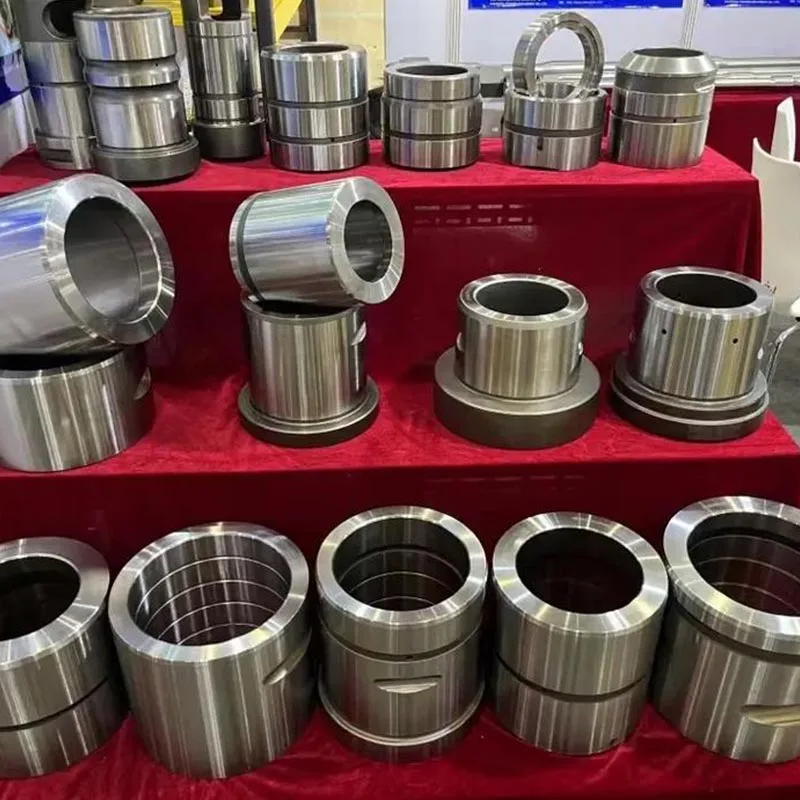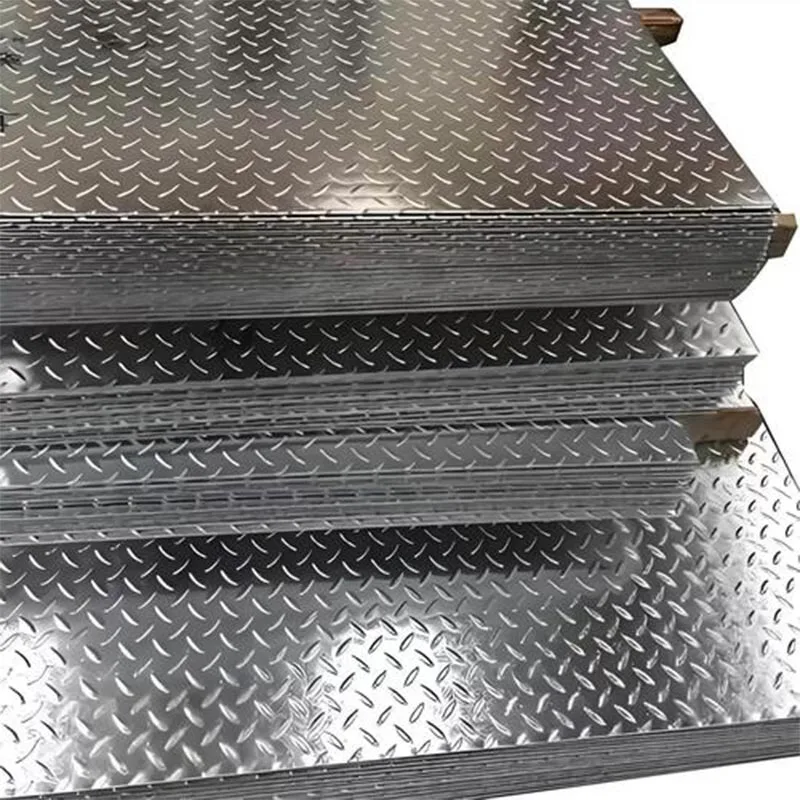
YS STEEL has spent years refining its spare parts program to address these pain points for fleet managers, independent contractors, and procurement specialists. The following guide covers product parameters, material specifications, compatibility considerations, and common questions to help you make informed purchasing decisions.
Construction equipment operates under extreme loads, abrasive materials, and constant vibration. Spare parts must match or exceed original equipment manufacturer (OEM) tolerances to ensure a reliable service life. YS STEEL supplies a broad catalog that covers the most frequently replaced components across major equipment categories.
The primary product families include:
Each category has distinct performance requirements. For example, undercarriage parts demand high resistance to impact and metal-to-metal wear, while hydraulic components require precise internal clearances and surface finishes to prevent internal leakage. YS STEEL tailors material selection and heat treatment processes accordingly.
Even the best material will fail prematurely if dimensional tolerances are loose. YS STEEL maintains strict engineering standards for all Construction Machinery Spare Parts. Key inspection criteria include:
Every batch undergoes sample destructive testing, magnetic particle inspection, and ultrasonic testing for critical internal defects. YS STEEL also provides full material certificates, heat treatment charts, and dimensional inspection reports upon request.
Fleet managers often operate mixed equipment brands. YS STEEL spare parts are engineered to fit major OEM models without modification. The compatibility matrix covers popular manufacturers including Caterpillar, Komatsu, Hitachi, Volvo, Doosan, Hyundai, Kobelco, XCMG, SANY, and LiuGong.
Common replacement examples include:
YS STEEL maintains a cross-reference database that maps aftermarket part numbers to OEM part numbers. This reduces ordering errors and speeds up the procurement process. If you have a specific machine serial number, the sales engineering team can verify fitment before shipment.
The aftermarket for heavy equipment parts is crowded with suppliers offering low prices but inconsistent quality. YS STEEL differentiates itself through three core strengths: metallurgical control, dimensional precision, and traceability.
Metallurgical control begins at the steel mill. YS STEEL sources alloy steel from certified mills and performs in-house spectrometric analysis to confirm chemical composition. Heat treatment furnaces are calibrated quarterly, and every furnace batch is logged with time-temperature curves. This level of control allows YS STEEL to guarantee hardness ranges and core toughness values that many generic suppliers cannot achieve.
Dimensional precision comes from CNC machining centers and robotic welding cells. For example, track roller shells are turned and heat-treated, then ground to final size. This removes the out-of-round condition that causes premature track link wear. Pins and bushings are centerless ground to a tolerance tighter than ISO h6, ensuring a proper press fit and consistent lubrication clearance.
Traceability is critical for safety-critical components like swing bearings, drive shafts, and hydraulic cylinders. Each YS STEEL part carries a permanent laser-etched code that links to the production batch, material certificate, and inspection record. If a part ever fails in the field, the root cause can be investigated quickly. This traceability also helps with warranty claims and insurance documentation.
YS STEEL also offers custom manufacturing for obsolete or low-volume parts. Using reverse engineering, the team can scan a worn sample, create a 3D model, and produce a replacement in small batches. This is particularly valuable for older machines or specialized attachments where OEM support has ended.
Construction machinery spare parts are components designed to replace worn, damaged, or failed parts on excavators, bulldozers, loaders, cranes, graders, and other heavy equipment. They include items like track rollers, bucket teeth, hydraulic pumps, filters, pins, bushings, and seals. These parts matter because heavy equipment operates in punishing conditions. A single failed bearing can bring an entire job site to a halt. Quality spare parts reduce unplanned downtime, lower total cost per hour, and help maintain safe operation. Using inferior parts often leads to accelerated wear on adjacent components, which multiplies repair costs over time. YS STEEL focuses on parts that match or exceed OEM specifications to prevent these secondary failures.
Start with the machine make, model, and serial number. The serial number is essential because manufacturers often change component designs mid-production. Next, identify the part number from the OEM parts book or the old part itself. Many components have stamped or cast part numbers, but heavily worn parts may require measurement. For track chains, measure pitch, pin diameter, and bushing diameter. For bucket teeth, identify the tooth series and nose profile. For hydraulic pumps, record the pump type, displacement, and rotation direction. YS STEEL cross-reference specialists can help match these measurements to the correct aftermarket part number. When in doubt, send photos and measurements to the sales team before ordering.
The best material depends on the wear mechanism. For parts exposed to severe impact and abrasion, such as rock bucket teeth and ripper tips, high manganese steel (Mn13) is often preferred because it work-hardens under impact. For sliding wear and rolling contact fatigue, alloy steels like 40Cr and 42CrMo with induction hardening provide a hard surface and tough core. For low-stress scratching abrasion on cutting edges and wear plates, Hardox 450 or 500 equivalent steel offers excellent wear life. Hydraulic cylinder rods typically use chromium-plated 45# steel or induction-hardened C45E. YS STEEL engineers recommend materials based on the equipment type, application, and soil conditions. No single material is optimal for all parts, so avoid suppliers that use a one-size-fits-all approach.
Undercarriage component life varies widely with operating conditions. Track rollers typically last 2,500 to 4,000 hours in normal soil, but rocky terrain can reduce life to 1,500 hours. Track chains generally last 2,000 to 3,500 hours depending on tension, alignment, and ground conditions. Sprockets should be replaced when the tooth profile shows visible hooking or wear exceeding 20 percent of the original tooth height. Front idlers need replacement when the tread surface shows deep grooving or the flange thickness drops below the manufacturer minimum. A useful inspection method is to measure the internal wear of bushings and the sag of the track. If the track cannot be tensioned correctly or the rollers wobble when jacked up, replacement is overdue. Regular cleaning and proper track tension can extend undercarriage life by up to 30 percent.
Yes, YS STEEL operates a dedicated reverse engineering and custom manufacturing service. The process starts with the customer sending a worn or broken sample, along with basic machine information. The engineering team scans the sample using a coordinate measuring machine or 3D laser scanner to create a digital model. If a sample is not available, the team can work from OEM drawings or even rough field sketches with critical dimensions. After the design is confirmed, YS STEEL selects the appropriate material and manufacturing route, which may include casting, forging, CNC machining, welding, and heat treatment. Lead time for custom parts typically ranges from 15 to 45 days depending on complexity. This service is ideal for discontinued models, specialized attachments, and mining equipment where OEM parts are unavailable or prohibitively expensive.