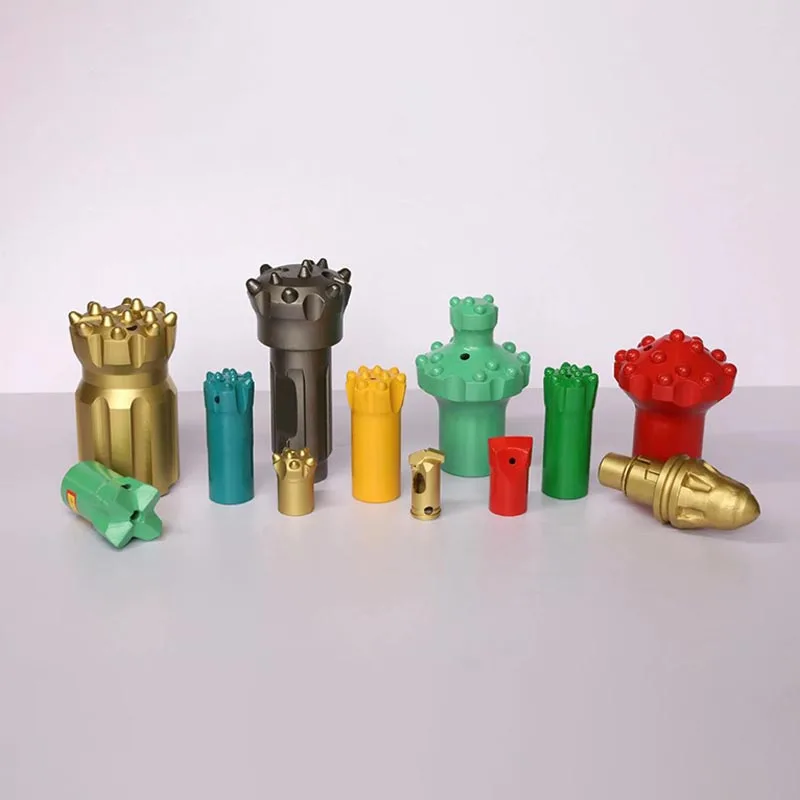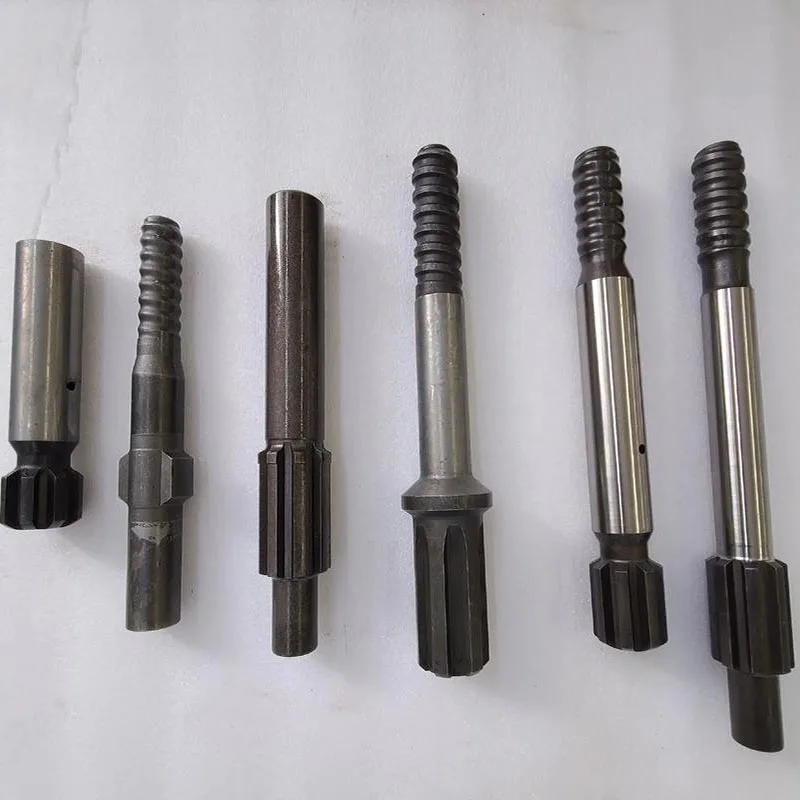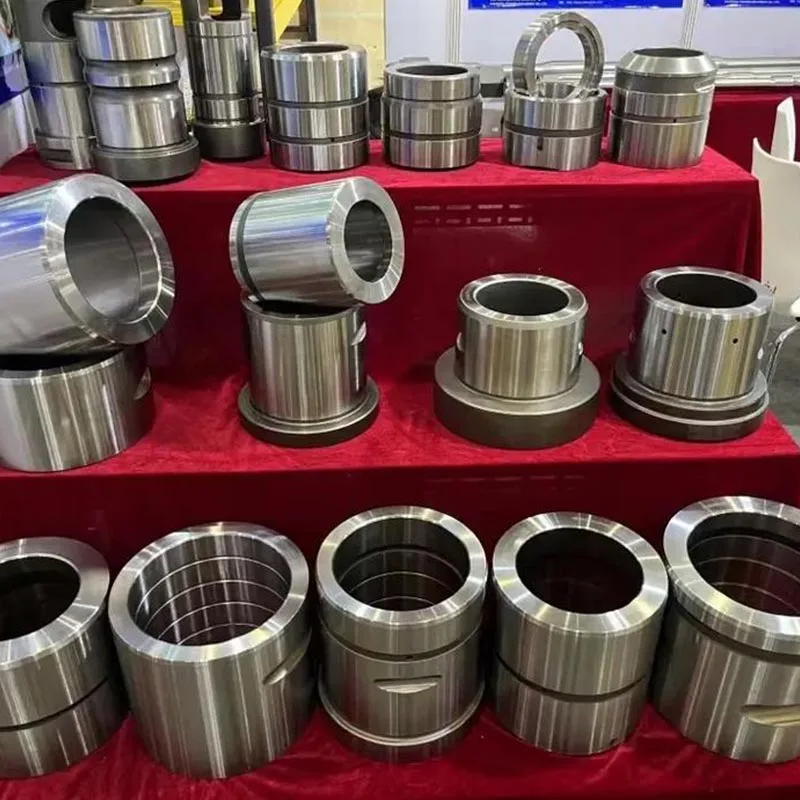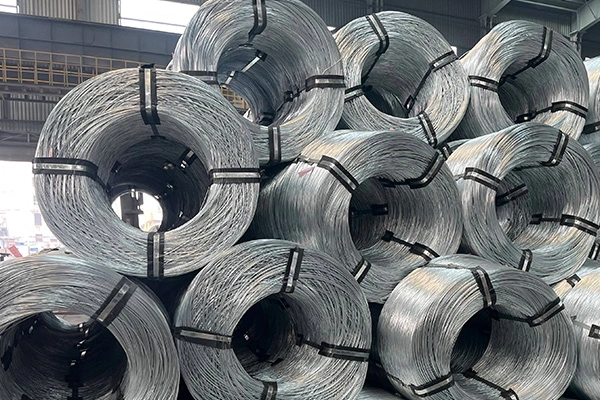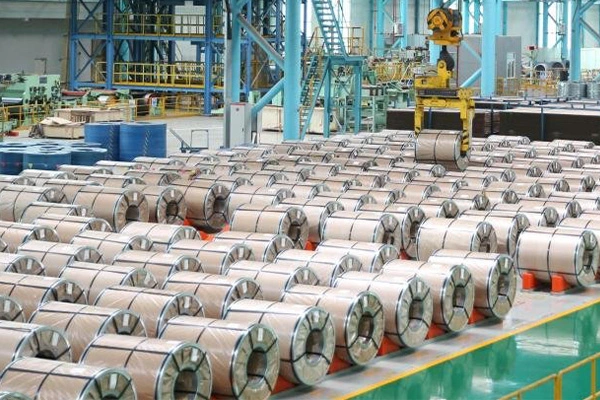
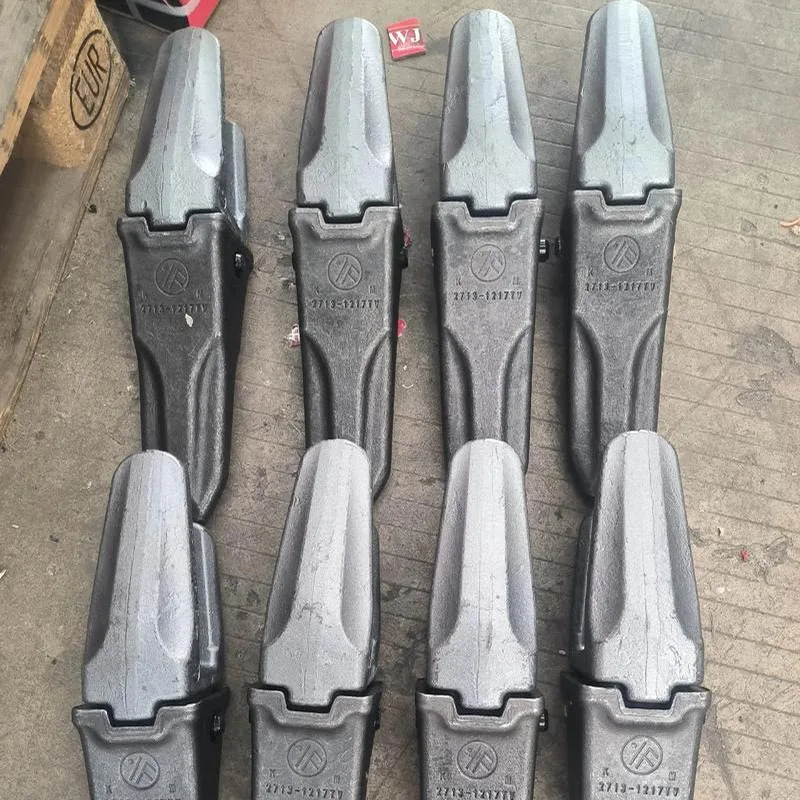
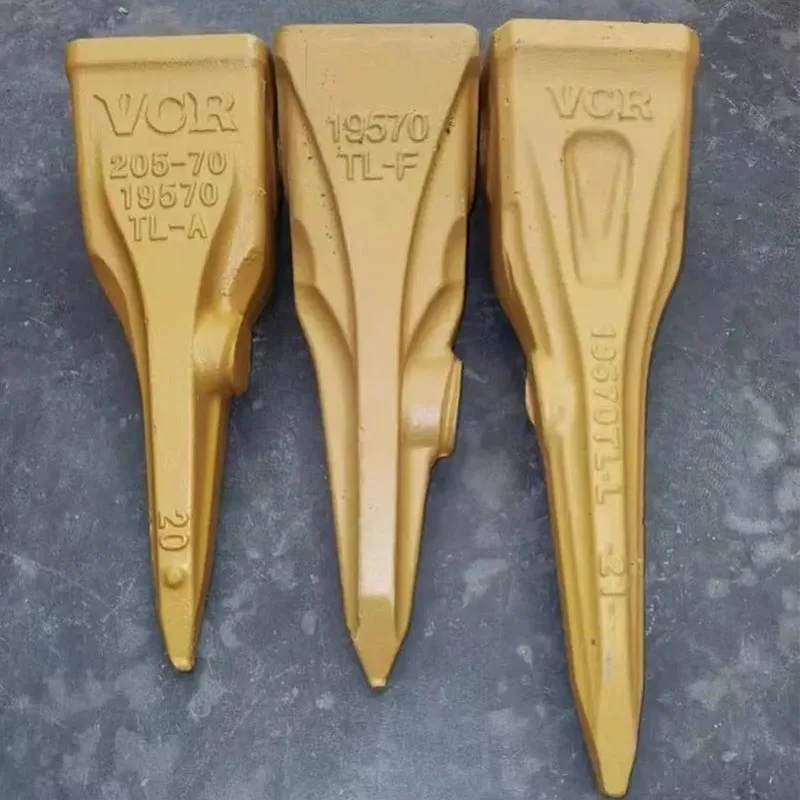
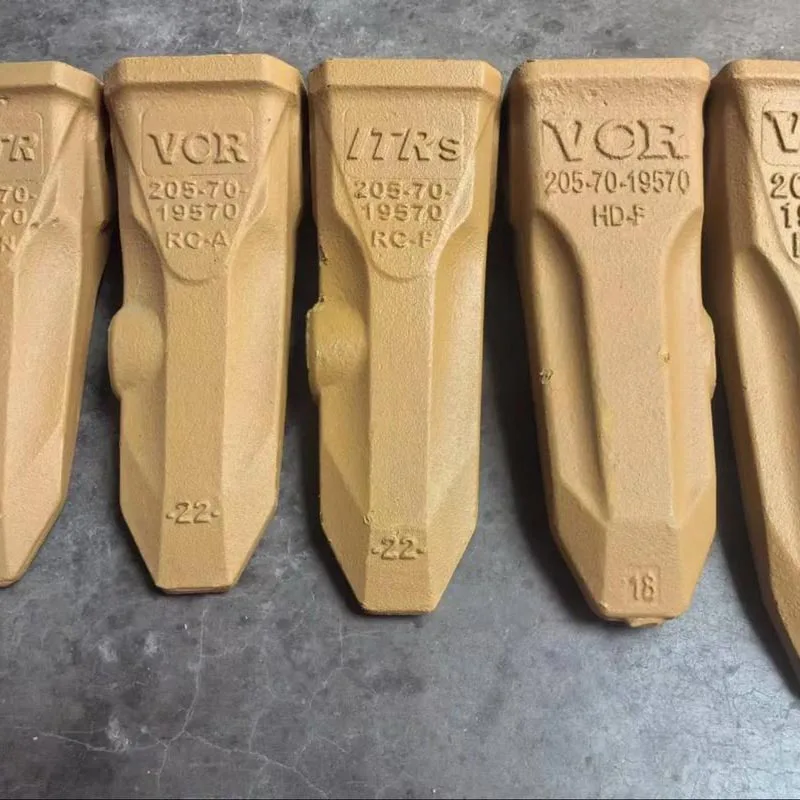
The Excavator Bucket Teeth supplied by YS STEEL factory are divided into three types: earthwork teeth, mining teeth and rock teeth, suitable for all-tonnage excavators ranging from 1 to 50 tons. They can be paired with tooth seats, tooth pinions and spring clasps as a complete set of components.
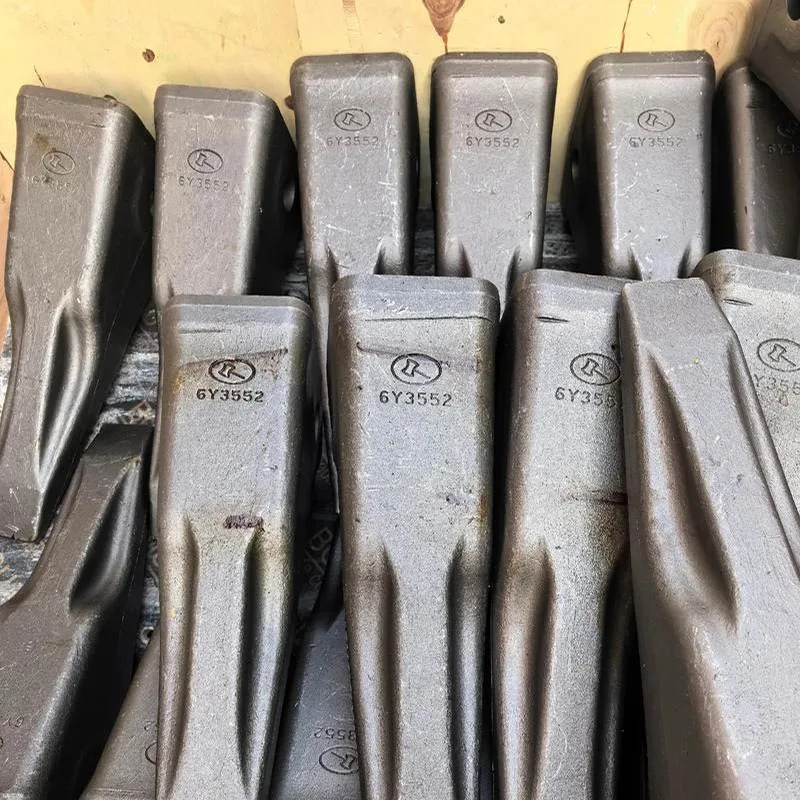
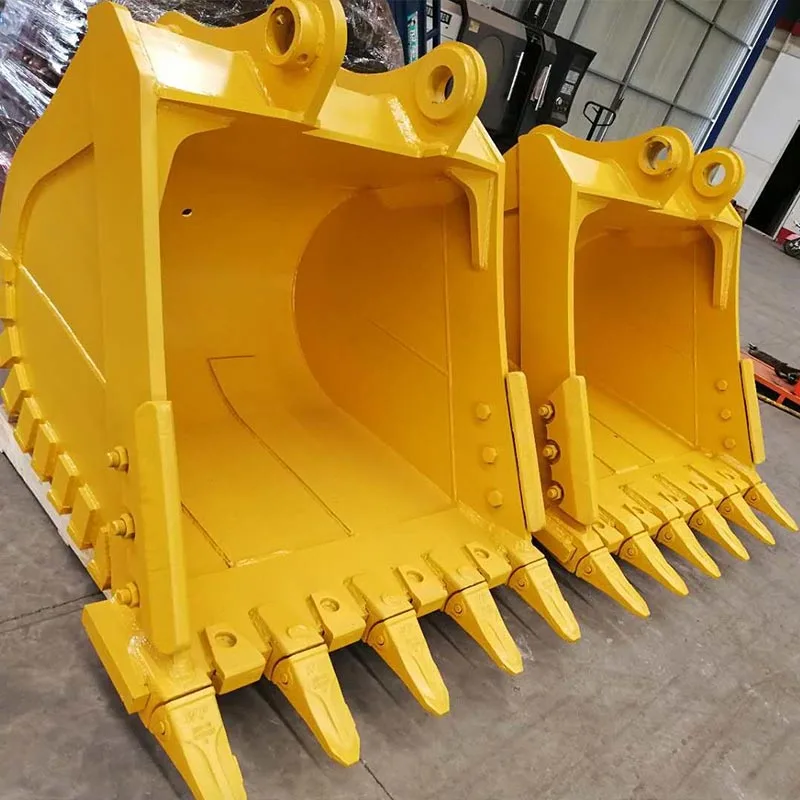
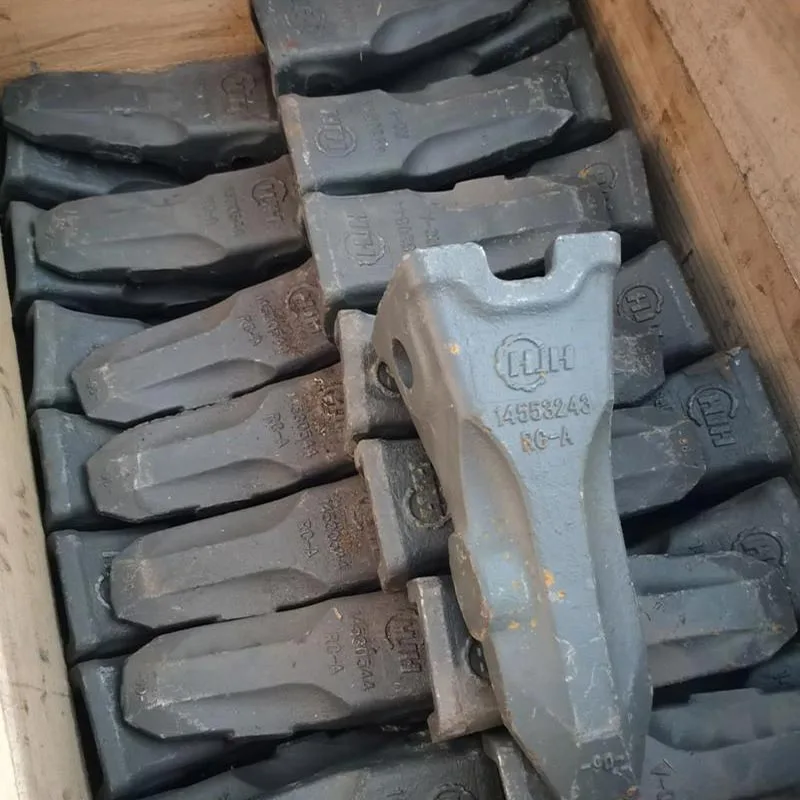
1. High-chromium base material, uniform wear-resistant layer structure
2. Segmented quenching and tempering heat treatment, differentiated performance of tooth tip and tooth body
3. Precise mold casting, controllable assembly gap
4. Full working condition tooth type matrix, covering all-tonnage models
5. Full-process quality inspection, ready-to-export and complete set export solutions
Commonly, the high hardness of the bucket teeth leads to fractures, while the good toughness causes rapid wear. Our Excavator Bucket Teeth rely on material formulation and segmented heat treatment to balance hardness and toughness, avoiding sudden tooth breakage and machine shutdown during hard rock operations.
Non-standard bucket teeth size deviations can cause operational shaking, accelerating tooth wear and damaging the tooth seat. Precise casting molds control the fitting gap, reducing the overall maintenance cost.
For earthwork, using rock teeth causes high resistance; for mining, using earthwork teeth is prone to breakage. By differentiating tooth types according to working conditions, it helps customers select the correct model and extend accessory lifespan.
There is no need to separately purchase tooth seats, pins and spring clasps separately. The complete set of wear parts can be packaged and exported as a whole, reducing the complexity of coordination and container assembly.
Only using old samples can be used for measurement and mold opening, without the need for complete drawings; it can be paired with a complete set of inspection documents to meet the acceptance requirements of overseas mining projects.
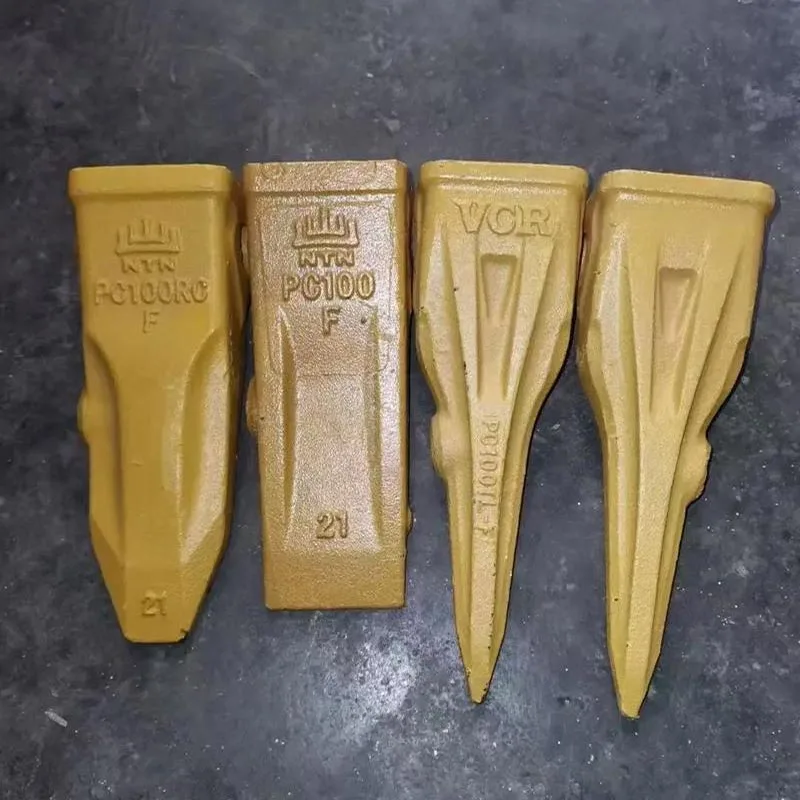
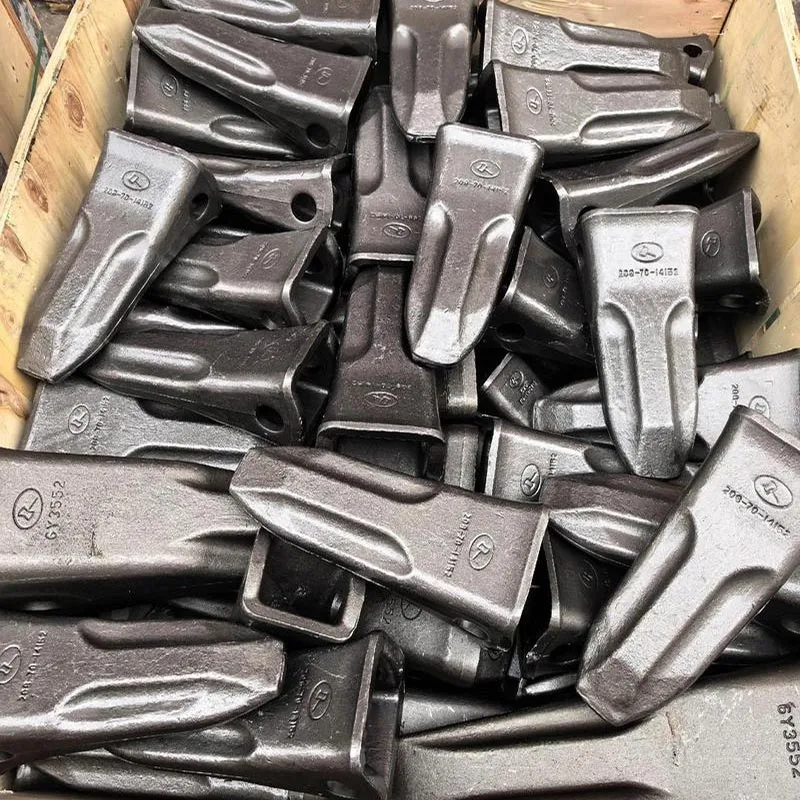
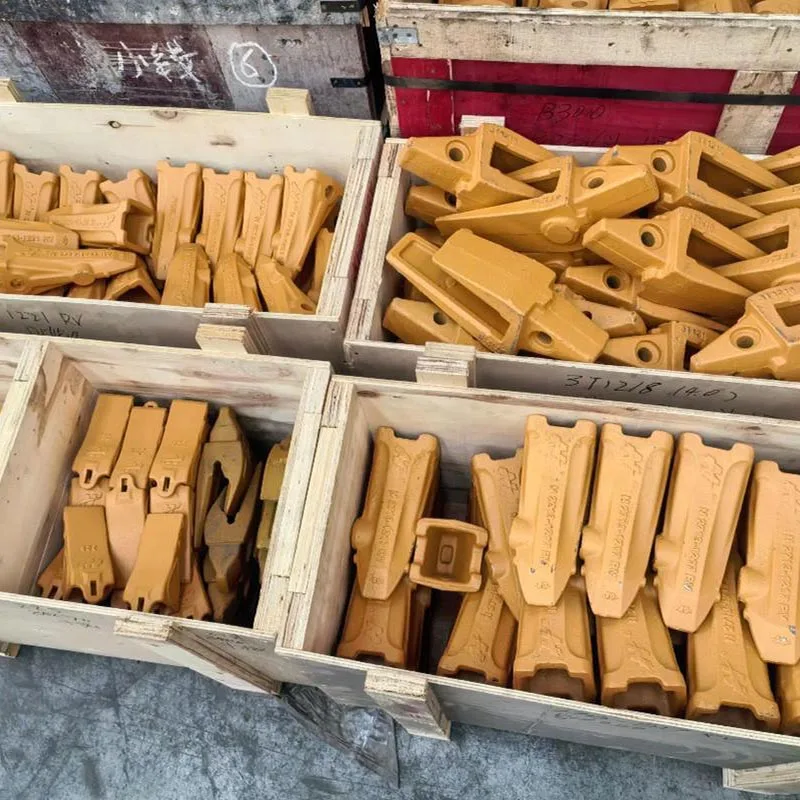
Standard reference parameters, custom‑produced according to project drawing requirements
| Parameter | Technical Specification |
| Material | High‑Chromium Wear‑Resistant Alloy |
| Heat Treatment | Quenching & Tempering |
| Hardness | HRC 42‑50 |
| Tooth Type | Earth / Mining / Rock Bucket Teeth |
| Applicable Excavator Tonnage | 1‑50 ton |
| Surface Treatment | Primer Painting |
| Application Condition | Mining, quarrying, earth‑rock work, infrastructure excavation, construction waste disposal |
| Optional Service | Non‑standard mold customization, complete sets (tooth‑adapter‑pin‑ring), export packing, OEM service |
A1: Defects in material heat treatment, excessive gap between bucket teeth and tooth seats, rough excavation at the site, and mismatch between tooth shape and working conditions can all cause fractures. Comprehensive investigation of the working conditions and accessory status is necessary.
A2: It is not recommended to use overlay welding for repair. Welding will damage the original heat treatment microstructure, significantly reducing the toughness of the gear body. It is prone to fracture during use. When the wear reaches the threshold, it is safer to replace the new part directly.
A3: Yes, we can receive samples for measurement and mold making, as well as casting. The mold production cycle depends on the complexity of the product and takes 15 to 25 working days.
A4: We have our own casting factory. All processes including raw material procurement, casting, heat treatment, and quality inspection are completed internally. The process parameters can be adjusted. Online video factory inspection is supported, ensuring more stable batch quality.
A5: Regular stock available for immediate dispatch within 4-8 working days; Customized mold orders take 15-25 working days. We support both sea and air export logistics services.
Address
Unit1, 128Building, Nanhuxiangjun, Lunan District, Tangshan City, Hebei Province, China
Tel