
Abstract · This article provides a detailed technical examination of Hot Rolled Carbon Steel Sheet, exploring its manufacturing process, mechanical properties, and role in heavy industrial fabrication. The discussion covers rolling technology, steel grades, surface characteristics, and the practical considerations that make hot rolled sheet a fundamental material for construction, machinery, and structural applications.
01. Manufacturing Process and Rolling Technology
Hot Rolled Carbon Steel Sheet is produced by heating steel slabs to temperatures above the recrystallization point, typically between 1,000°C and 1,300°C, and passing them through a series of rollers that reduce the thickness and shape the material.
The high rolling temperature allows the steel to be deformed easily without work hardening, enabling significant thickness reductions in a single pass. After rolling, the sheet is cooled under controlled conditions, which determines its final microstructure and mechanical properties. The hot rolling process produces a characteristic surface finish with a slight oxide scale, which can be removed by pickling or descaling if required.
1,000°C – 1,300°C
Controlled cooling after rolling
Mill finish with oxide scale
02. Steel Grades and Mechanical Properties
General structural steel with good weldability and formability
Higher-strength low-alloy steel for demanding structural applications
North American standard grades for construction and machinery
Yield strength 235–355 MPa; tensile strength 400–510 MPa
The mechanical properties of Hot Rolled Carbon Steel Sheet are determined by its chemical composition and the controlled rolling and cooling process. Carbon content typically ranges from 0.15% to 0.25%, while manganese is added to improve strength and toughness. Microalloying elements such as niobium and vanadium may be used to achieve higher strength grades without sacrificing weldability.
Property Note: Hot rolled sheets generally offer higher strength and lower cost than cold rolled sheets, making them the preferred choice for structural and heavy-duty applications where surface finish is not the primary concern.
03. Surface Characteristics and Dimensional Tolerances
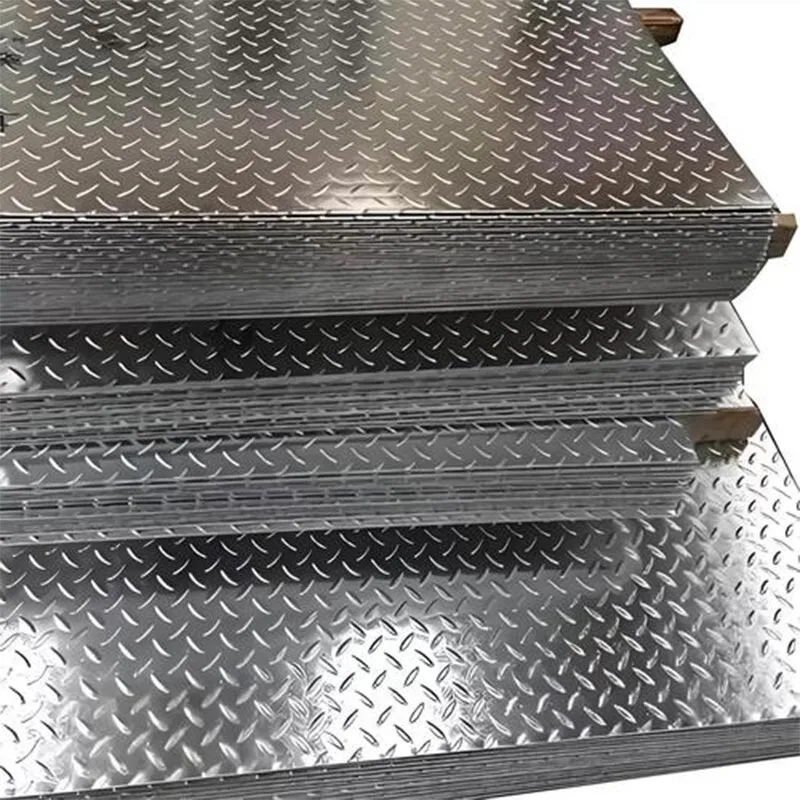
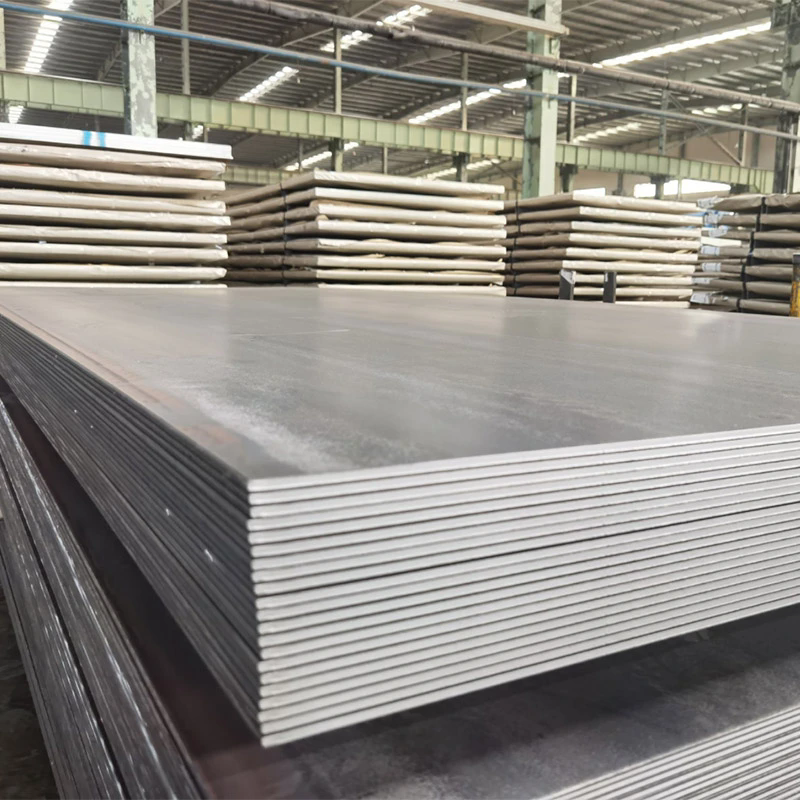
The surface of Hot Rolled Carbon Steel Sheet is characterized by a mill finish with a thin layer of oxide scale. This scale can be left in place for applications where appearance is not critical, or removed by pickling to produce a cleaner surface.
- Mill Finish: Standard hot rolled surface with oxide scale; suitable for structural applications.
- Pickled and Oiled (P&O): Scale removed by acid pickling and oiled to prevent rust; improves weldability and paint adhesion.
- Thickness Tolerance: Typically ±0.2 mm to ±0.5 mm depending on thickness and standard.
- Width Tolerance: Typically ±5 mm to ±10 mm.
- Flatness: Measured as maximum deviation from a straight edge; specified in relevant standards.
04. Weldability and Fabrication Considerations
Hot Rolled Carbon Steel Sheet is readily weldable using conventional welding processes such as MIG, TIG, stick, and submerged arc welding. The weldability depends on the carbon equivalent, with lower carbon grades being easier to weld.
- Carbon Equivalent: Higher carbon content increases hardenability and the risk of cracking; preheating may be required for thicker sections.
- Surface Preparation: Oxide scale should be removed from weld areas to prevent porosity and inclusions.
- Filler Metal Selection: Match the filler metal to the base steel grade and required weld strength.
- Formability: Hot rolled sheets can be bent, rolled, and formed, though thicker grades require more force and larger bend radii.
- Machinability: Good machinability with appropriate cutting tools and speeds.
05. Thickness Ranges and Size Availability
Hot rolled carbon steel sheet is available in a broad range of thicknesses and dimensions to suit different fabrication requirements.
| Parameter | Typical Range | Application Note |
|---|---|---|
| Thickness | 1.5 mm to 25 mm | Thicker sheets for heavy structural use |
| Width | 600 mm to 2,000 mm | Standard and custom widths available |
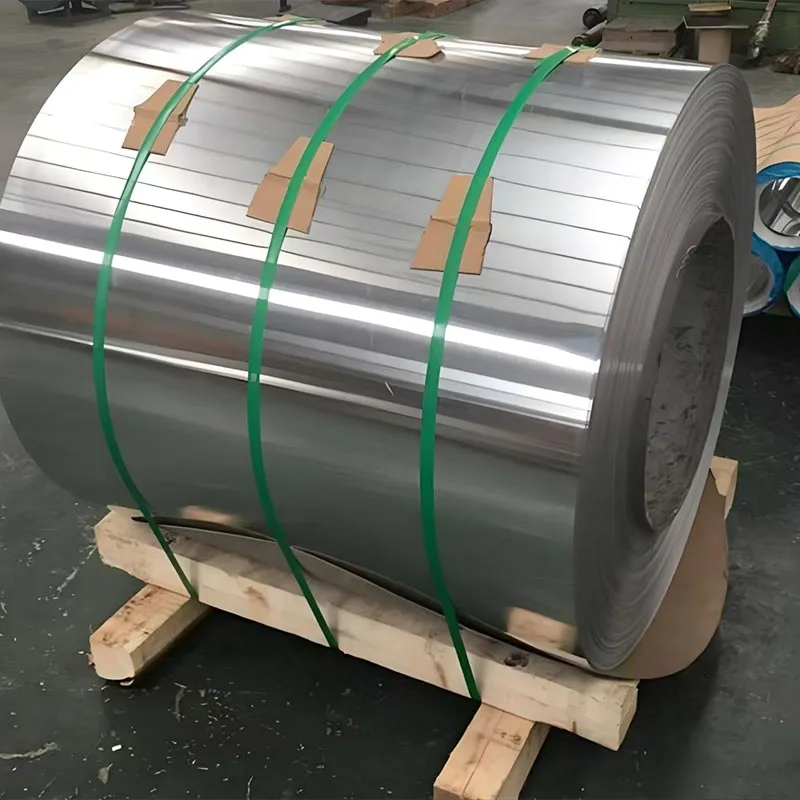
| Length | Up to 12,000 mm | Cut-to-length or coil form |
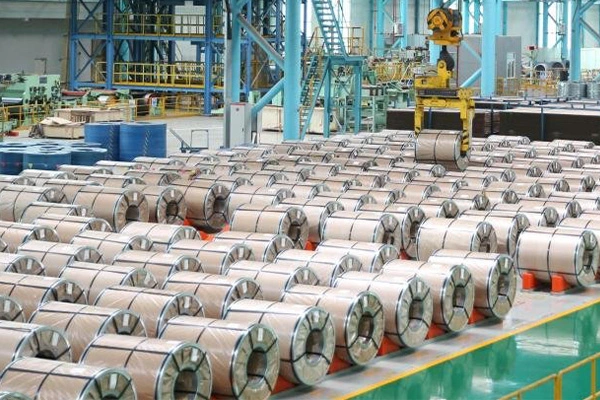
| Coil Weight | 3 to 25 tons | Depends on mill and handling equipment |
| Surface Treatment | Mill, pickled, oiled | Selected based on downstream process |
Based on typical availability for hot rolled carbon steel sheet.
06. Application Domains and Industry Use Cases
Hot Rolled Carbon Steel Sheet is used across a wide range of industries for structural, mechanical, and general fabrication purposes.
- Construction: Structural frames, beams, columns, and building envelopes.
- Machinery: Machine bases, frames, guards, and platforms.
- Automotive: Chassis components, brackets, and structural parts.
- Shipbuilding: Hull plates, deck structures, and bulkheads.
- Energy: Wind turbine towers, transmission structures, and pressure vessels.
- General Fabrication: Storage tanks, containers, and custom steel structures.
The combination of strength, weldability, and availability makes hot rolled carbon steel sheet a foundational material for heavy industrial fabrication.
Frequently Asked Questions
Product specifications and availability may vary. Always consult the manufacturer's documentation for your specific application requirements.