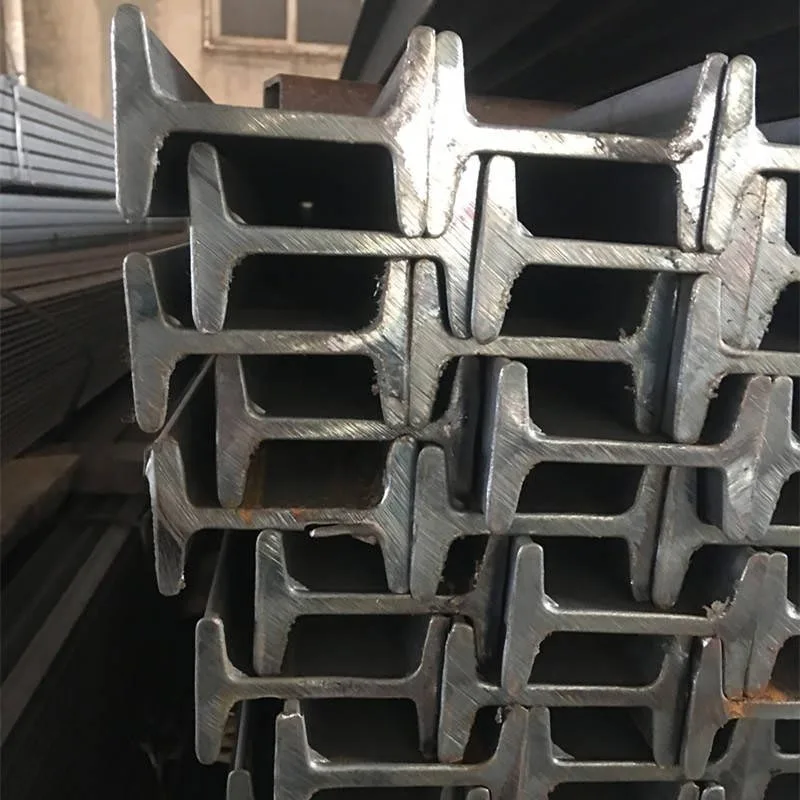
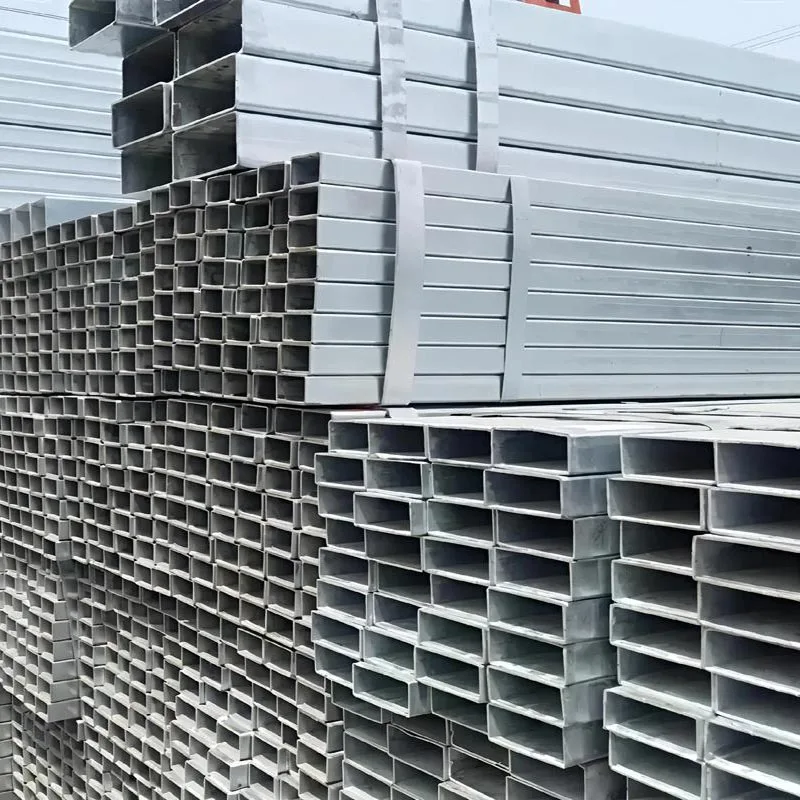
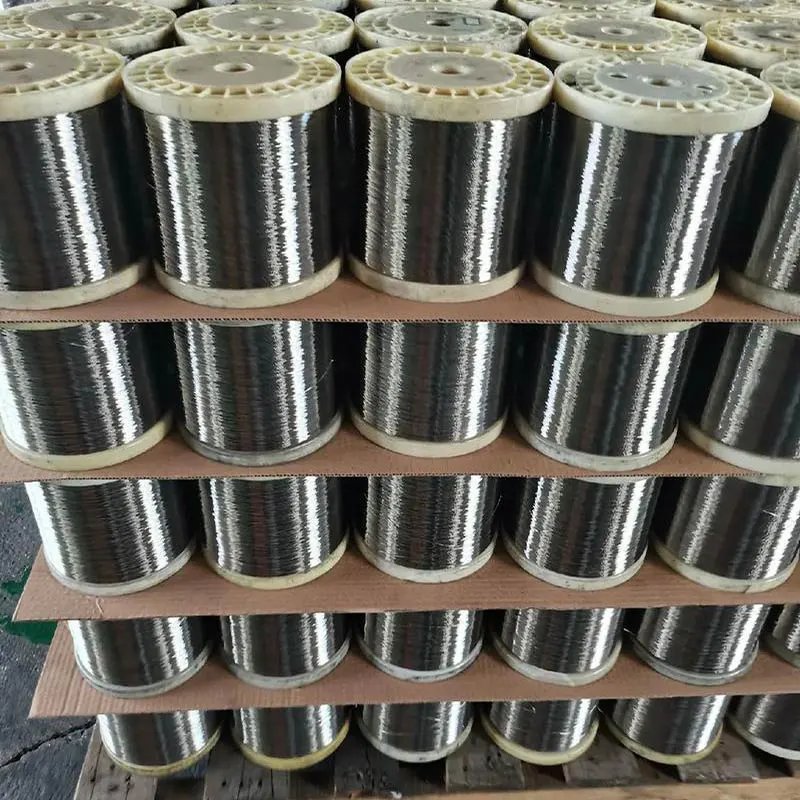
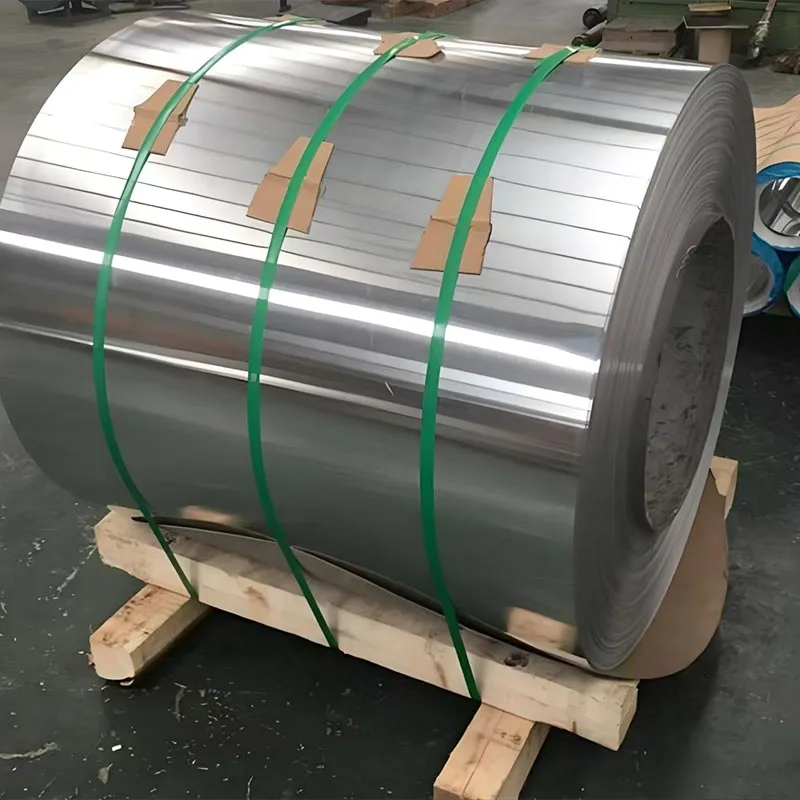
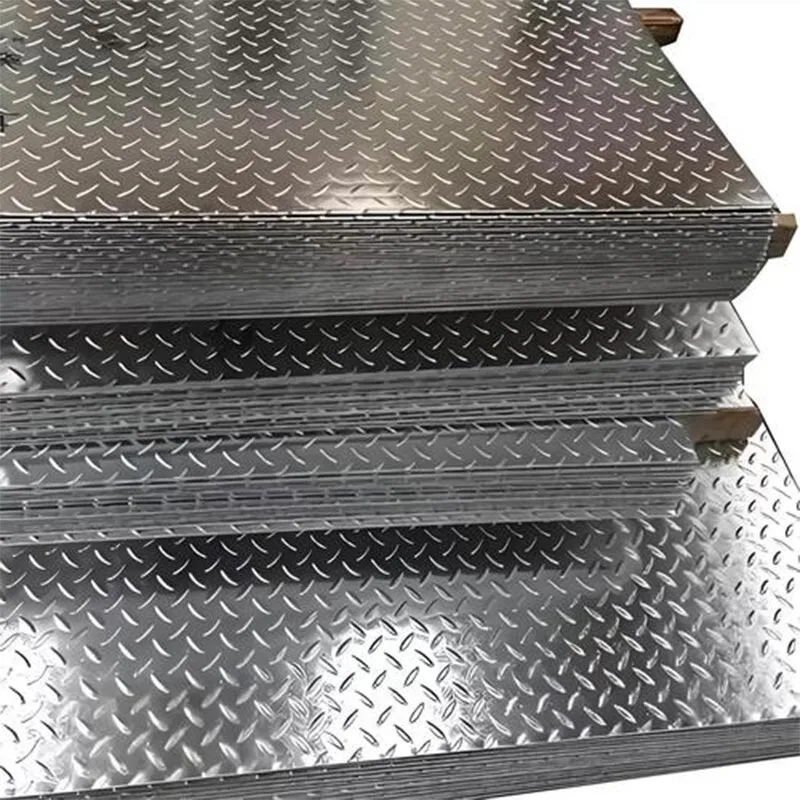
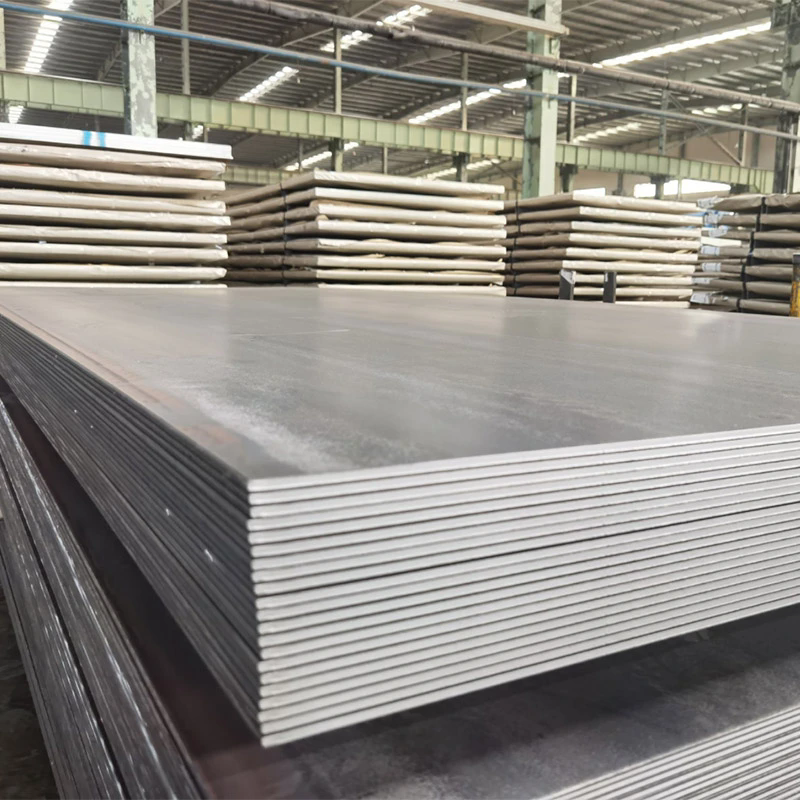
Steel plate is a flat steel product with a thickness of 3 mm or more, typically delivered in cut-to-length or multiple-length form. By thickness, 3-20 mm is classified as medium plate, 20-60 mm as heavy plate, and above 60 mm as extra-thick plate. Unlike coil, plate is delivered in flat form, enabling direct welding, cutting, and machining without the need for decoiling.
The product advantage of steel plate lies in its wide thickness coverage, flexible specifications, and broad range of adjustable properties. Through different process routes such as controlled rolling, normalizing, and quenching-and-tempering, slabs of the same chemical composition can yield products with strengths ranging from 235 MPa to over 690 MPa, meeting requirements from ordinary building structures to polar offshore platforms.
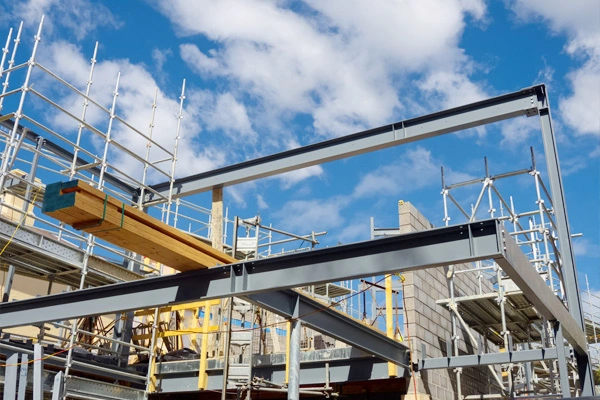
In terms of grade systems, general structural plate is represented by ASTM A36 and EN 10025 S355. The former, with its excellent weldability and machinability, is the world‘s most widely used plate grade, applied in building frames, bridges, and general machinery. The latter dominates European infrastructure projects with its higher strength classes . Pressure vessel plate follows ASTM A516, with Grade 70 being the most common for boilers, storage tanks, and oil and gas processing equipment.
High-end grades are reshaping plate demand structure. Offshore wind monopile foundations have reached 11 meters in diameter and 150 mm in wall thickness, imposing stringent low-temperature toughness requirements on grades such as S355G10+N delivered in normalized or TMCP condition, with each gigawatt of offshore wind capacity consuming approximately 70,000 tons of plate . In wear-resistant plate, 500-Brinell quenched-and-tempered grades have extended liner replacement cycles in mining truck beds from 8,000 to 14,000 hours, becoming a critical consumable for autonomous haul fleets .
Shipbuilding plate follows classification society rules, with normal strength grades A and B being most common, while high-strength grades cover AH32, DH36, and similar designations with explicit requirements for low-temperature impact toughness and weldability. In building and bridge applications, weathering steel is increasingly adopted, using the synergistic effect of copper, chromium, and nickel to form a dense rust layer that inhibits further corrosion.
We use cookies to offer you a better browsing experience, analyze site traffic and personalize content. By using this site, you agree to our use of cookies. Privacy Policy