Send Inquiry
Products

Products

Steel Wire Ropes Manufacturer for Durable and Reliable Lifting Solutions

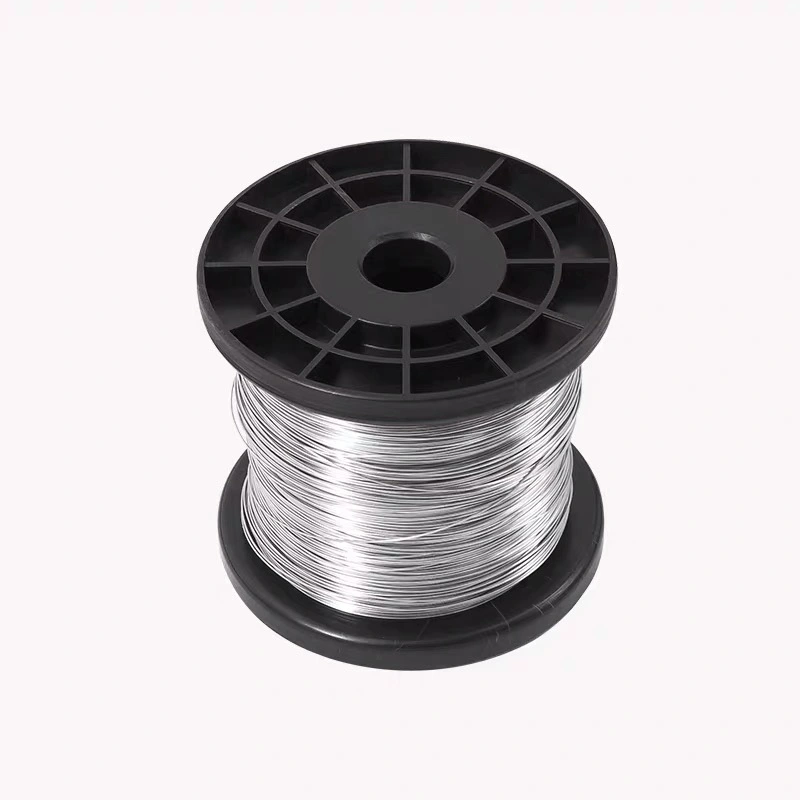
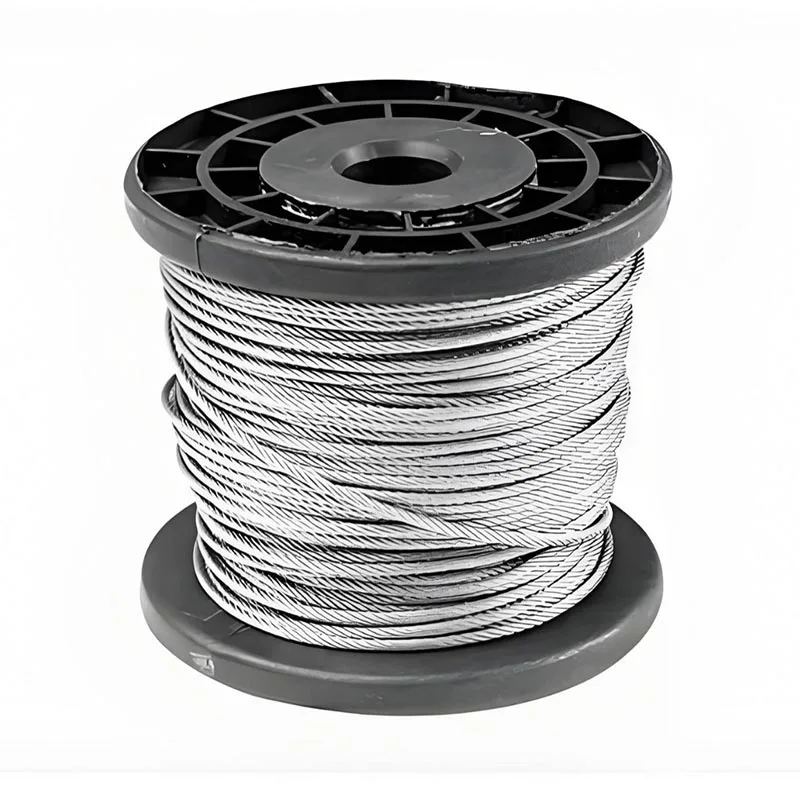
Steel Wire Rope is one of the most critical load-bearing components used across lifting, rigging, mining, marine, construction, and industrial applications. At YS STEEL, we manufacture steel wire ropes under strict quality control to meet ASTM, EN, ISO, and GB/T standards. Our products cover diameters from 1.5 mm to 160 mm, tensile strengths up to 2160 MPa, and surface finishes including bright, galvanized, and stainless steel. Whether you need a compact 6x19 construction for general lifting or a highly flexible 6x36 rope for crane and winch operations, YS STEEL delivers consistent performance, long service life, and full traceability. Every batch is tested for breaking load, fatigue resistance, and dimensional accuracy before shipment.

Technical Specifications

The following technical parameters define our standard steel wire rope range. Custom constructions are available for OEM and special projects.

Construction Types and General Properties

  • 6x7: 6 strands, each with 7 wires; low flexibility, high abrasion resistance; suitable for guy lines, static rigging, and straight-line loads.
  • 6x19: 6 strands, each with 19 wires; medium flexibility, high crush resistance; widely used for lifting, hoisting, winch lines, and general engineering.
  • 6x36: 6 strands, each with 36 wires; high flexibility, good fatigue resistance; ideal for crane ropes, boom hoists, and applications with multiple sheave bends.
  • 6x37: 6 strands, each with 37 wires; similar to 6x36 but with slightly different wire arrangement; used in elevators, drilling lines, and industrial lifting.
  • 8x19: 8 strands, each with 19 wires; high flexibility and smooth operation; common for elevator ropes and high-speed applications.
  • 35x7: 35 strands, each with 7 wires; rotation-resistant design; used for tower cranes and single-part lifting where rope spin must be controlled.
  • Compacted strand ropes: 6xK36WS, 8xK26WS, and similar; smoother surface, improved fatigue life, and reduced wear on sheaves.

Core Options

  • FC (Fiber Core): Polypropylene or sisal core; lighter weight, more flexible, but lower crush resistance.
  • IWRC (Independent Wire Rope Core): A separate wire rope core; higher strength, better dimensional stability, and greater crush resistance.
  • WSC (Wire Strand Core): A single strand core; offers balance between flexibility and structural support.
  • Synthetic Core: High-performance polymer core; reduces weight and improves bending fatigue in certain marine environments.

Surface Finish and Corrosion Protection

  • Bright (Self-colored): Uncoated, lubricated during production; for indoor and low-corrosion environments.
  • Galvanized: Hot-dip or electro-galvanized; Class A or Class B zinc coating for outdoor and marine exposure.
  • Stainless Steel: AISI 304, 316, or 316L; excellent corrosion resistance for chemical, food, and offshore use.
  • Zinc-Aluminum Alloy Coated: Enhanced corrosion resistance compared to standard galvanizing; suitable for aggressive atmospheres.

Mechanical Properties and Breaking Loads

The tables below show typical values for YS STEEL standard ropes. Actual values may vary slightly depending on core type, lubrication, and specific manufacturing batch. Always refer to the mill certificate provided with each shipment.

Table 1: 6x19 IWRC Steel Wire Rope – Nominal Diameter, Weight, and Minimum Breaking Load (Tensile Grade 1770 MPa)

Diameter (mm) Approx. Weight (kg/100 m) Minimum Breaking Load (kN) Minimum Breaking Load (kgf)
6 13.0 21.0 2,140
8 23.1 37.4 3,810
10 36.1 58.5 5,960
12 52.0 84.2 8,580
14 70.8 114.6 11,680
16 92.5 149.7 15,260
18 117.0 189.4 19,310
20 144.5 233.6 23,810
22 175.0 282.4 28,780
24 208.0 336.0 34,250
26 244.0 394.0 40,160
28 282.0 456.0 46,480
32 369.0 596.0 60,750

Table 2: 6x36 IWRC Steel Wire Rope – Nominal Diameter, Weight, and Minimum Breaking Load (Tensile Grade 1960 MPa)

Diameter (mm) Approx. Weight (kg/100 m) Minimum Breaking Load (kN) Minimum Breaking Load (kgf)
14 69.5 126.0 12,840
16 90.8 164.6 16,780
18 115.0 208.4 21,240
20 142.0 257.2 26,220
22 172.0 311.2 31,720
24 205.0 370.6 37,780
26 240.0 435.0 44,340
28 278.0 504.0 51,370
32 363.0 658.0 67,070
36 459.0 833.0 84,910
40 567.0 1,028.0 104,800
44 686.0 1,244.0 126,800

YS STEEL also supplies ropes with tensile grades 1570 MPa, 1770 MPa, 2160 MPa, and compacted strand constructions. Higher tensile grades offer greater breaking load for the same diameter but may reduce bending fatigue life. Our engineering team can help select the optimum balance for your application.

Common Applications

Steel Wire Ropes are used wherever heavy loads must be lifted, pulled, secured, or supported. The specific construction and diameter depend on load magnitude, number of sheaves, drum size, speed, and environmental exposure. At YS STEEL, we serve sectors including:

  • Lifting and hoisting: Overhead cranes, gantry cranes, jib cranes, electric hoists, and manual chain blocks.
  • Marine and offshore: Mooring lines, towing ropes, trawl wires, anchor lines, and shipboard rigging.
  • Mining: Shaft hoisting, balance ropes, guide ropes, and draglines in underground and surface mines.
  • Construction: Tower cranes, mobile cranes, piling rigs, and temporary support cables.
  • Oil and gas: Drilling lines, sand lines, winch lines, and well servicing ropes.
  • Elevators and escalators: Suspension ropes, governor ropes, and compensation ropes.
  • Aerial ropeways: Track ropes, haulage ropes, and tension ropes for passenger and material transport.
  • Utilities and forestry: Winch lines, skidding ropes, and transmission line pulling ropes.

How to Select the Right Steel Wire Rope

Selecting the correct steel wire rope requires careful evaluation of several factors. Using the wrong construction can lead to premature failure, increased downtime, and serious safety risks. YS STEEL recommends the following selection process:

  • Determine the working load: Calculate the maximum static load the rope must support. Include dynamic forces from acceleration, shock, and wind.
  • Apply the appropriate safety factor: For lifting applications, a minimum safety factor of 5:1 is common. For hoisting personnel, 8:1 or 10:1 is required. Refer to applicable regulations such as ASME B30, EN 13000, or ISO 4308.
  • Select the construction: If the rope runs over many sheaves or small drums, choose a flexible construction like 6x36 or 8x19. If the load is primarily static or the rope experiences high surface wear, 6x7 or 6x19 may be better.
  • Choose the core: IWRC is recommended for heavy loads, multi-layer drum winding, and high crush conditions. FC is suitable for lighter loads and rarely bent around sheaves.
  • Match the surface finish to the environment: Use galvanized or stainless steel for outdoor, marine, or chemical exposure. Bright finish is acceptable in clean, dry indoor conditions.
  • Verify drum and sheave dimensions: The minimum D/d ratio (drum or sheave diameter divided by rope diameter) should typically be 20:1 to 25:1 for 6x19 and 6x36 ropes. Lower ratios reduce bending fatigue life.
  • Confirm length and end terminations: Order the correct reel length and specify any end fittings. YS STEEL can pre-cut lengths and install sockets or swaged fittings.


Frequently Asked Questions

What is the difference between 6x19 and 6x36 steel wire rope?

6x19 construction has 6 strands, each made of 19 wires, giving fewer but larger outer wires. This provides good abrasion and crush resistance but moderate flexibility. It is best for general lifting, winch lines, and applications where the rope passes over fewer sheaves or at slower speeds. 6x36 construction uses 6 strands with 36 smaller wires each. The smaller wires make the rope more flexible and better able to withstand bending fatigue when running over multiple sheaves or small-diameter drums. However, the thinner outer wires are more susceptible to surface wear and corrosion. If your application involves frequent bending, high line speeds, or numerous sheaves, 6x36 is usually the better choice. YS STEEL stocks both constructions in multiple diameters and surface finishes.

How do I determine the minimum breaking load for my steel wire rope application?

The minimum breaking load, also called breaking strength, is the force required to break a new rope under a straight pull test. To select a rope, first calculate the maximum working load your application will impose. Then multiply that load by the required safety factor. For example, if your maximum load is 2,000 kg and the safety factor is 5:1, the rope must have a minimum breaking load of at least 10,000 kg. Compare this value with the manufacturer's table for the specific construction and tensile grade. YS STEEL provides breaking load tables for all standard ropes. Always use the minimum breaking load shown in the mill certificate rather than a calculated approximate value. If the rope will be used in bending over sheaves, you should also check the fleet angle and D/d ratio to prevent premature fatigue failure.

What core type should I choose: fiber core or IWRC?

The core supports the strands and helps maintain the rope's cross-sectional shape during bending and under load. A fiber core is lighter, more flexible, and provides better shock absorption, but it has lower crush resistance and can deform under high pressure or multi-layer spooling. An independent wire rope core, or IWRC, is a smaller wire rope used as the core. It increases breaking load by about 7% to 10% compared with the same diameter fiber core rope, improves dimensional stability, and resists crushing when wound in multiple layers on a drum. IWRC is recommended for heavy lifting, crane hoists, excavator ropes, and any application with high bearing pressure. Fiber core is suitable for static lines, light-duty hoists, and applications where weight is a concern. YS STEEL can supply both core types for most constructions.

Should I use galvanized or stainless steel wire rope?

The choice depends on the operating environment and the required corrosion resistance. Galvanized Steel Wire Ropes have a zinc coating that protects the steel from rust in outdoor, humid, or lightly corrosive environments. It is more economical than stainless steel and offers high strength. Hot-dip galvanizing provides a thicker zinc layer than electro-galvanizing. Stainless steel wire rope, typically grade 304 or 316, offers superior corrosion resistance and is used in marine, chemical, food processing, and offshore applications. Stainless steel has lower strength than high-carbon steel rope of the same diameter, so you may need a larger diameter to achieve the same breaking load. YS STEEL supplies bright, galvanized, and stainless steel options to cover a full range of environments. For saltwater immersion, 316 stainless steel or heavily galvanized rope is recommended.
View as  
 
Hot-Dipped Galvanized Steel Wire Rope

Hot-Dipped Galvanized Steel Wire Rope

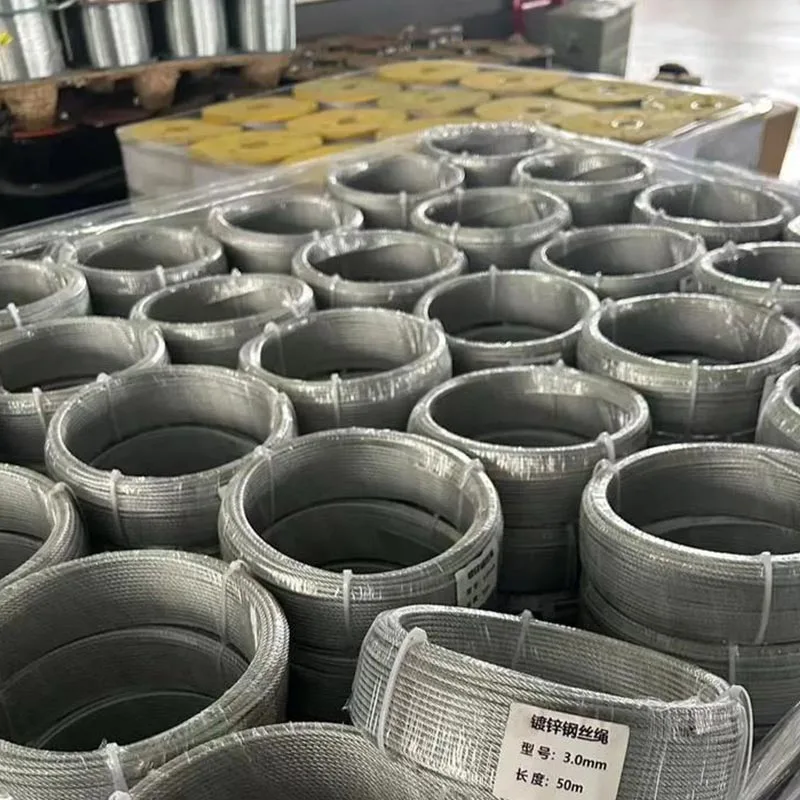
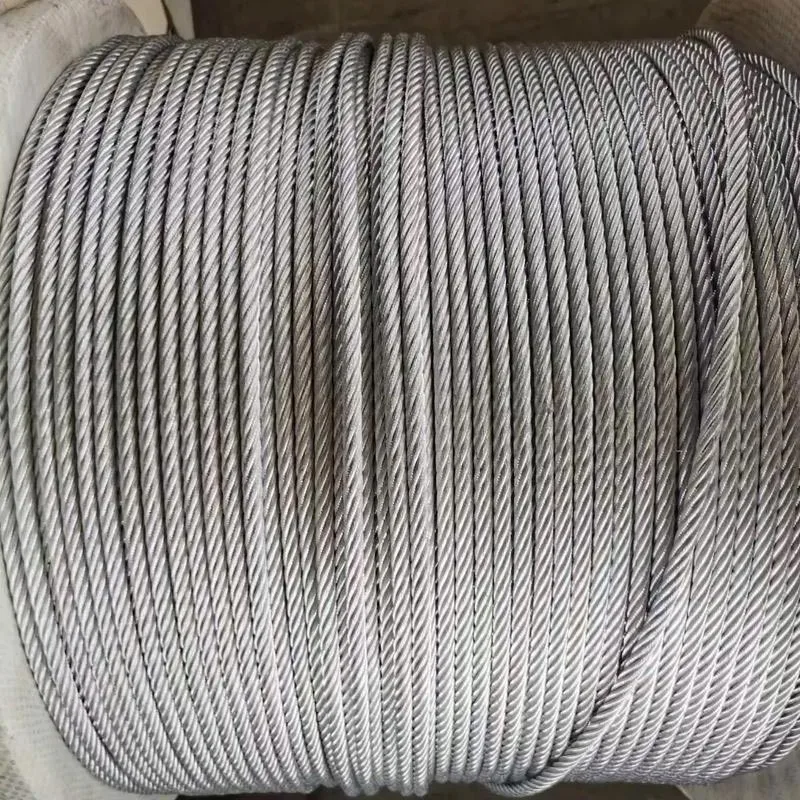
YS STEEL has its own factories and can provide you with high-quality Hot-Dipped Galvanized Steel Wire Rope. We use high-quality high-carbon steel wire rods and manufacture them through multiple passes of drawing, twisting and hot-dip galvanizing processes. The hot-dip zinc coating has good adhesion and uniform thickness, providing reliable surface anti-corrosion protection. We offer customization services, including fixed-length cutting, end pressing and special packaging.
Electro-Galvanized Steel Wire Rope

Electro-Galvanized Steel Wire Rope

YS STEEL electro-galvanized steel wire rope is precisely stranded from high-quality high-carbon steel wires through room-temperature electrochemical plating. Different from high-temperature hot-dip galvanizing, it avoids high-temperature tempering strength loss and fully retains the original mechanical performance of steel wires. The finished rope features uniform bright zinc coating, smooth burr-free surface and high dimensional accuracy with controllable tolerance, delivering excellent indoor rust-proof, flexible bending and low-friction operation performance.
304 Stainless Steel Wire Rope

304 Stainless Steel Wire Rope

YS STEEL 304 stainless steel wire rope is precisely stranded from refined 304 austenitic stainless steel wires. Adopting intrinsic material anti-corrosion technology instead of traditional galvanized coating protection, it delivers long-term rust-proof, acid and alkali resistant, salt spray resistant performance with high cleanliness, non-magnetic property and excellent fatigue resistance.
316 Stainless Steel Wire Rope

316 Stainless Steel Wire Rope

YS STEEL's China 316 stainless steel wire rope is a maritime-grade special rigging product. The core difference lies in the addition of molybdenum elements within the steel, which is specifically modified through alloying to resist chloride ions, seawater salt fog, and acid-base media. The product is available in two internal structures: fiber core FC and steel core IWRC. It is formed by precisely twisting multiple steel wires and does not rely on subsequent coating for corrosion prevention. The material itself inherently possesses anti-corrosion properties.
PVC Nylon Coated Stainless Steel Wire Rope

PVC Nylon Coated Stainless Steel Wire Rope

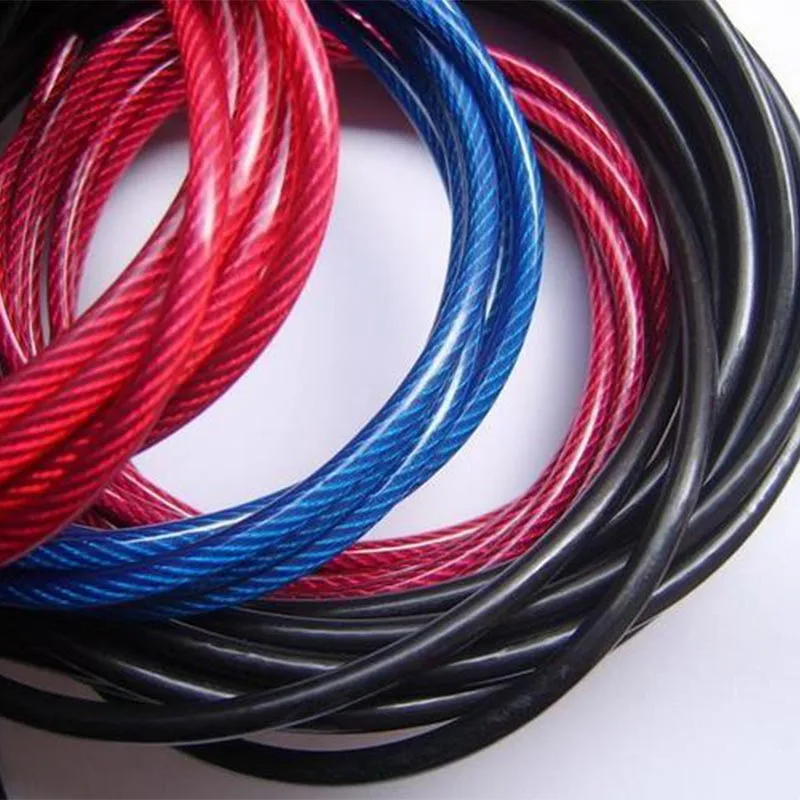
The PVC Nylon Coated Stainless Steel Wire Rope produced by YS STEEL factory adopts a steel-plastic composite structure. The rope core, which is made of 304 or 316 stainless steel and twisted, serves as the main load-bearing component. The outer layer is covered with a PVC or nylon protective layer through a high-temperature integrated extrusion process.
YS STEEL is a professional Steel Wire Ropes manufacturer and supplier in China. We warmly welcome you to wholesale high quality products at competitive price from our factory.
X
We use cookies to offer you a better browsing experience, analyze site traffic and personalize content. By using this site, you agree to our use of cookies. Privacy Policy
RejectAccept