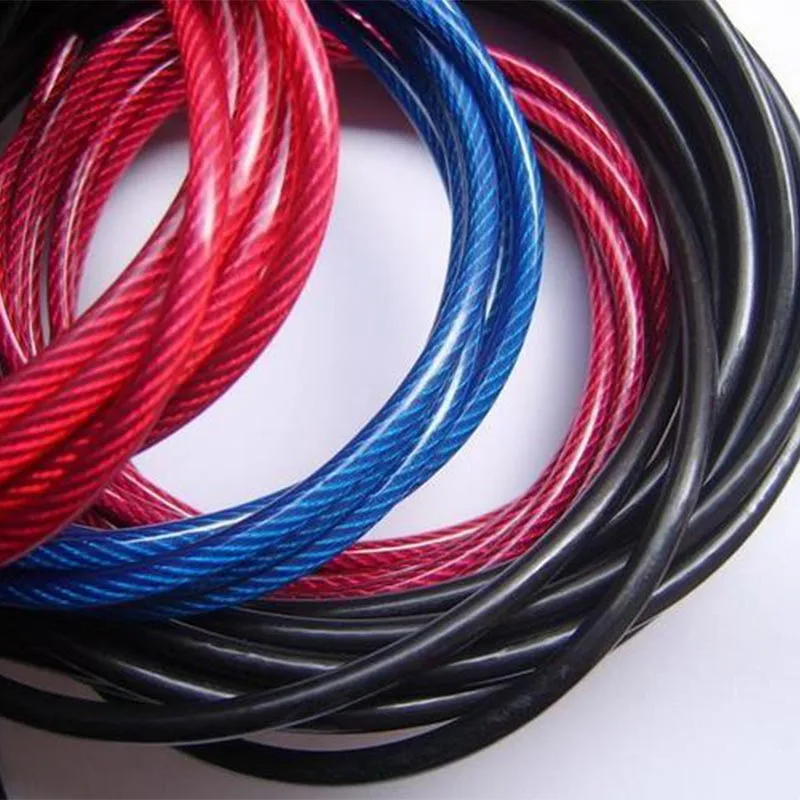
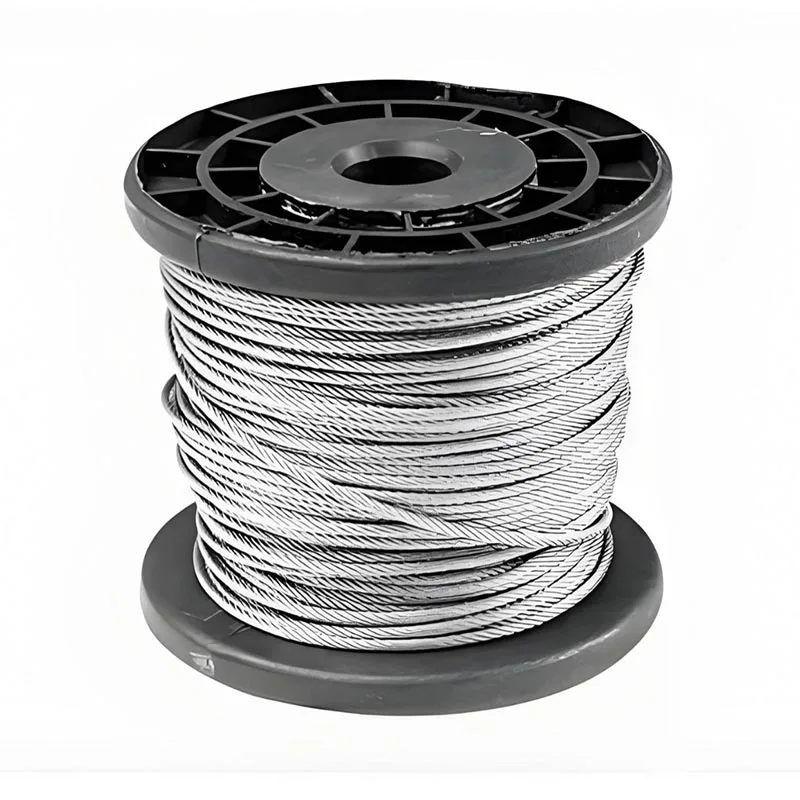
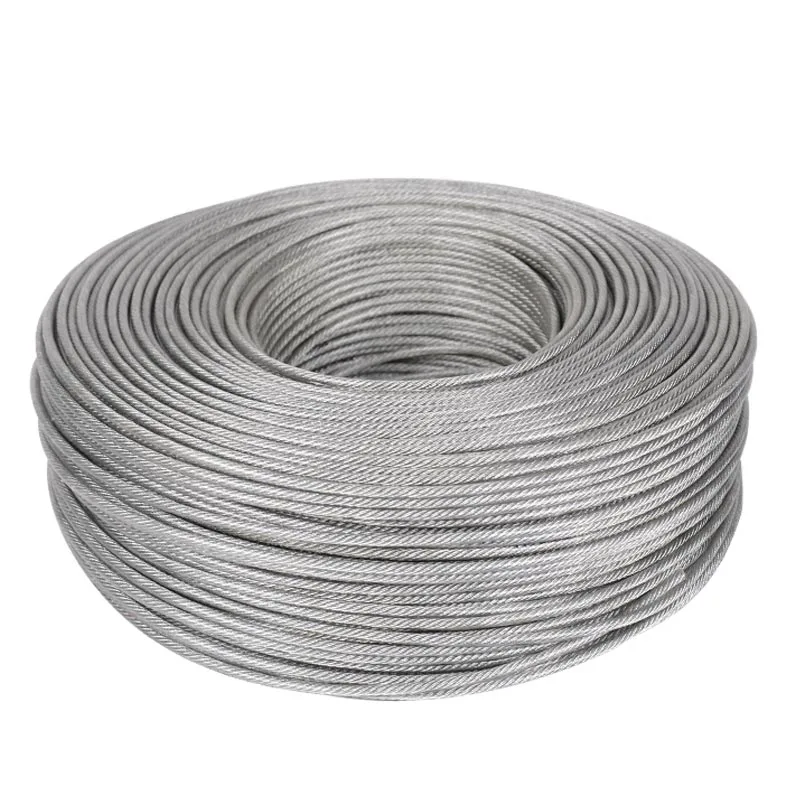
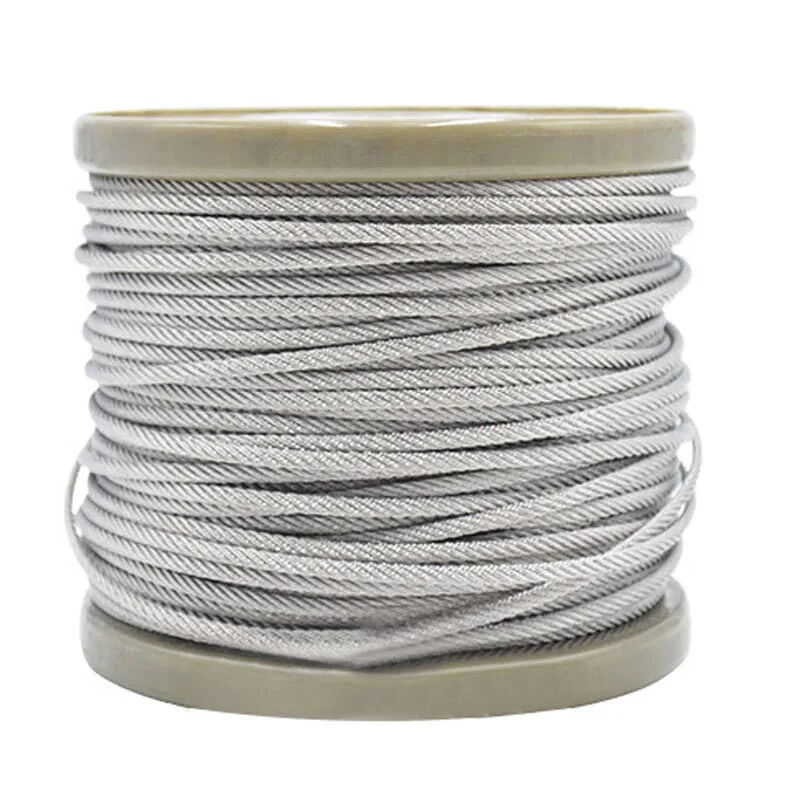
The 316 stainless steel wire rope supplied by YS STEEL manufacturers is not a simple upgraded ordinary stainless steel rope but is a structural load-bearing component for harsh and corrosive environments.
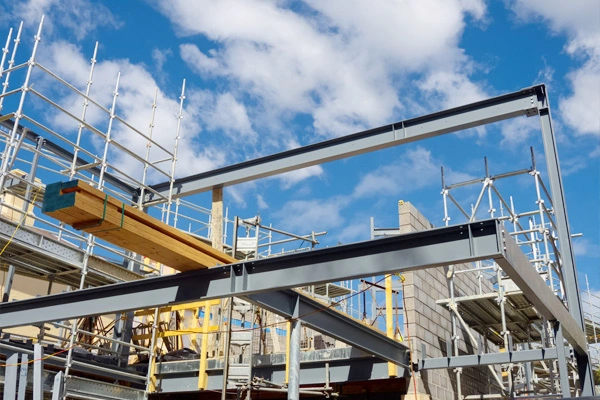
It is mainly used in offshore new energy, coastal curtain walls, marine aquaculture, chemical equipment, and other projects where ordinary steel cannot perform for a long time. It can not only bear the structural tension load but also be used for precision equipment with requirements for remanent magnetism and cleanliness.
We provide spot-on and polished, demagnetized, and end treatment processing services to overseas engineering general contractors, special equipment manufacturers, and cross-border high-end traders.
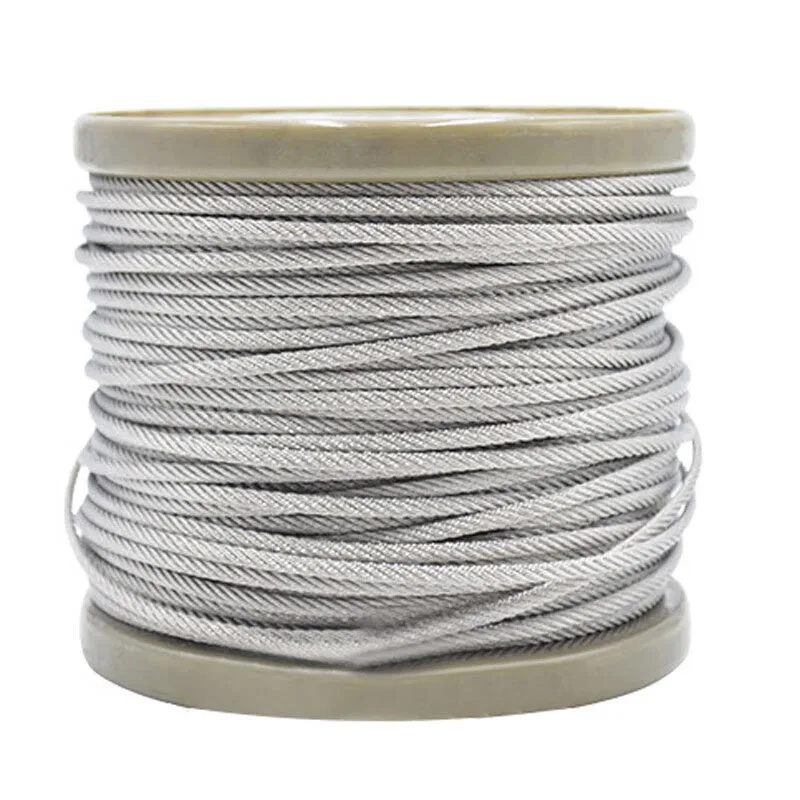
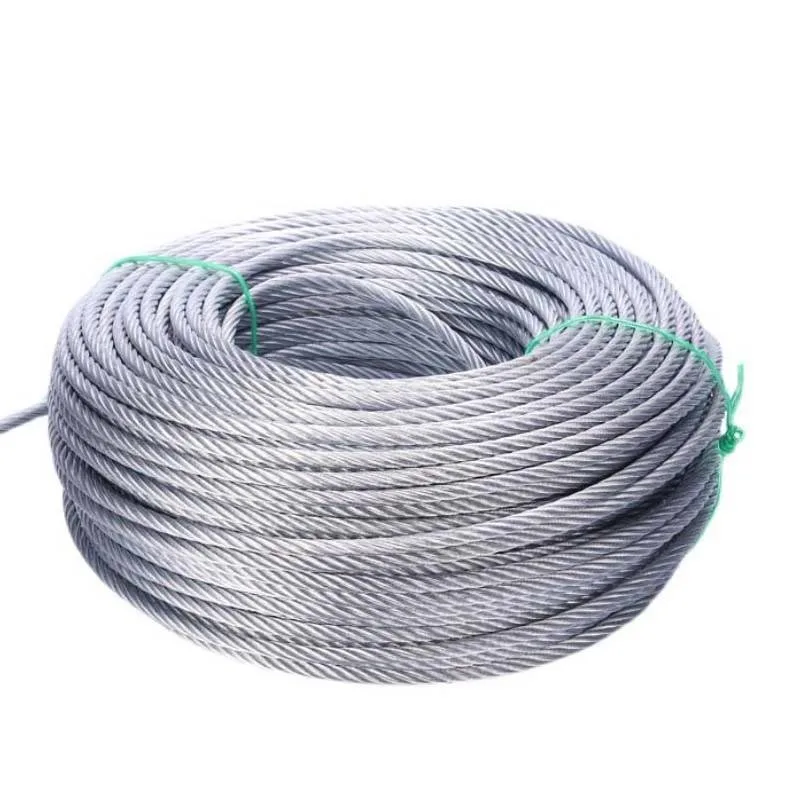
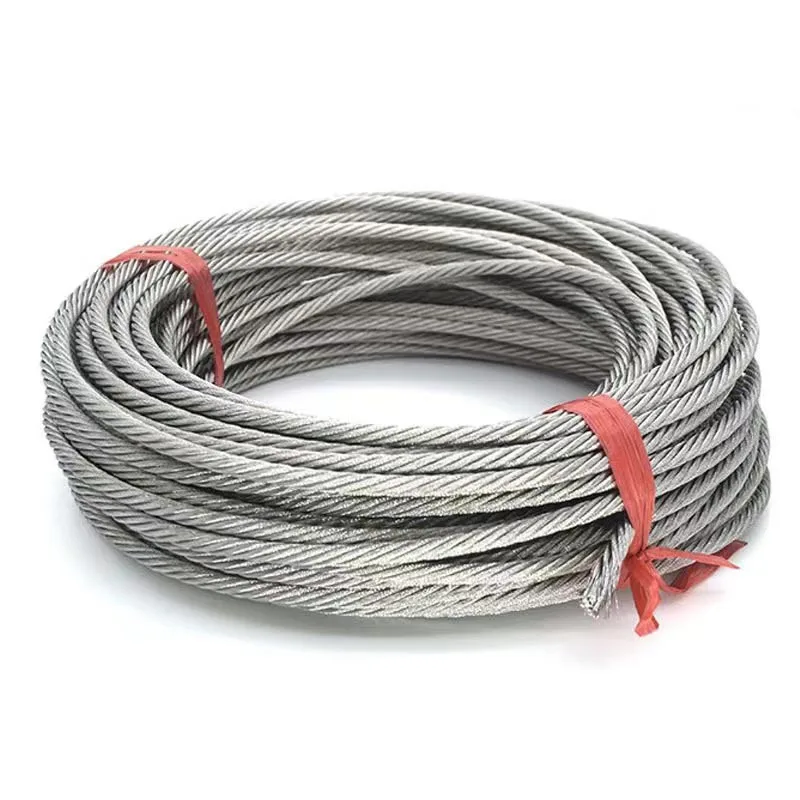
The entire process is carried out around the three core goals of "controlling twisting stress, ensuring anti-corrosion stability, and controlling residual magnetism", which is different from the production chain of ordinary stainless steel wire ropes.
Verify the molybdenum content and mechanical properties of 316 steel wires upon entry, and screen out raw materials with components to avoid point corrosion risks from the source.
Straighten the steel wires pre-straightening to eliminate rolling residual stress and prevent the release of torque and loosening of wire strands.
Twist the wires in layers according to the parameters of FC fiber core and IWRC steel core to control the twisting distance and achieve uniform steel wire stress, reducing alternating bending fatigue loss.
Perform shaping after twisting to stabilize the rope structure, reduce creep, and inhibit torsional deformation.
Perform mirror polishing and deburring as needed; execute demagnetization in precise conditions to control residual magnetic flux.
Test the breaking force, salt fog performance, dimensions, and residual magnetism in batches to fully retain the test records.
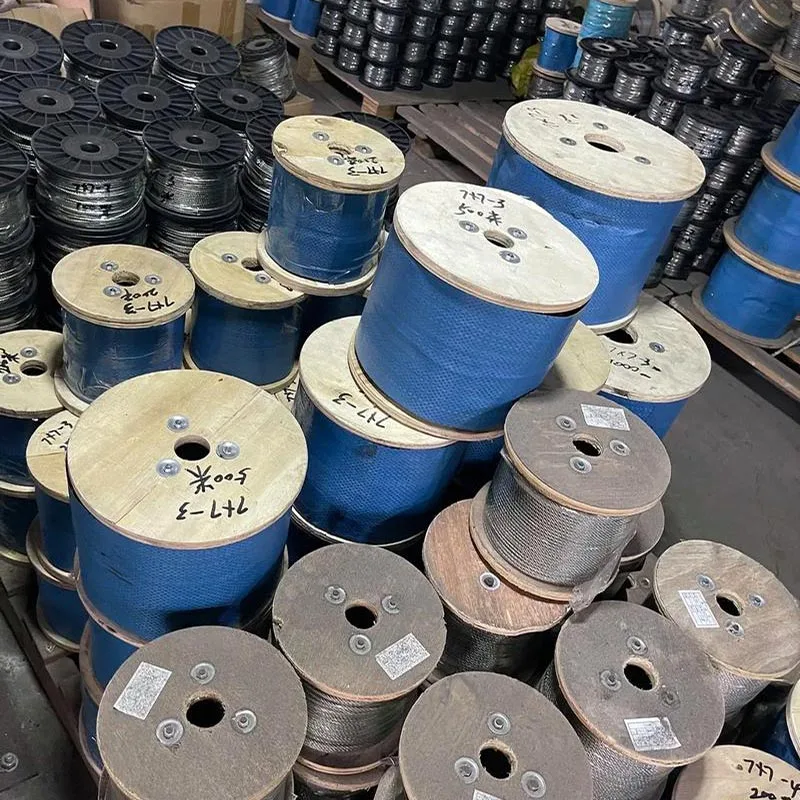
Complete length cutting, end trimming, and use wooden or steel shafts for export packaging to protect the passivation layer from transportation bumps.
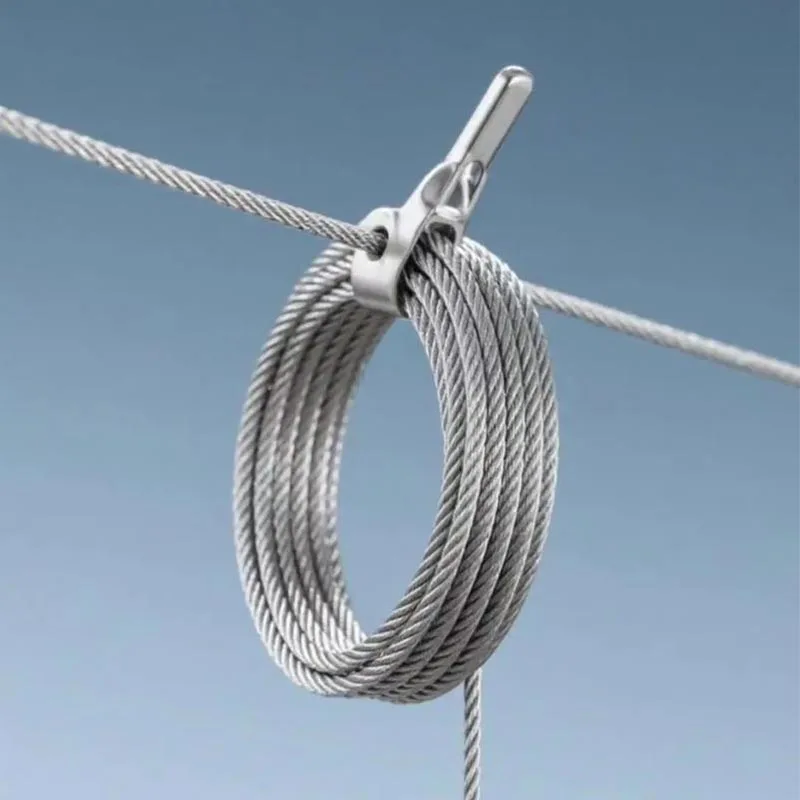
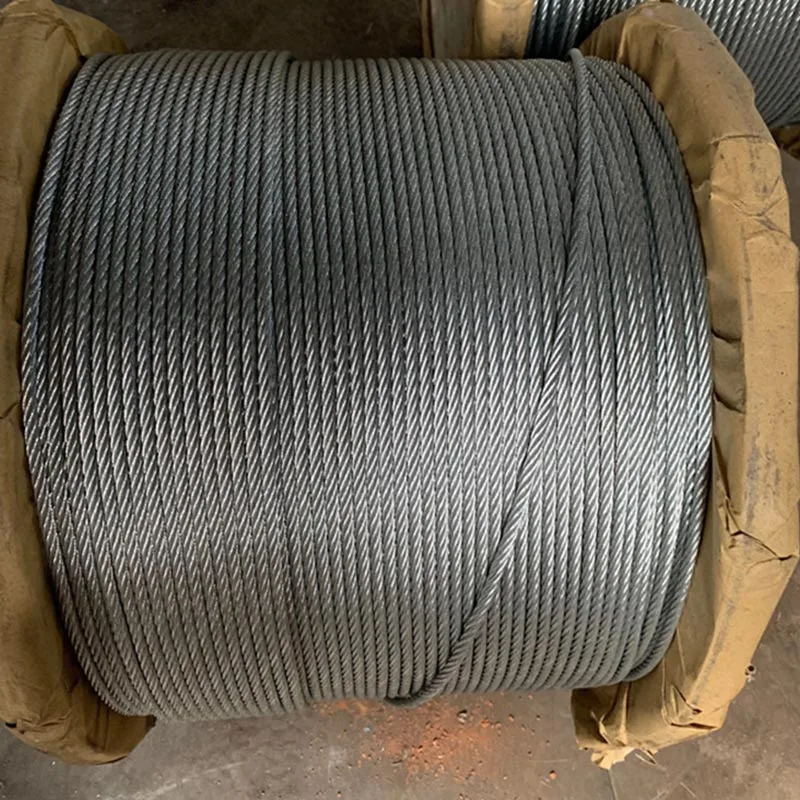
| Item | Specification |
| Execution Standard | GB/T 20118-2017、ASTM A368、ISO 2408、EN 12385 |
| Material Grade | Molybdenum-Containing 316 Austenitic Stainless Steel |
| Core Type | FC、IWRC/ FC Fibre Core, IWRC Steel Core |
| Construction | 1×7、1×19、7×7、7×19、6×19、6×37 |
| Diameter Range | 0.3mm - 32mm,Non-Standard Custom Available |
| Tensile Strength | 1570MPa / 1770MPa |
| Surface Finish | Mirror Polished, Anti-Oxidation Finished, Burr-Free |
| Core Performance | Seawater Resistant, Salt Spray Resistant, Acid-Alkali Resistant, Non-Magnetic, Fatigue Resistant |
| Application Environment | Coastal, Marine, Chemical, High-Humidity Heavy-Corrosion Conditions |
| Custom Service | Fixed‑length cutting, mirror re‑polishing, end finishing, demagnetization treatment, non‑standard processing |
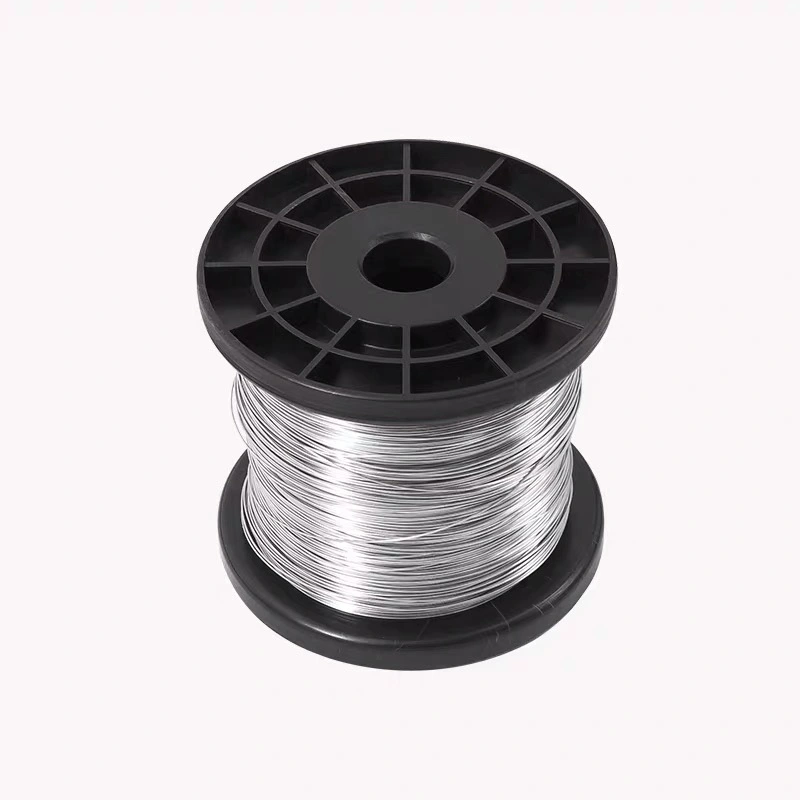
| Packaging | Wooden Reel, Steel Reel, Premium Coil Export Packing |
Relying on the substrate's own corrosion resistance, without depending on the surface coating
Dual-core structure is suitable for different engineering requirements
Low residual magnetism, suitable for special precision scenarios
Twisting process reduces the risk of fatigue failure
Balancing structural strength and appearance quality
Project-level quality control and delivery support
A1: In a chloride ion environment, 304 is prone to pitting corrosion and will experience localized rusting within a short period of time. It is not suitable for long-term coastal or seawater immersion conditions. It is recommended to choose 316 marine grade instead.
A2: For flexibility, choose fiber core; for higher breaking strength, anti-compression, and heavy-load tension scenarios, IWRC steel core should be preferred.
A3: 316 can withstand seawater environment, but it is still necessary to avoid the continuous grinding of the surface passivation film by sand and stones. We can provide corresponding installation and operation suggestions.
A4: We support mirror surface re-polishing, demagnetization treatment, fixed-length cutting, and end trimming. We can also complete non-standard processing according to overseas project drawings.
A5: Each batch comes with material, salt spray, and mechanical test reports. It is also subject to third-party inspections by SGS and BV, and can meet the requirements for overseas project inspection and customs clearance.
A6: Regular specifications are available in stock, and small orders can be delivered quickly; for large engineering orders, production schedules will be followed to execute, and long-term framework supply agreements can be signed.
Address
Unit1, 128Building, Nanhuxiangjun, Lunan District, Tangshan City, Hebei Province, China
Tel