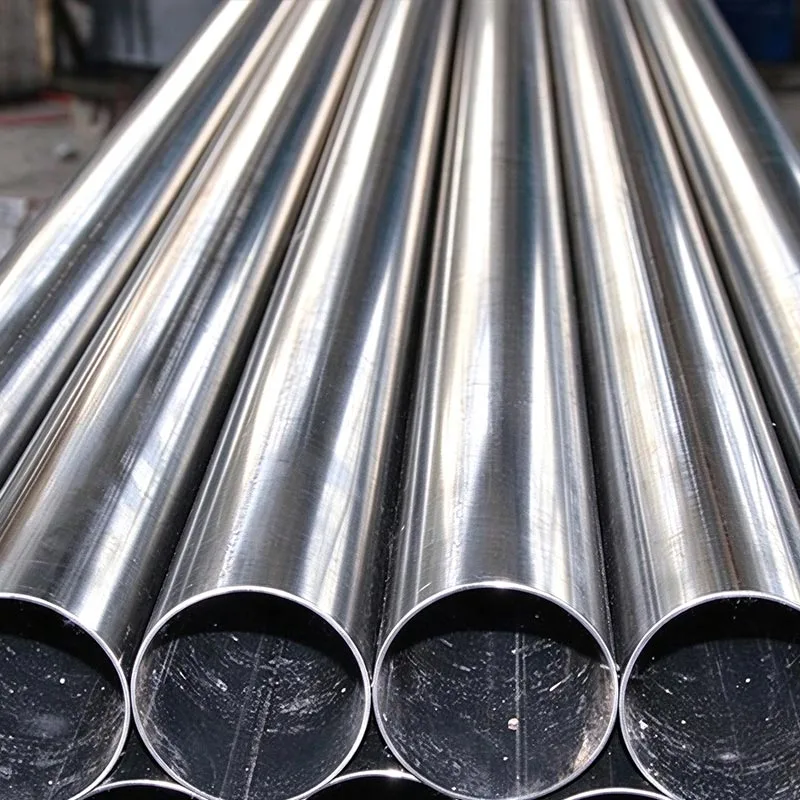
Steel pipe is a hollow-section steel product, classified by manufacturing process into two main categories: seamless and welded. Seamless pipe is produced by piercing and rolling a solid billet, creating a product with no weld seam and superior pressure-bearing capacity, with outer diameters ranging from capillary tubes to large-diameter line pipe. Welded pipe uses steel plate or strip as feedstock, formed and welded after rolling, offering high production efficiency and flexible specifications for extensive use in construction and machinery.
Seamless pipe is subdivided by application into oil country tubular goods, line pipe, boiler tube, and hydraulic support tube. Oil country tubular goods follow API 5CT standards covering grades J55, N80, and P110, serving as consumables in oil and gas exploration. Line pipe conforms to API 5L specifications, with grades from X42 to X80 used for long-distance transmission of crude oil and natural gas, with pipe ends typically beveled for field girth welding. Boiler tube is dominated by grades such as 20G and 15CrMoG, with strict requirements for high-temperature creep strength and oxidation resistance.
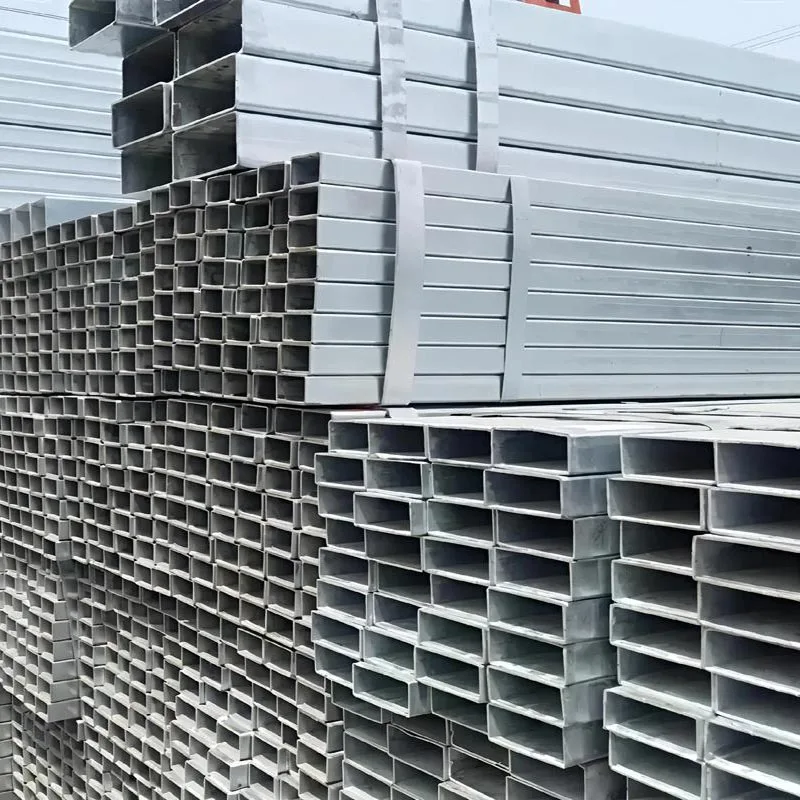
Welded pipe offers a broader variety. High-frequency straight-seam welded pipe is widely used in low-pressure fluid transmission and structural support due to its thin wall and low cost. Spiral welded pipe uses coiled plate formed in a helical pattern, enabling production of large-diameter pipe from narrower strip, extensively used in municipal water supply and drainage and piling projects. Straight-seam submerged-arc welded pipe is formed through UOE or JCOE processes, with large diameter and heavy wall thickness, serving as core material for long-distance pipelines and offshore platform legs. Galvanized pipe applies a hot-dip zinc coating to welded pipe, significantly enhancing atmospheric corrosion resistance, and dominates fire protection, gas, and building water supply systems.
From fluid transmission to structural support, the product spectrum of steel pipe covers virtually every foundational sector of modern industry. Oil and gas extraction relies on seamless oil country tubular goods, municipal networks depend on the economics of welded pipe, long-distance trunk lines rely on the reliability of large-diameter submerged-arc welded pipe, and building fire protection benefits from the durability of galvanized pipe. Underground pipeline renovation, energy infrastructure, and manufacturing upgrading are creating differentiated growth avenues for each pipe and tube category.
We use cookies to offer you a better browsing experience, analyze site traffic and personalize content. By using this site, you agree to our use of cookies. Privacy Policy