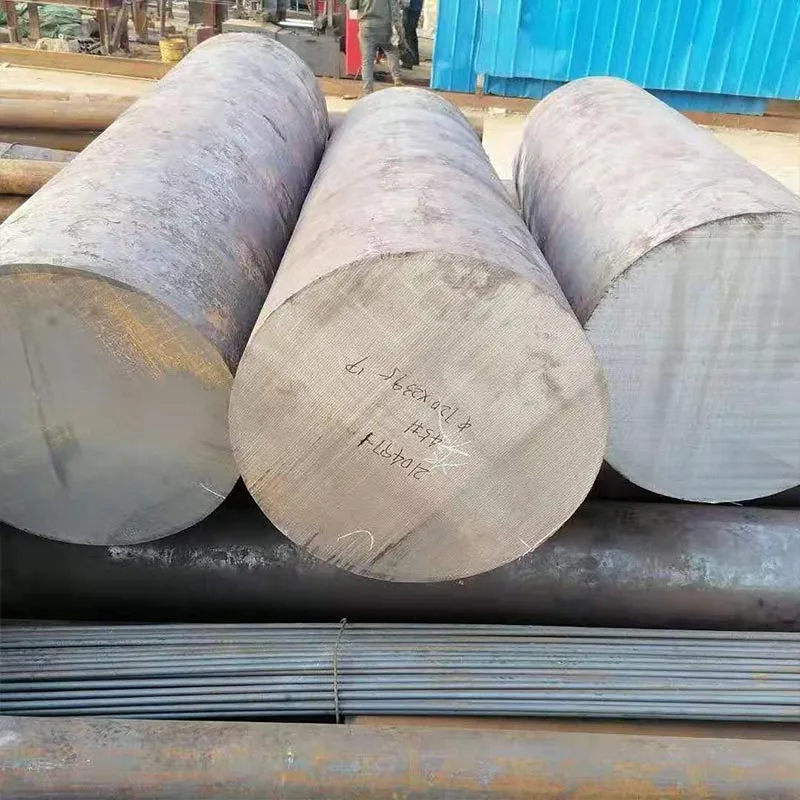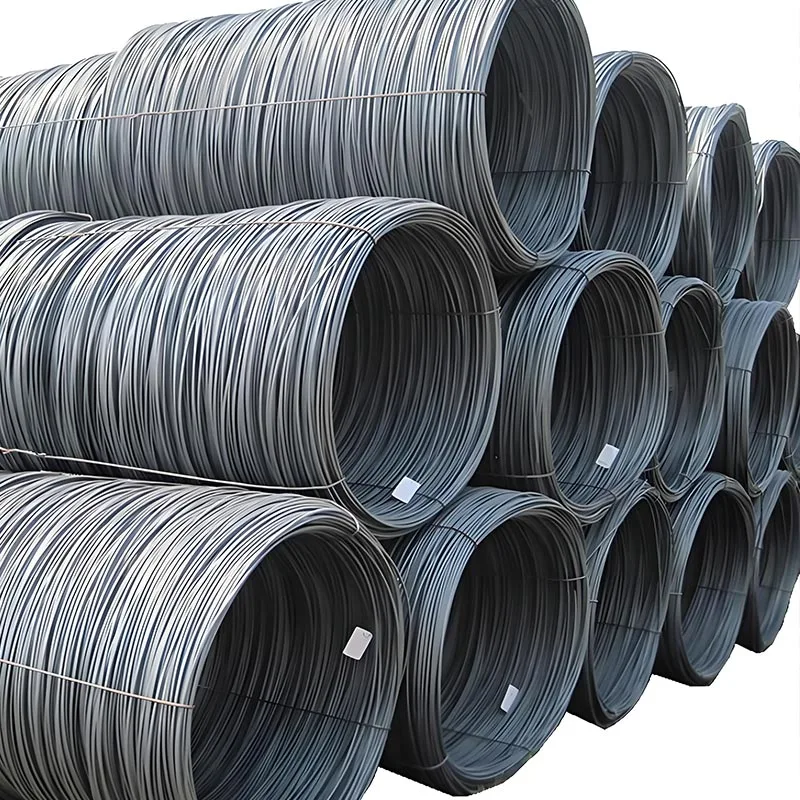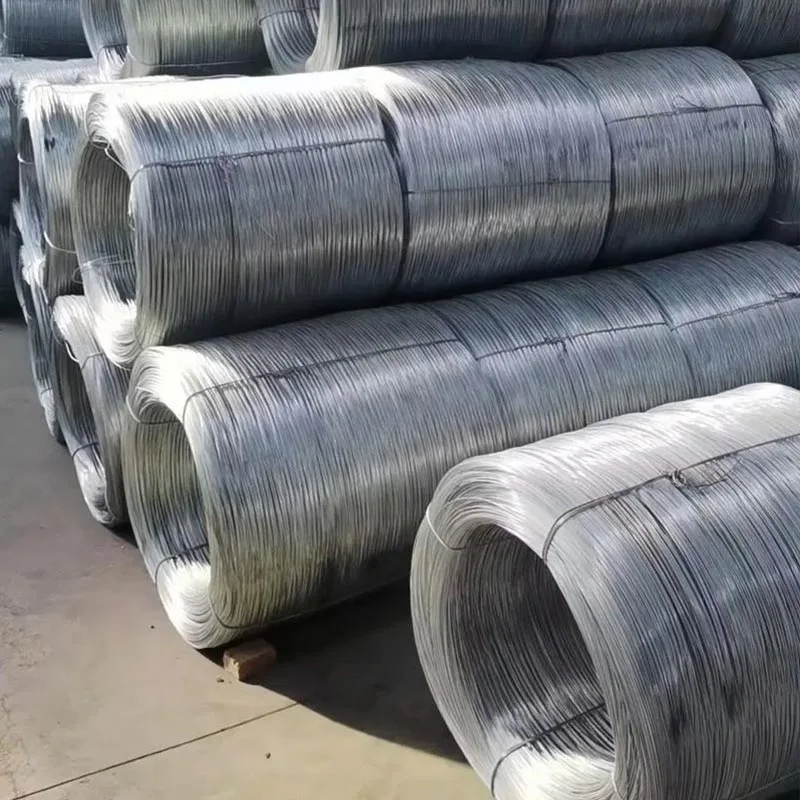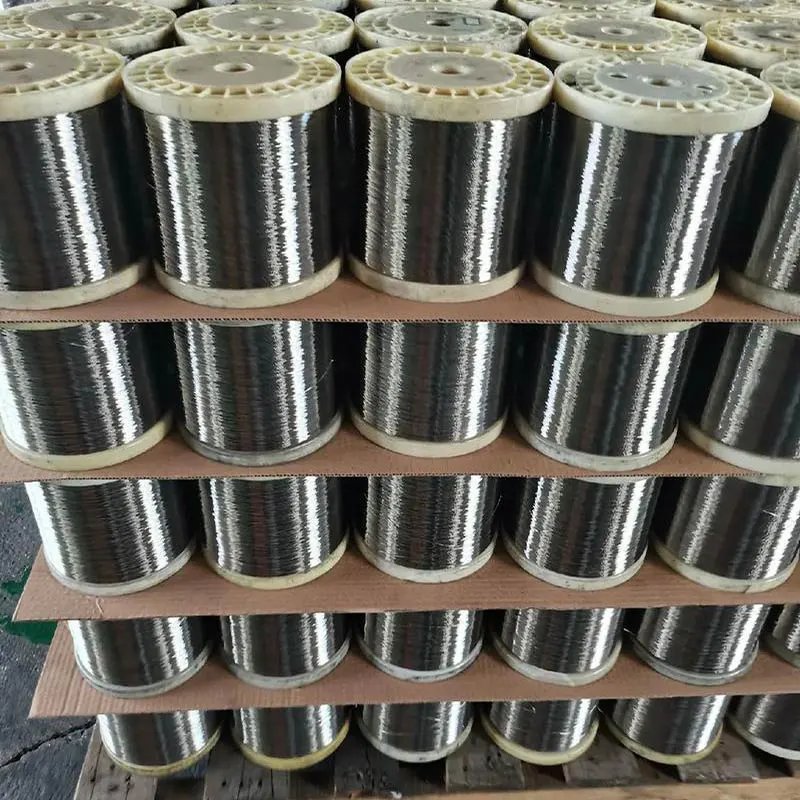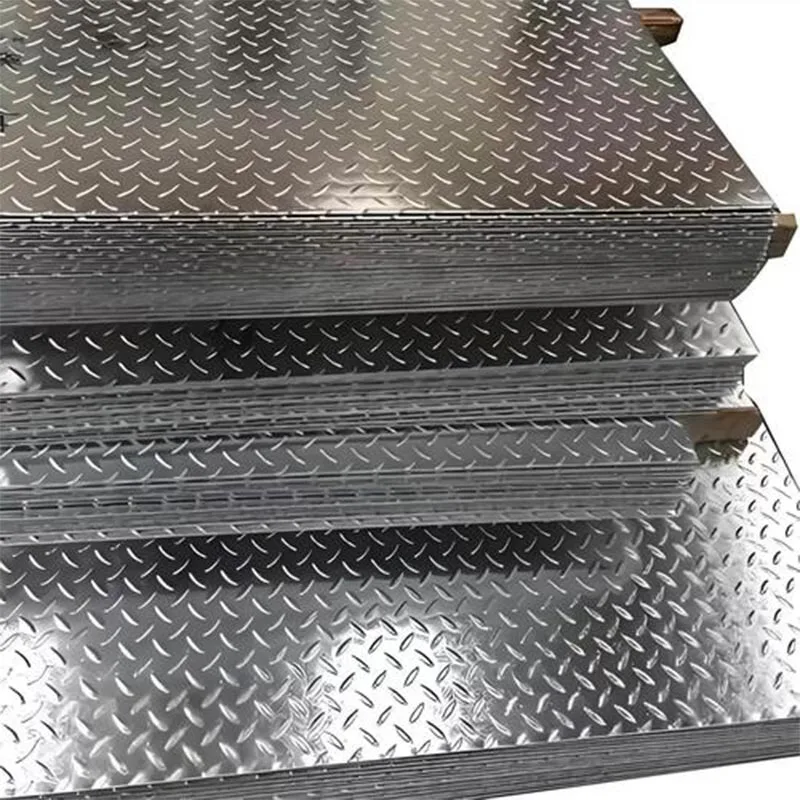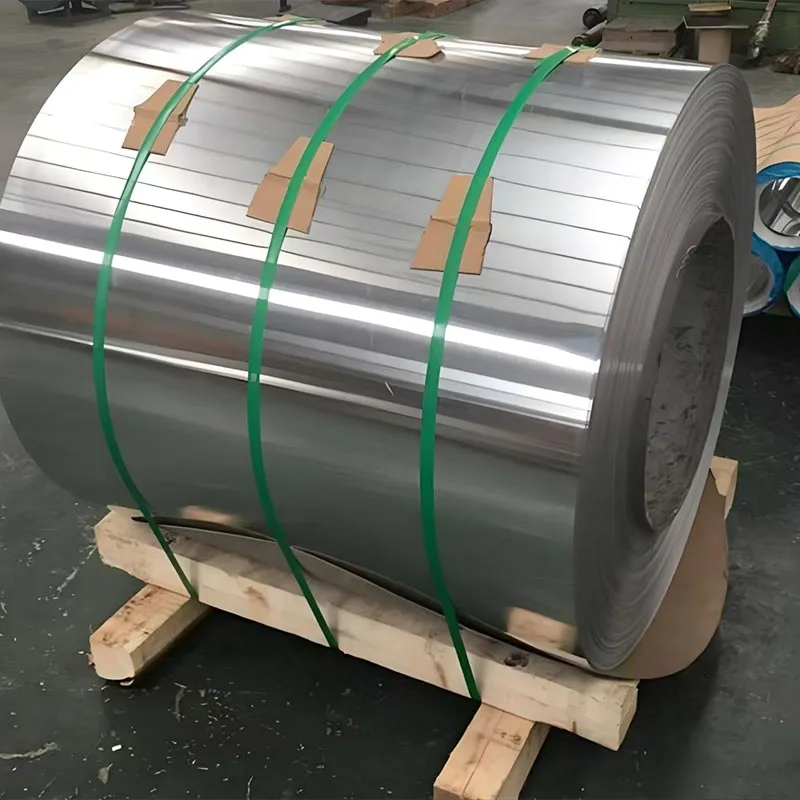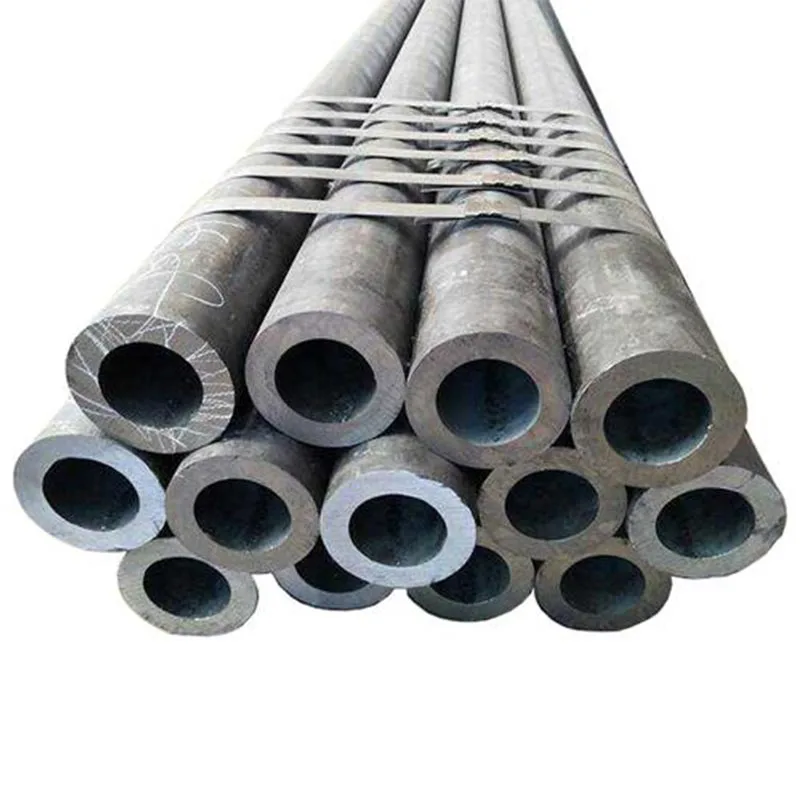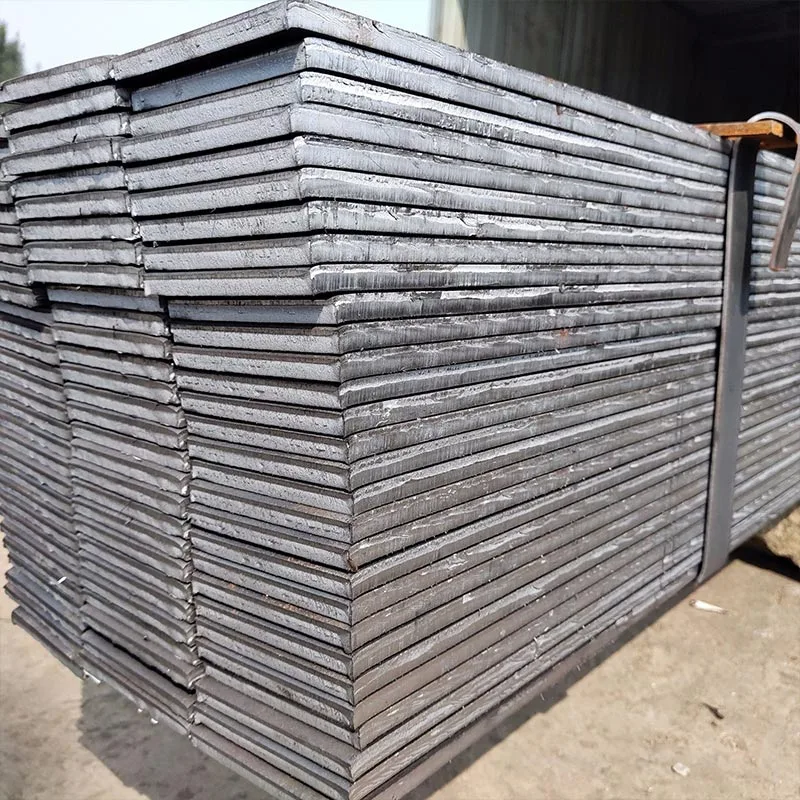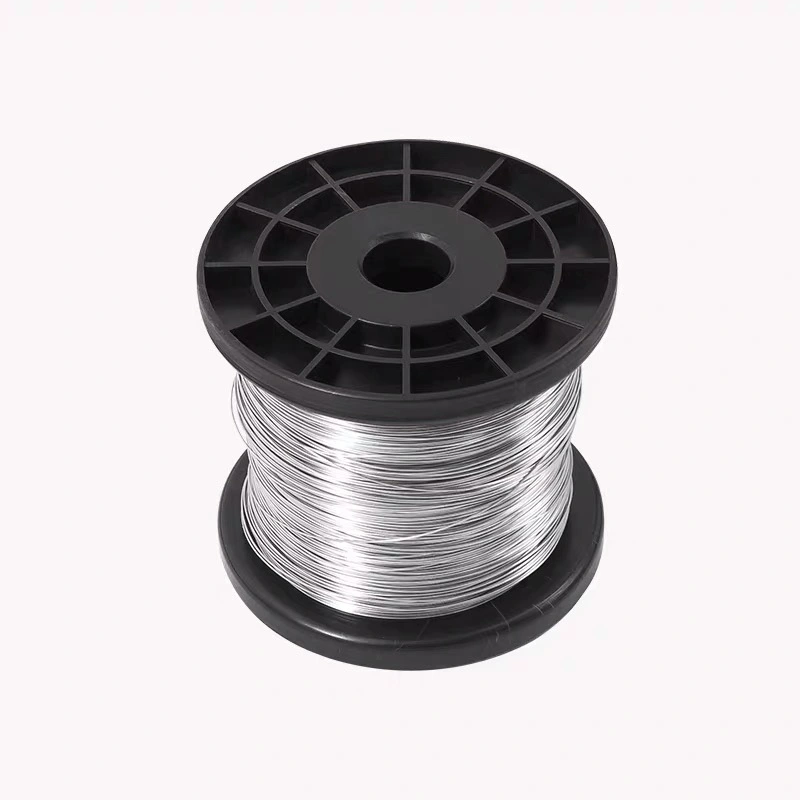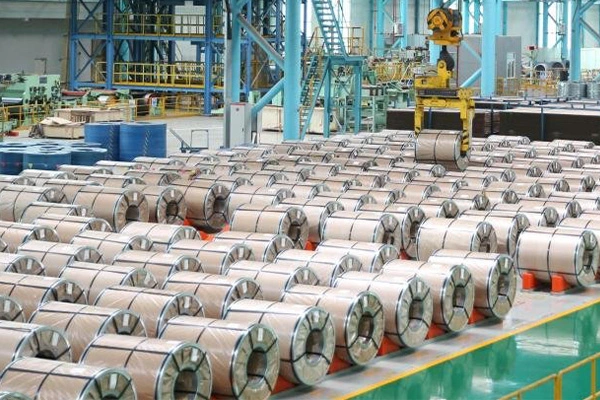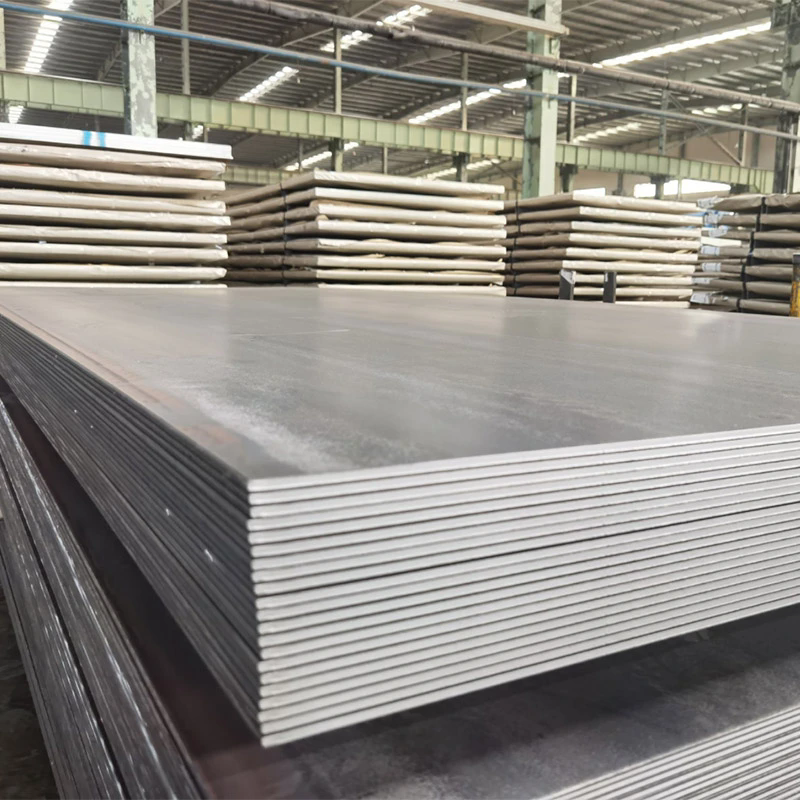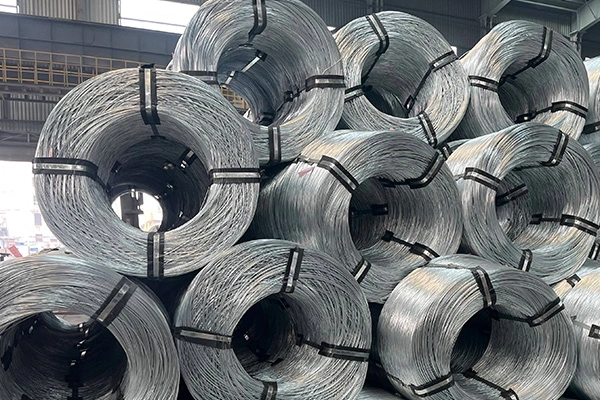
Steel Wires and Rods are long steel products produced through hot rolling, cold drawing, or a combination of both processes. Wire rod typically ranges from 5.5 mm to 16 mm in diameter and is delivered in coil form. It serves as the starting material for drawn wire, fasteners, springs, welding consumables, reinforcement mesh, and many other products. Drawn steel wire is produced by pulling wire rod through a series of dies to achieve smaller diameters, tighter tolerances, and higher tensile strength. YS STEEL provides both hot-rolled wire rod and cold-drawn steel wire to cover a broad spectrum of industrial requirements.
Quality in this category is defined by chemical composition, surface condition, dimensional consistency, and mechanical behavior. For buyers, specifying the right grade and processing route is essential to avoid production failures and ensure downstream performance. YS STEEL maintains full traceability from melt to finished coil, allowing customers to receive consistent material batch after batch.
The product portfolio at YS STEEL covers low-carbon, medium-carbon, high-carbon, and alloy steel wire rod, as well as cold-drawn wire in multiple finishes. The following list summarizes the core supply parameters:
The table below lists a typical specification range for YS STEEL steel wire and rod products. Actual values can be adjusted according to the requested standard or application. YS STEEL works with customers to meet specific chemical and mechanical requirements.
| Parameter | Low Carbon Wire Rod | Medium Carbon Wire Rod | High Carbon Wire Rod | Cold Drawn Wire |
|---|---|---|---|---|
| Diameter Range | 5.5 – 16.0 mm | 5.5 – 14.0 mm | 5.5 – 13.0 mm | 0.15 – 8.0 mm |
| Carbon Content | 0.05% – 0.15% | 0.20% – 0.45% | 0.60% – 0.85% | 0.05% – 0.85% |
| Tensile Strength | 320 – 480 MPa | 480 – 800 MPa | 800 – 1,250 MPa | 450 – 2,200 MPa |
| Yield Strength | 180 – 300 MPa | 280 – 550 MPa | 500 – 900 MPa | 350 – 1,800 MPa |
| Elongation | ≥ 25% | ≥ 15% | ≥ 8% | ≥ 2% – 15% depending on diameter |
| Surface Roughness | ≤ 25 µm | ≤ 25 µm | ≤ 20 µm | ≤ 5 µm for bright finish |
| Coil Weight | 1,500 – 2,500 kg | 1,500 – 2,200 kg | 1,200 – 2,000 kg | 10 – 1,000 kg |
| Standard Compliance | ASTM A510, JIS G3505, GB/T 701 | ASTM A510, JIS G4051, GB/T 4354 | ASTM A510, JIS G3502, GB/T 4354 | ASTM A227, JIS G3521, GB/T 4357 |
Mechanical performance is a critical selection factor for Steel Wires and Rods. YS STEEL performs tensile testing, hardness testing, and microstructure analysis on each production lot. The following table gives typical mechanical values by processing condition:
| Condition | Tensile Strength (MPa) | Yield Strength (MPa) | Elongation (%) | Hardness (HRC) |
|---|---|---|---|---|
| Hot rolled low carbon | 320 – 420 | 180 – 260 | 28 – 35 | ≤ 10 |
| Hot rolled high carbon | 800 – 1,050 | 500 – 650 | 10 – 16 | 18 – 25 |
| Annealed wire | 400 – 650 | 220 – 380 | 18 – 28 | ≤ 15 |
| Cold drawn bright wire | 750 – 1,400 | 550 – 1,100 | 5 – 15 | 20 – 30 |
| Oil tempered wire | 1,300 – 2,200 | 1,100 – 1,900 | 2 – 6 | 35 – 50 |
Dimensional tolerances are controlled according to diameter. For wire rod, the standard diameter tolerance is ±0.15 mm, while close tolerance can reach ±0.08 mm. For drawn wire, precision drawing achieves tolerances down to ±0.005 mm for diameters above 1.0 mm. YS STEEL provides roundness control within 0.05 mm for most drawn products, which is critical for high-speed forming and spring production.
YS STEEL offers multiple surface conditions to support downstream processes such as cold heading, wire drawing, spring coiling, and welding. The correct surface finish reduces die wear, improves lubricant pick-up, and ensures clean final products.
YS STEEL controls the entire production route for steel wire and rod, starting from high-quality billets. The process begins with qualified steel billets from integrated steel mills or YS STEEL’s partner suppliers. Billets are heated to approximately 1,050–1,200 °C in a walking beam furnace, then rolled through a continuous high-speed wire rod mill. Controlled cooling on a Stelmor conveyor adjusts the microstructure for the required mechanical properties.
For drawn wire, the hot-rolled wire rod first undergoes mechanical descaling and pickling. It is then drawn through tungsten carbide or diamond dies with proper lubrication. Multiple passes reduce diameter gradually and increase tensile strength. Intermediate annealing is applied for very small diameters or when high ductility is required. YS STEEL uses in-line eddy current testing, laser diameter gauges, and surface inspection systems to detect cracks, laps, and dimensional deviations.
Every coil carries a unique heat number and lot number. Test certificates are supplied according to EN 10204 3.1 or 3.2, including chemical composition, tensile results, dimensional checks, and surface condition reports. YS STEEL also supports third-party inspection by SGS, BV, or customer-appointed inspectors.
Steel Wires and Rods from YS STEEL is used in demanding sectors where consistency and traceability are non-negotiable. Key applications include:
Proper packaging protects steel wire and rod during transport and storage. YS STEEL uses standard mill packaging with each coil tightly bound by steel straps or wire bands. For export shipments, coils are wrapped with anti-rust paper and plastic film, then secured on pallets or in bundles. Typical packaging details are listed below:
What is the difference between steel wire and steel wire rod?
Steel wire rod is the hot-rolled semifinished product, typically 5.5 mm to 16 mm in diameter, delivered in coil form. It has a scale surface and is intended for further processing. Steel wire is produced by cold drawing wire rod through dies, reducing diameter and improving tensile strength, dimensional accuracy, and surface finish. YS STEEL supplies both products and can recommend the most suitable form based on your final application, drawing capacity, and forming equipment.
Which steel grade should I choose for cold heading fasteners?
For standard cold heading and fastener production, low carbon grades such as SAE 1006, SAE 1008, and SAE 1018 are widely used because they offer good formability and sufficient strength after cold working. For higher strength fasteners, medium carbon or alloy grades like SAE 1035, SAE 1045, or boron-treated steels may be required. YS STEEL provides phosphate coated wire rod and annealed wire specifically designed for cold heading. The choice depends on the final fastener class, required tensile strength, and the complexity of the forming process.
How does surface finish affect wire drawing performance?
Surface finish directly influences lubrication, die life, and drawing speed. Hot-rolled scale must be removed by pickling or mechanical descaling before drawing. Phosphated surfaces create a micro-porous layer that holds lubricant, reducing friction and die wear. YS STEEL recommends phosphate coated wire rod for severe cold drawing operations and bright drawn finish for final products that require a clean, smooth surface. Poor surface preparation can lead to breakage, surface scratches, and inconsistent mechanical properties.
What coil weight should I specify for my production line?
Coil weight affects productivity and changeover frequency. Larger coils reduce downtime and are preferred in high-speed drawing or heading lines. However, some older equipment or unwinding systems cannot handle coils over 1,500 kg. YS STEEL offers coil weights from 500 kg to 2,500 kg for wire rod and from 10 kg to 1,000 kg for drawn wire. We can also provide compact coils or spools for automatic welding and spring machinery. It is best to confirm your decoiling capacity and inner diameter compatibility before ordering.
Can YS STEEL supply Steel Wires and Rods according to JIS, ASTM, or GB standards?
Yes. YS STEEL regularly produces according to international standards such as ASTM A510, ASTM A227, JIS G3505, JIS G3502, JIS G3521, GB/T 701, GB/T 4354, and ISO 16120. We also supply material under EN standards when required. In addition to standard specifications, YS STEEL can produce custom grades with controlled chemical composition, restricted tensile range, or specific coating requirements. Test certificates are issued for each heat and lot to verify full compliance with the requested standard.