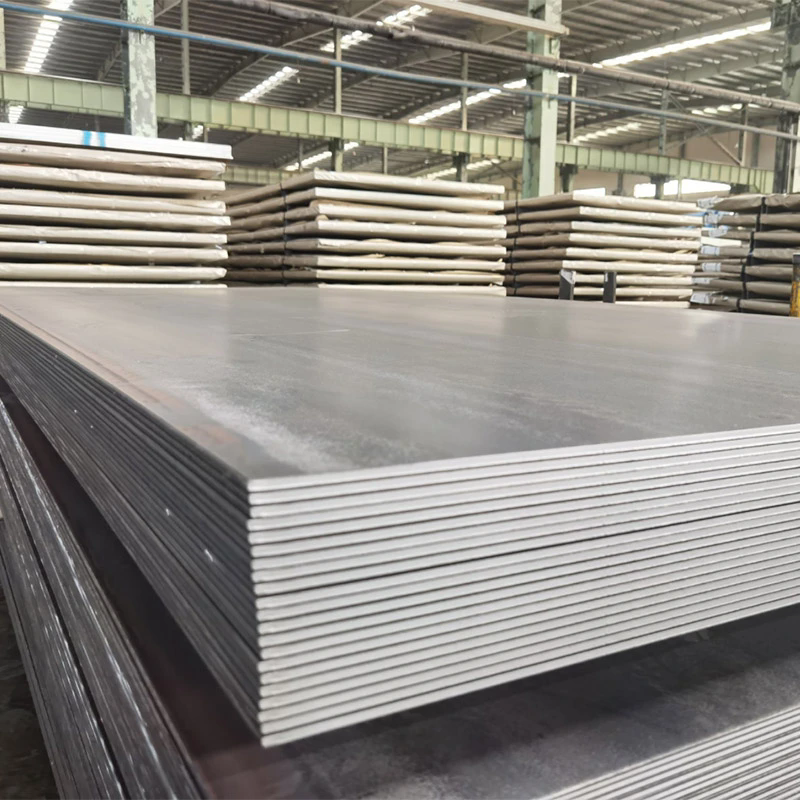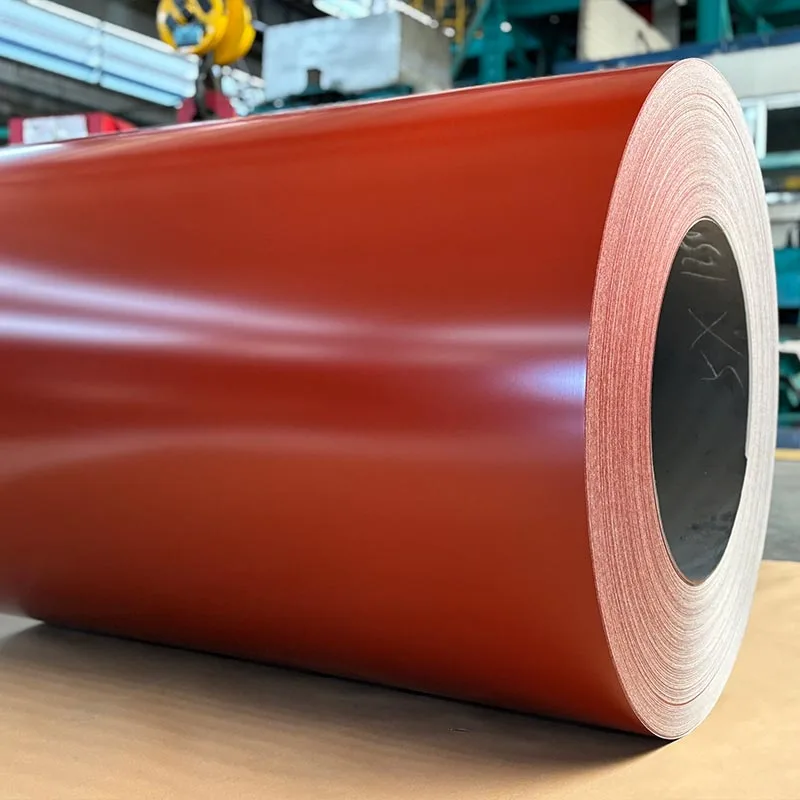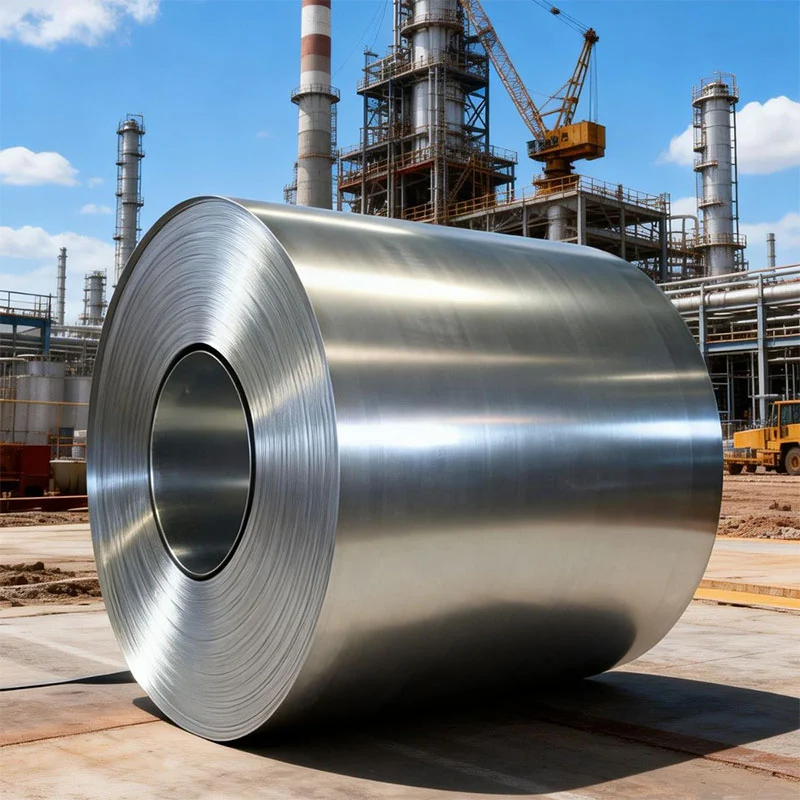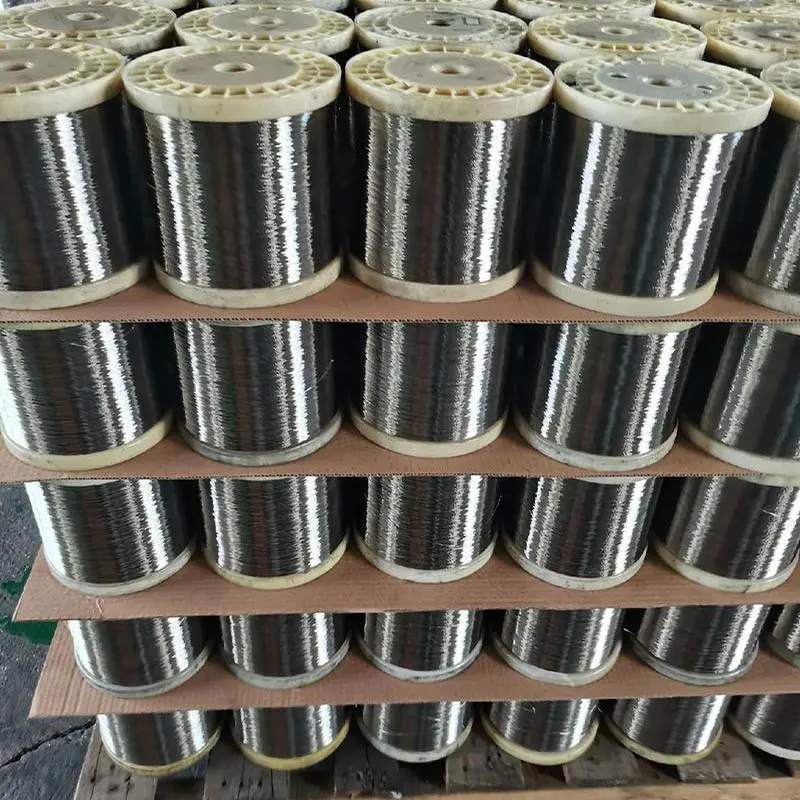
In today's competitive manufacturing industry, material consistency, dimensional accuracy, and surface quality directly influence production efficiency and finished product performance. YS STEEL provides Cold Rolled Steel Coil for General Industrial Manufacturing, engineered to meet the requirements of precision stamping, metal fabrication, appliance production, automotive components, and industrial coating applications. With carefully controlled cold rolling, annealing, leveling, and cutting processes, these steel coils offer manufacturers a reliable material solution for both standard production and customized industrial requirements.
Cold rolled steel coil is an essential material for modern industrial manufacturing because of its accurate dimensions, smooth surface, consistent mechanical properties, and excellent forming performance. Compared with conventional hot rolled steel, it offers better thickness control and surface uniformity, making it particularly suitable for applications requiring precision processing and attractive finished appearances.
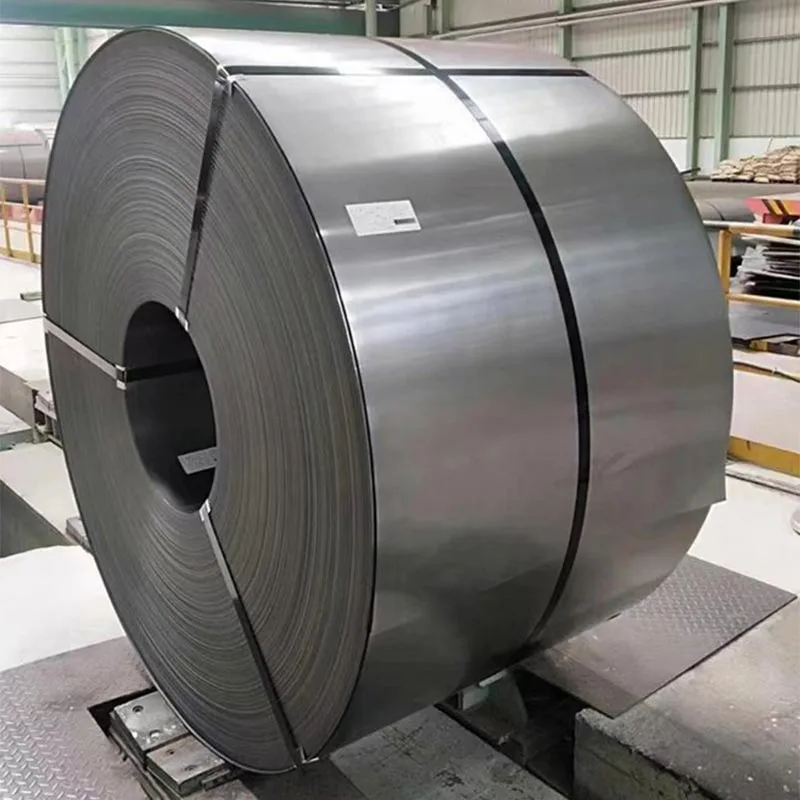
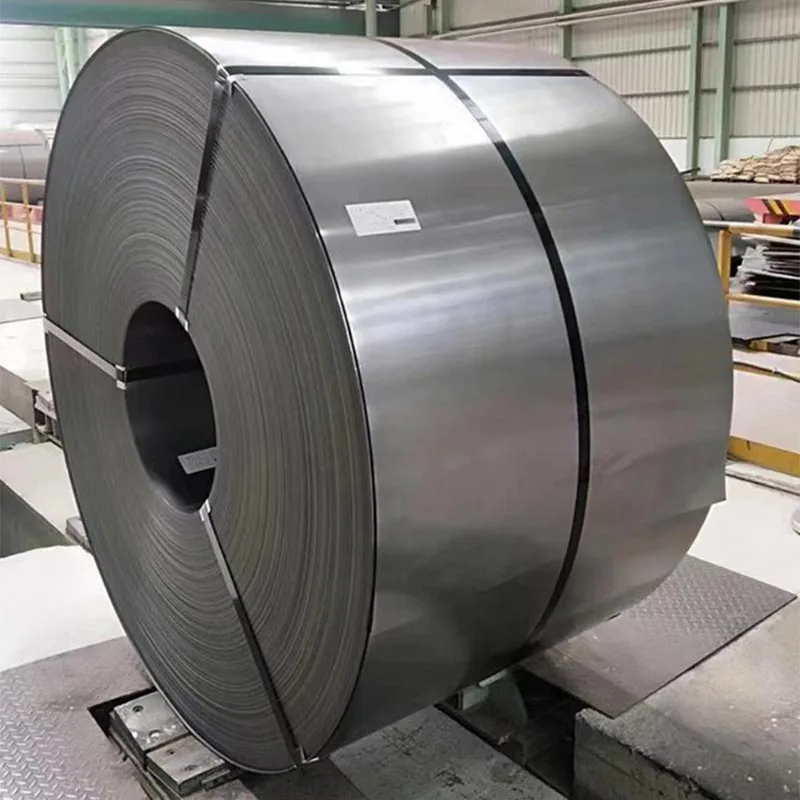
Cold Rolled Steel Coil for General Industrial Manufacturing is a precision steel product manufactured by reducing the thickness of pickled hot rolled steel through controlled rolling at room temperature. Additional processes, including annealing, skin passing, leveling, and precision cutting, help achieve the required dimensional accuracy, surface condition, and mechanical properties.
Unlike hot rolled steel, which is primarily designed for applications where structural performance and cost efficiency are the main priorities, cold rolled steel is particularly suitable for products requiring precise dimensions, smooth surfaces, and consistent forming behavior.
Its main characteristics include:
For manufacturers producing components in large quantities, these characteristics can help reduce processing inconsistencies, improve production yield, and maintain consistent finished-product quality.
The manufacturing process determines the final performance of cold rolled steel. YS STEEL uses high-quality hot rolled raw materials and applies controlled production procedures to achieve the required surface quality, dimensional precision, and mechanical properties.
The typical manufacturing process includes the following stages:
High-quality hot rolled steel coils are selected according to the required chemical composition, mechanical properties, and final application. Proper raw material selection provides a stable foundation for subsequent processing.
Oxide scale and surface impurities are removed through pickling and cleaning. This preparation helps improve rolling conditions and supports the production of a more uniform finished surface.
The prepared steel passes through precision rolling equipment at room temperature. Multiple rolling passes reduce the original thickness while improving dimensional control and surface uniformity.
Annealing restores suitable ductility and adjusts mechanical properties after cold deformation. Different steel grades receive corresponding heat treatment parameters to achieve the required hardness, elongation, and forming performance.
Precision leveling improves flatness and helps minimize unwanted deformation. The material is then inspected and cut or slit according to the customer's requested dimensions.
Finished coils undergo quality checks covering thickness, width, surface appearance, and relevant mechanical properties. Appropriate packaging protects the material during transportation and export handling.
Each manufacturing stage contributes to the overall reliability of the finished steel coil, especially when the material will be processed by automated stamping or precision fabrication equipment.
Material specifications should be matched with the actual processing requirements of the finished product. YS STEEL offers multiple commercial, stamping, deep drawing, and ultra-deep drawing grades for different industrial manufacturing applications.
The following table summarizes the principal product specifications.
| Specification | Available Details |
|---|---|
| Main Steel Grades | SPCC, SPCD, SPCE, DC01, DC02, DC03, DC04, DC05, DC06, ST12–ST16 |
| Thickness Range | 0.2 mm–3.0 mm |
| Width Range | 900 mm, 1250 mm, 1500 mm; customized slitting widths available |
| Product Categories | Commercial grade, stamping grade, deep drawing grade, ultra-deep drawing grade |
| Thickness Tolerance | Accuracy down to ±0.02 mm, subject to product specification |
| Surface Condition | Smooth cold rolled surface with controlled cleanliness and uniform appearance |
| Applicable Standards | GB/T 11253, JIS G3131, EN 10130, ASTM A1008 |
| Processing Options | Precision leveling, customized slitting, film coating, and deburring |
| Typical Applications | Home appliances, automotive parts, precision hardware, packaging, and coating substrates |
Important: Actual mechanical properties, dimensional tolerances, surface requirements, and applicable standards should be confirmed in the technical agreement before ordering. Customized specifications are available according to production requirements.
Selecting the appropriate grade is essential because different manufacturing processes require different combinations of strength, elongation, hardness, and formability.
Industrial manufacturers increasingly choose cold rolled steel because it provides several advantages that directly affect production efficiency and finished-product quality.
Precise thickness control helps maintain consistent component dimensions during stamping, bending, and assembly. YS STEEL offers thickness accuracy down to ±0.02 mm for applicable product specifications.
More consistent material dimensions can reduce machine adjustments, improve component compatibility, and minimize dimensional variation between production batches.
Surface quality is particularly important for products that require decorative finishing or protective coatings. Cold rolled steel offers a smoother and more uniform surface than conventional hot rolled material.
After suitable cleaning and pretreatment, it can be used for:
Proper surface preparation remains necessary to achieve the coating adhesion required by the final application.
Different annealing conditions and material grades help manufacturers select steel with suitable ductility and hardness. This is especially important for complex stamping and drawing operations.
Appropriately selected deep drawing grades can help reduce cracking, wrinkling, and excessive springback during forming, improving production consistency.
Modern manufacturing facilities rely on continuous stamping, cutting, and assembly lines. Stable coil dimensions and consistent mechanical characteristics make it easier to establish repeatable processing parameters.
For high-volume manufacturers, this can contribute to lower material waste, fewer production interruptions, and improved operational efficiency.
The versatility of cold rolled steel makes it an important raw material across multiple manufacturing industries. Its combination of dimensional precision, surface quality, and forming performance supports both functional and decorative components.
Refrigerators, washing machines, air conditioners, and other household appliances require steel materials with consistent dimensions and attractive surface finishes.
Cold rolled steel is commonly used for:
Automotive manufacturing requires materials capable of maintaining dimensional stability during complex forming operations. Cold rolled steel grades are used for selected interior and exterior components, brackets, structural parts, and precision stamped accessories.
For more complicated shapes, deep drawing grades such as DC04, DC05, and DC06 may be considered according to the required forming depth and mechanical performance.
Precision hardware manufacturers use cold rolled steel to produce brackets, metal fittings, decorative profiles, and fabricated components. Its uniform thickness helps improve dimensional consistency during cutting, bending, and assembly.
Cold rolled steel is also used in the production of metal packaging components and containers. Material selection depends on the container design, forming requirements, thickness, and subsequent surface treatment.
Cold rolled steel provides a useful substrate for galvanizing, color coating, electroplating, and other finishing processes. Its controlled surface characteristics help manufacturers establish consistent downstream processing conditions.
Choosing the right cold rolled steel grade requires more than comparing thickness and price. Buyers should evaluate the complete manufacturing process, including forming complexity, surface treatment, and final product requirements.
| Manufacturing Requirement | Suggested Grade | Typical Application |
|---|---|---|
| General bending and simple stamping | SPCC / DC01 | Basic brackets and metal panels |
| Moderate stamping and forming | SPCD / DC02 | Industrial housings and formed components |
| Improved drawing performance | SPCE / DC03–DC04 | More complex stamped parts |
| Deep drawing operations | DC05 | Complex formed components |
| Ultra-deep drawing requirements | DC06 | Special-shaped automotive and precision parts |
Before confirming an order, manufacturers should consider the following factors:
Working with an experienced supplier can help buyers avoid unnecessary material costs and reduce the risks associated with incorrect grade selection.
Consistent material quality is essential for manufacturers operating continuous production lines. Even small variations in thickness, flatness, or surface condition can affect stamping accuracy, coating appearance, and assembly performance.
YS STEEL implements full-process quality management covering raw material selection, cold rolling, annealing, leveling, and finished-product inspection.
For international buyers, product quality is only one part of a successful procurement process. Documentation, packaging, delivery coordination, and technical communication are equally important.
YS STEEL supports export procurement with relevant material certificates, chemical composition reports, mechanical property test reports, surface inspection records, packing lists, commercial invoices, and other applicable shipping and customs documents.
For projects requiring independent verification, third-party inspection arrangements can also be discussed according to the order requirements.
When sourcing Cold Rolled Steel Coil for General Industrial Manufacturing, professional buyers should evaluate the supplier's production capabilities, technical support, quality management, and delivery arrangements.
The following checklist can help streamline supplier evaluation:
YS STEEL supports different purchasing requirements, including sample orders, small-batch procurement, spot inventory, customized production, and large-volume bulk orders.
For conventional in-stock specifications, the published delivery arrangement is generally 3–7 working days. Customized specifications and special drawing grades generally require approximately 7–15 working days, subject to order confirmation and production scheduling.
Buyers should confirm the actual lead time, minimum order quantity, coil weight, packaging requirements, and shipping terms before placing an order.
Cold rolled steel coil is processed at room temperature after hot rolling and pickling. It generally offers better dimensional accuracy, smoother surfaces, and more controlled forming properties. Hot rolled steel is commonly selected for structural applications, heavy fabrication, and projects where strength and cost efficiency are the primary considerations. The appropriate choice depends on the finished product and manufacturing process.
SPCE and DC04–DC06 are commonly considered for deep drawing applications. DC04 and DC05 can support more demanding forming operations, while DC06 is suitable for particularly complex deep drawing requirements. Final selection should be based on component geometry, forming depth, and required mechanical properties.
YS STEEL offers standard thicknesses ranging from 0.2 mm to 3.0 mm, with regular width options of 900 mm, 1250 mm, and 1500 mm. Customized slitting widths, ultra-thin precision specifications, and special tolerances can also be discussed according to the project requirements.
Cold rolled steel provides a smooth and uniform surface that is suitable for downstream coating and finishing applications. However, appropriate degreasing, cleaning, and pretreatment may still be required to achieve the desired coating adhesion and surface quality.
Yes. YS STEEL supports sample trial purchases, spot orders, customized specifications, narrow-width slitting, and large-volume procurement. Buyers can discuss the required grade, thickness, width, mechanical properties, and delivery arrangements with the sales team.
Conventional in-stock products generally have a delivery lead time of approximately 3–7 working days. Customized products and special drawing grades generally require 7–15 working days. Actual delivery schedules depend on product specifications, order quantity, production capacity, and logistics arrangements.
Depending on the order and applicable requirements, YS STEEL can provide material certificates, chemical composition reports, mechanical property test reports, surface inspection reports, factory quality documents, and relevant export documentation. Third-party inspection can be discussed when required.
Cold rolled steel coil plays an important role in modern industrial manufacturing because it combines dimensional precision, smooth surface quality, reliable forming performance, and flexible material specifications. From home appliance panels and automotive components to precision hardware, metal packaging, and coating substrates, the right steel grade can significantly influence manufacturing efficiency and finished-product consistency.
YS STEEL provides Cold Rolled Steel Coil for General Industrial Manufacturing with multiple grade options, controlled production processes, customized specifications, and export-oriented customer support. Whether you need commercial-grade steel for general fabrication or specialized deep drawing material for precision components, selecting a supplier with reliable quality control and technical expertise is essential for long-term production success.
If you are looking for a dependable cold rolled steel manufacturer and supplier in China, YS STEEL is ready to support your procurement requirements. Share your required steel grade, thickness, width, application, and estimated order quantity with our team. Contact us today to request a competitive quotation, discuss customized specifications, and find the right cold rolled steel solution for your industrial manufacturing project.