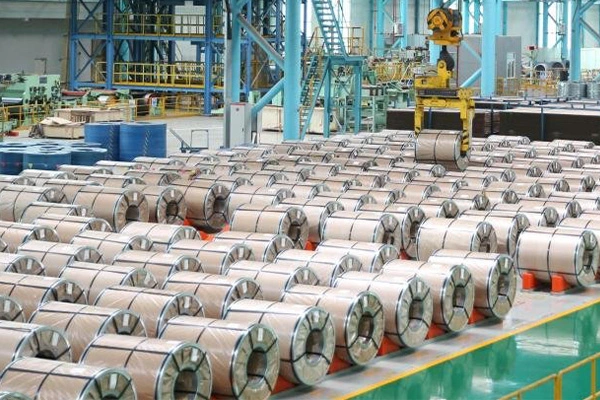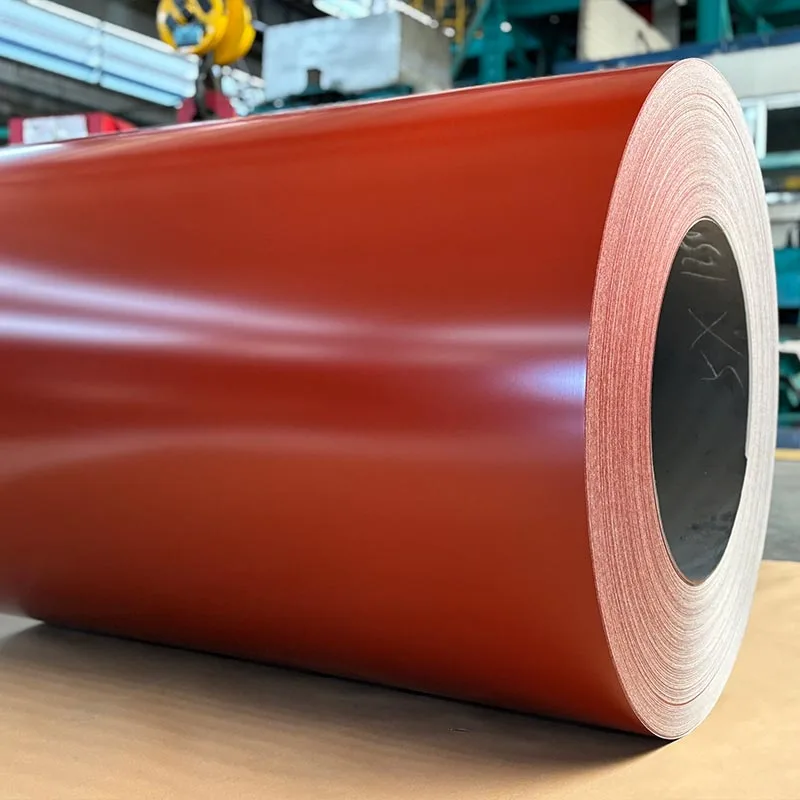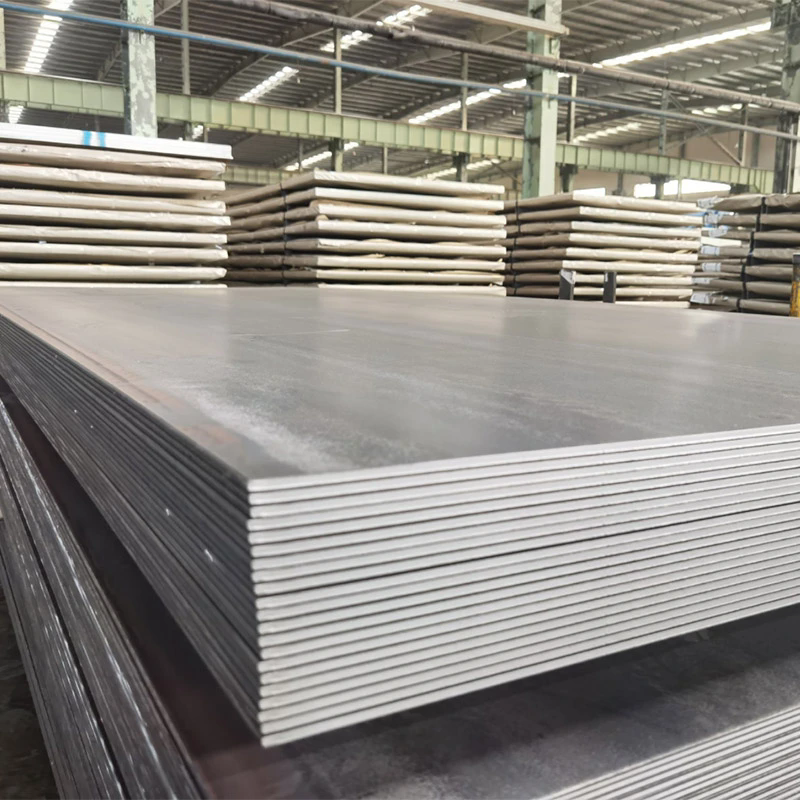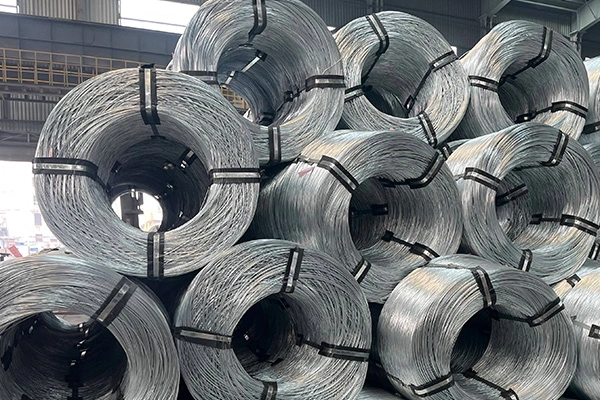
As modern construction projects demand materials that combine structural reliability, corrosion resistance, attractive finishes, and efficient installation, Prepainted Steel Coil For Construction has become an increasingly important solution. YS, a professional steel manufacturer and supplier, provides customized PPGI and PPGL color-coated steel coils designed for industrial buildings, prefabricated structures, photovoltaic roofing, and architectural applications. By combining durable metallic substrates with advanced organic coating systems, these products help contractors and steel processors achieve consistent quality while reducing long-term maintenance requirements.
Prepainted steel coils are widely used in modern construction because they combine the strength of steel with the protective and decorative benefits of factory-applied coatings. This article explains the differences between PPGI and PPGL, introduces common coating technologies, examines product specifications, and discusses practical applications in construction. It also provides professional purchasing recommendations and quality inspection considerations to help contractors, distributors, and manufacturers select suitable color-coated steel materials.
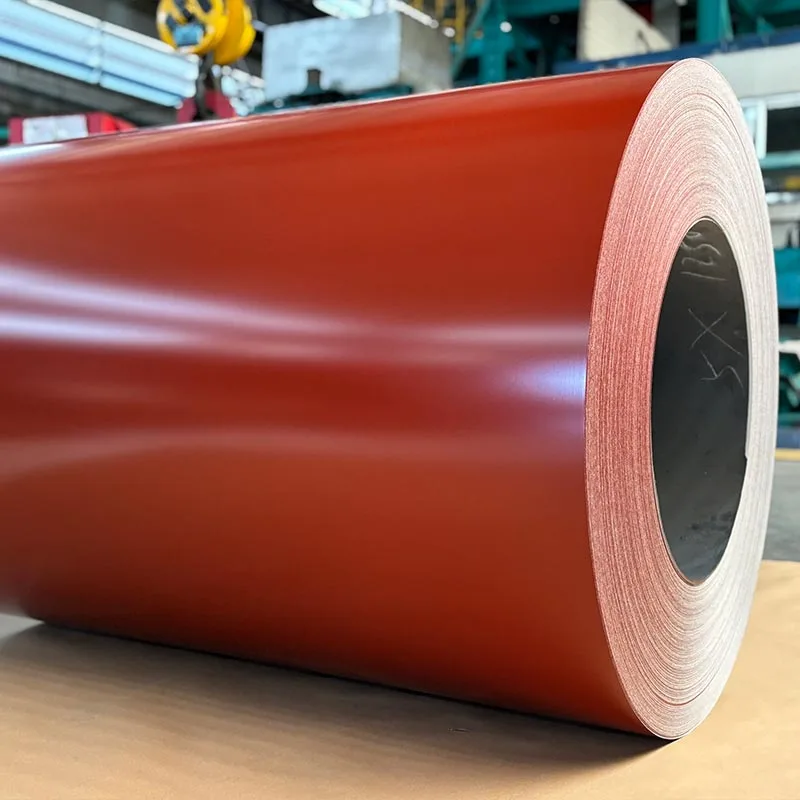
Prepainted Steel Coil For Construction refers to steel coil products that receive protective and decorative paint coatings through a continuous industrial coating process before being delivered to downstream manufacturers. Unlike conventional steel sheets that require painting after fabrication or installation, prepainted steel arrives with a finished surface that is ready for further processing.
These products generally fall into two major categories:
The overall material structure generally consists of a steel substrate, metallic protective coating, chemical pretreatment layer, primer, and decorative topcoat, with a protective back coating applied as required.
This combination provides mechanical strength, surface protection, and architectural flexibility. It also allows manufacturers to produce roofing sheets, wall panels, sandwich panel facings, and other construction components with consistent surface quality.
The manufacturing process directly influences coating adhesion, surface appearance, corrosion resistance, and forming performance. Professional production lines use continuous processing and controlled curing conditions to achieve uniform coating quality across the entire coil.
A typical production process includes the following stages:
Compared with on-site painting, factory coil coating offers better control over environmental conditions and coating uniformity. This makes it particularly valuable for large-scale construction projects requiring consistent appearance and predictable processing performance.
Selecting the correct coating system is essential when purchasing prepainted steel for construction. Different coating technologies provide different levels of weather resistance, UV protection, chemical resistance, and cost efficiency.
PE coating offers good adhesion, attractive appearance, and economical performance. It is suitable for indoor applications, dry industrial environments, temporary structures, and general building components. Under the stated normal operating conditions, YS STEEL specifies a typical service life of approximately 8–10 years.
SMP coating improves resistance to chalking and fading compared with conventional polyester systems. It is a practical choice for factory roofing, warehouse walls, perimeter fencing, and other outdoor applications exposed to regular sunlight and weather changes.
HDP coatings provide enhanced resistance to ultraviolet radiation and environmental aging. They are suitable for projects involving strong sunlight, high temperatures, and demanding outdoor conditions where improved color retention is required.
PVDF is a premium coating option designed for demanding architectural environments. It provides excellent resistance to UV radiation, salt spray, and various corrosive influences. It is particularly suitable for coastal buildings, industrial facilities, and projects requiring long-term exterior appearance stability.
The following table summarizes the main differences:
| Coating Type | Main Characteristics | Recommended Applications | Typical Service Life |
|---|---|---|---|
| PE | Good adhesion and cost efficiency | Indoor panels and general industrial buildings | 8–10 years |
| SMP | Improved weathering and chalking resistance | Warehouse roofs and outdoor fencing | 10–12 years |
| HDP | Enhanced UV and aging resistance | Outdoor roofing and industrial structures | 10–12 years |
| PVDF | Excellent weatherability and color stability | Coastal and demanding architectural projects | 15–20 years |
Note: Service-life figures are indicative product guidance under normal operating conditions, not universal guarantees. Actual performance depends on substrate protection, coating specifications, processing, installation, and environmental exposure. Confirm the applicable warranty before ordering.
The growing use of color-coated steel in construction is driven by several practical advantages that benefit contractors, fabricators, and building owners.
The metallic coating and organic paint system work together to protect the underlying steel. The zinc or aluminum-zinc layer provides metallic protection, while the paint coating acts as a barrier against moisture, oxygen, and environmental contaminants.
Factory-controlled coating technology helps maintain consistent color, gloss, and surface texture. Buyers can select standard RAL colors or request customized metallic, matte, high-gloss, and textured finishes to match architectural requirements.
High-quality prepainted coils are designed for downstream processing, including:
YS STEEL specifies that its products can withstand conventional 180-degree bending and other standard forming operations when processed under appropriate conditions.
Because the coating is applied before delivery, construction teams can reduce the need for additional surface preparation and painting at the installation site. This helps simplify project scheduling, reduce labor requirements, and improve material utilization.
Different colors, coating systems, thicknesses, widths, and surface finishes allow architects and manufacturers to match functional requirements with visual design objectives.
Thanks to its combination of durability, processability, and decorative flexibility, prepainted steel is suitable for various building and industrial applications.
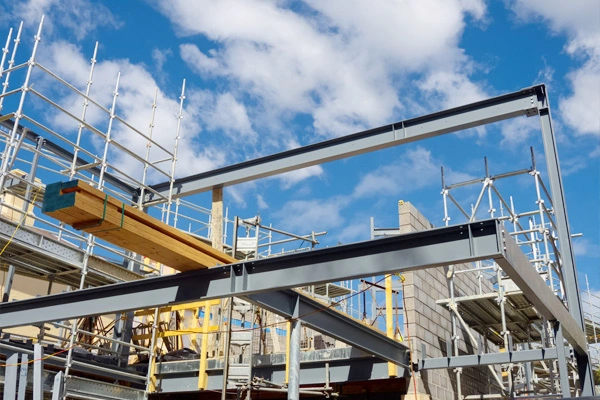
Factory roofing, exterior wall cladding, internal partitions, and prefabricated building envelopes are among the most common applications. SMP and HDP coatings can be considered when improved outdoor weather resistance is required.
Prepainted steel can be used in roofing and enclosure components for photovoltaic facilities. For projects exposed to intense sunlight, high temperatures, or coastal salt spray, PPGL substrates and high-performance coating systems may offer useful advantages.
Modular housing, temporary buildings, cleanroom panels, and prefabricated structures benefit from the consistent dimensions and factory-finished surfaces of color-coated steel.
Construction hoardings, pedestrian walkways, outdoor amenities, and decorative metal structures can use prepainted steel to achieve practical protection and coordinated architectural finishes.
Beyond building envelopes, prepainted steel is also used in refrigerator panels, air-conditioning components, washing machine housings, and other products requiring attractive finishes and reliable forming performance.
Technical specifications determine whether a steel coil is suitable for a particular project. Buyers should evaluate the substrate, thickness, width, coating system, color, and applicable standards together rather than focusing on price alone.
The following table summarizes the main product specifications offered by YS STEEL:
| Specification | Available Options |
|---|---|
| Product Types | PPGI and PPGL |
| Common Steel Grades | TDC51D, DX51D, DX52D, DX53D, S250GD, S350GD |
| Thickness | 0.18 mm–1.5 mm |
| Width | 900 mm, 1250 mm, 1500 mm; customized sizes available |
| Coating Systems | PE, SMP, HDP, PVDF |
| Color Options | RAL colors and customized metallic colors |
| Surface Finishes | Matte, high-gloss, frosted, and textured finishes |
| Applicable Standards | GB/T 12755, ASTM A755, JIS G3322, EN 10169 |
| Main Applications | Roofing, wall panels, prefabricated buildings, appliance panels, and photovoltaic roofing |
Actual availability and tolerances should be confirmed against the final technical agreement and purchase order. For specialized construction projects, buyers should also specify metallic coating mass, paint film thickness, steel grade, mechanical properties, and coil dimensions.
Choosing the right product requires a systematic evaluation of environmental conditions, fabrication requirements, and project budgets. The following considerations can help procurement professionals make more informed decisions.
Consider whether the material will be installed indoors, outdoors, near the coast, or in an industrial atmosphere. Humidity, UV exposure, temperature fluctuations, and airborne contaminants all influence coating selection.
PPGI is often a practical choice for general construction requirements. PPGL may be preferable when additional aluminum-zinc corrosion protection and heat resistance are important. The final decision should consider the specific exposure conditions and applicable engineering requirements.
Thickness and width should match the design load, profiling equipment, panel dimensions, and fabrication process. Buyers should also confirm bending radii, forming conditions, and surface protection requirements.
Do not evaluate suppliers solely on the quoted price per ton. Consider coating specifications, material consistency, packaging, transportation, inspection documents, production lead times, and expected maintenance expenses.
Reliable quality control is essential for construction materials because coating defects or dimensional inconsistencies can affect production efficiency and finished building performance.
A professional supplier should maintain inspection procedures covering the following areas:
YS STEEL provides end-to-end quality control covering substrate selection, pretreatment, coating, curing, and finished-product inspection. Its export support includes material certificates, quality inspection reports, coating performance documentation, and SGS reports where applicable.
Its procurement services also accommodate small-batch sampling, stock orders, bulk container shipments, and customized specifications. These options help distributors, contractors, and downstream processing manufacturers coordinate material purchasing with project schedules.
YS STEEL's published project cases demonstrate how coating selection can be adapted to different industrial environments:
These examples illustrate why matching the substrate and coating system to the actual application is an important part of material procurement.
PPGI uses galvanized steel as its substrate, while PPGL uses aluminum-zinc-coated steel. Both combine metallic protection with an organic paint system. PPGI is commonly selected for general construction applications, whereas PPGL can provide advantages in oxidation resistance, heat resistance, and demanding outdoor environments.
The ideal coating depends on the environment and expected service requirements. SMP and HDP are suitable options for many outdoor industrial applications, while PVDF is often preferred for coastal, high-UV, and more corrosive environments where long-term color stability is important.
Yes. YS STEEL supports customization of thickness, width, steel substrate, coating system, color, and surface finish. Buyers can select RAL colors or discuss customized metallic, matte, high-gloss, and textured finishes according to project requirements.
Properly manufactured prepainted steel is designed to withstand conventional forming operations. Coating flexibility, adhesion, substrate hardness, and bending radius all influence the result. For complex forming applications, buyers should confirm the required processing conditions and request samples for testing before mass production.
YS STEEL offers thicknesses from 0.18 mm to 1.5 mm, with customized options available. The appropriate thickness depends on structural design, panel geometry, installation conditions, and applicable engineering specifications.
Typical export documentation includes material certificates, factory inspection reports, coating performance reports, weather resistance test documentation, packing lists, and commercial invoices. SGS third-party inspection reports can also be provided where applicable. Buyers should confirm document requirements before placing an order.
According to YS STEEL's published product information, regular stock products may be shipped within 3–7 working days, while customized orders generally require 7–15 days depending on production complexity. Actual lead times should be confirmed according to stock availability, order quantity, and shipping arrangements.
Prepainted Steel Coil For Construction is a versatile material that combines the strength of steel with corrosion protection, weather resistance, processing convenience, and attractive surface finishes. From industrial roofing and prefabricated buildings to photovoltaic facilities and architectural decoration, the right combination of substrate and coating technology can significantly influence project quality and long-term operating costs.
For buyers, successful procurement involves more than comparing thickness and price. Evaluating coating performance, steel grades, dimensional tolerances, quality inspection procedures, and supplier support is essential to obtaining reliable materials that meet project requirements.
YS STEEL provides PPGI and PPGL solutions with customizable specifications, multiple coating technologies, international export support, and application-oriented product recommendations. Whether you are sourcing materials for a large industrial construction project or purchasing color-coated steel coils for downstream manufacturing, working with an experienced supplier can make the procurement process more efficient and predictable.
Looking for reliable Prepainted Steel Coil For Construction for your next project? Contact YS STEEL today to discuss your required steel grade, thickness, width, coating system, color, and order quantity. Our professional team is ready to provide technical recommendations, customized quotations, and suitable steel coil solutions to support your construction and manufacturing needs. Contact us to explore a dependable long-term supply partnership.