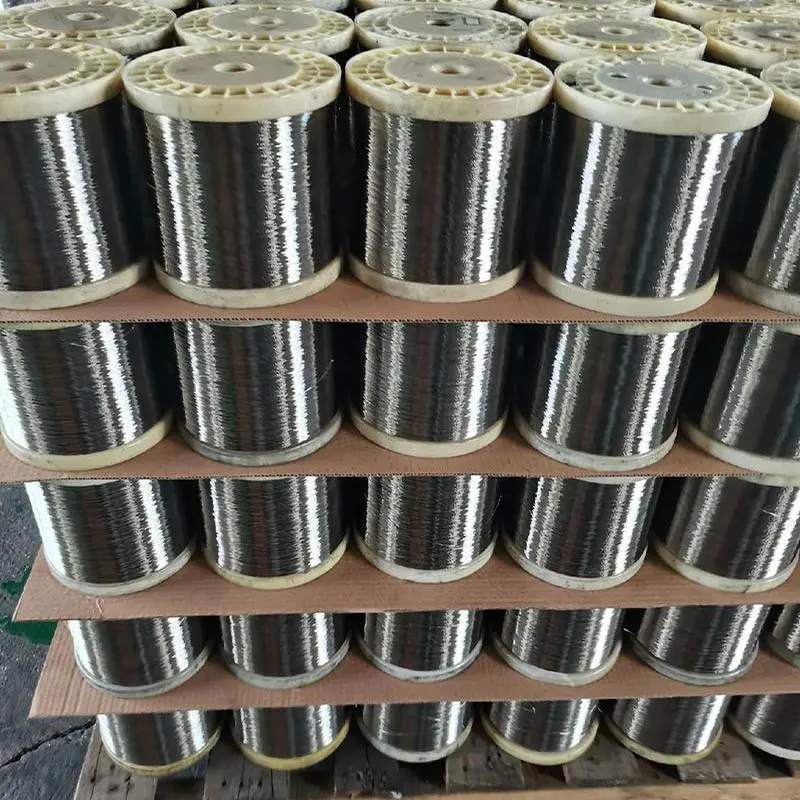
When engineers and buyers search for reliable cold drawn stainless steel wire, they need a supplier who understands both metallurgy and tight delivery schedules. At YS STEEL, we combine decades of wire drawing expertise with rigorous quality control to deliver cold drawn stainless steel wire that meets the most demanding specifications. This guide answers the key questions about what cold drawn stainless steel wire is, why it matters, how it is produced, which grades to choose, and when to specify it — so you can make confident sourcing decisions.
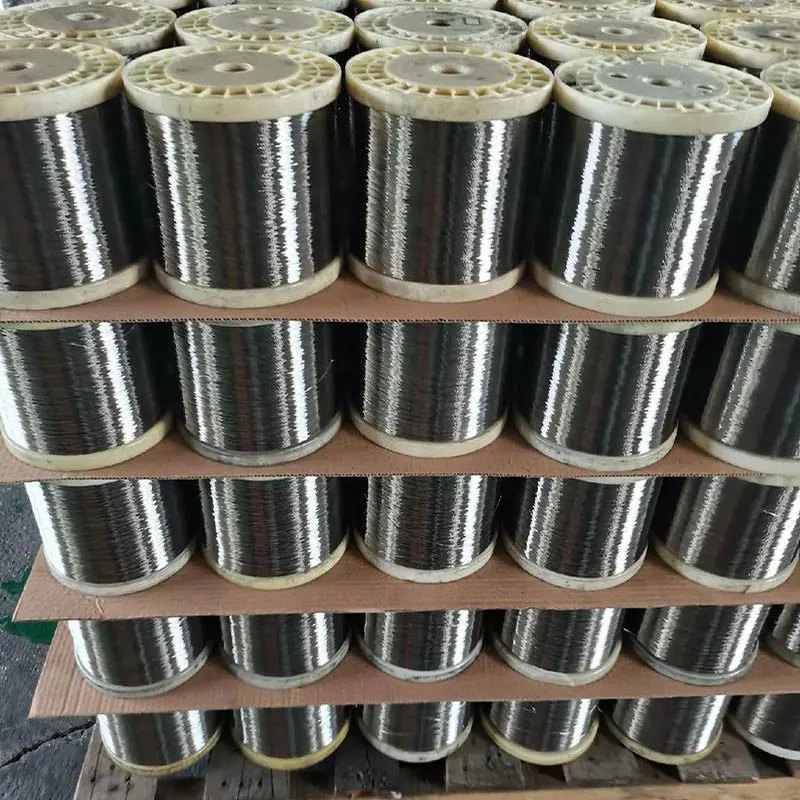
Cold drawn stainless steel wire is produced by pulling stainless steel rod through a series of dies at room temperature, a process that reduces diameter, tightens tolerances, and significantly increases tensile strength. Unlike hot-rolled wire, cold drawing creates a smooth, bright surface finish and excellent dimensional consistency — critical for automated feeding systems, precision springs, and medical components.
At YS STEEL, our cold drawn stainless steel wire is manufactured to international standards including ASTM A580, EN 10270, and JIS G4314. The process matters because it directly affects fatigue life, corrosion resistance, and machinability. For manufacturers in automotive, medical, food processing, and aerospace sectors, specifying cold drawn wire often means fewer production rejects and longer part life.
There are several compelling reasons why cold drawn stainless steel wire outperforms alternative materials and processes:
Additionally, cold drawn stainless steel wire from YS STEEL is available in a wide range of diameters from 0.10 mm to 12.0 mm, with custom tempers and coatings to suit specific applications.
The cold drawing process involves several carefully controlled stages. Here is how YS STEEL manufactures our wire:
The choice of grade depends on the application environment and required mechanical properties. The table below compares common grades used for cold drawn stainless steel wire:
| Grade | Typical Tensile Strength (Cold Drawn) | Corrosion Resistance | Best Applications |
|---|---|---|---|
| 304 / 304L | 1,200–1,800 MPa | Good (general purpose) | Springs, wire mesh, fasteners, kitchen equipment |
| 316 / 316L | 1,100–1,700 MPa | Excellent (chloride environments) | Marine components, medical devices, chemical processing |
| 430 | 900–1,300 MPa | Moderate (magnetic) | Automotive trim, appliance parts, heat exchangers |
| 631 (17-7PH) | 1,400–2,000 MPa | Very good | High-stress springs, aerospace, precision instruments |
| 302 | 1,300–1,900 MPa | Good | Spring wire, wire rope, brush bristles |
For food processing and medical applications, 316L is often the preferred grade due to its superior pitting resistance. For high-cycle springs, 302 or 631 deliver the best fatigue performance. YS STEEL can supply all these grades with full material certification.
Cold drawn stainless steel wire is the right choice in several scenarios:
If your application involves high fatigue cycles, tight tolerances, or a visible surface, cold drawn wire is almost always the better choice over annealed or hot-rolled alternatives.
| Property | Cold Drawn Wire | Annealed Wire |
|---|---|---|
| Tensile Strength | High (up to 2,000 MPa) | Low to moderate |
| Ductility | Lower | Higher |
| Surface Finish | Bright, smooth | Matte, may have scale |
| Dimensional Tolerance | Tight (±0.01 mm) | Looser |
| Typical Applications | Springs, wire forms, fasteners | Weaving, tie wire, general fabrication |
Cold drawing reduces the cross-section by pulling through a die, while cold rolling passes the material between rollers. Cold drawing is preferred for wire because it produces round, uniform diameters and better surface finish.
Yes, but the increased carbon content and work hardening may affect weldability. Grades like 304L and 316L are more weldable. For critical welds, we recommend annealing after welding.
YS STEEL produces cold drawn wire up to 12.0 mm in diameter. Larger sizes are typically produced by hot rolling or peeling.
Cold drawing can slightly reduce corrosion resistance due to strain-induced martensite formation in some grades. However, austenitic grades like 316L maintain excellent resistance, especially when passivated after drawing.
Absolutely. Every shipment from YS STEEL includes mill test certificates, dimensional inspection reports, and mechanical property data. We also support third-party inspection upon request.
At YS STEEL, we understand that your production schedule cannot wait for inconsistent quality or late deliveries. Our cold drawn stainless steel wire is engineered for precision, backed by full traceability, and shipped worldwide with competitive lead times. Whether you need 304 spring wire, 316L medical-grade wire, or custom tempers, our team is ready to help. Contact us today to request a quote, download our product brochure, or speak with a technical specialist about your specific application. Let YS STEEL be your trusted partner for cold drawn stainless steel wire — because precision starts with the right wire.
-