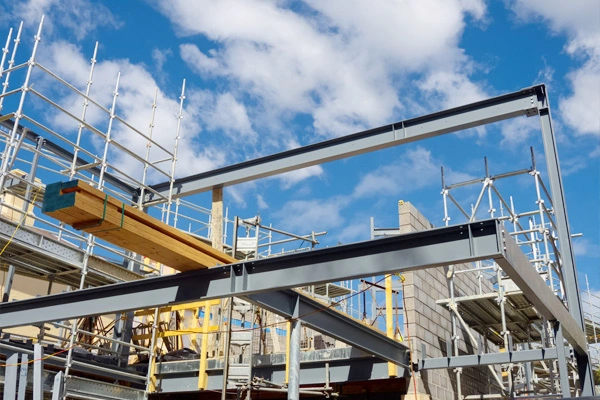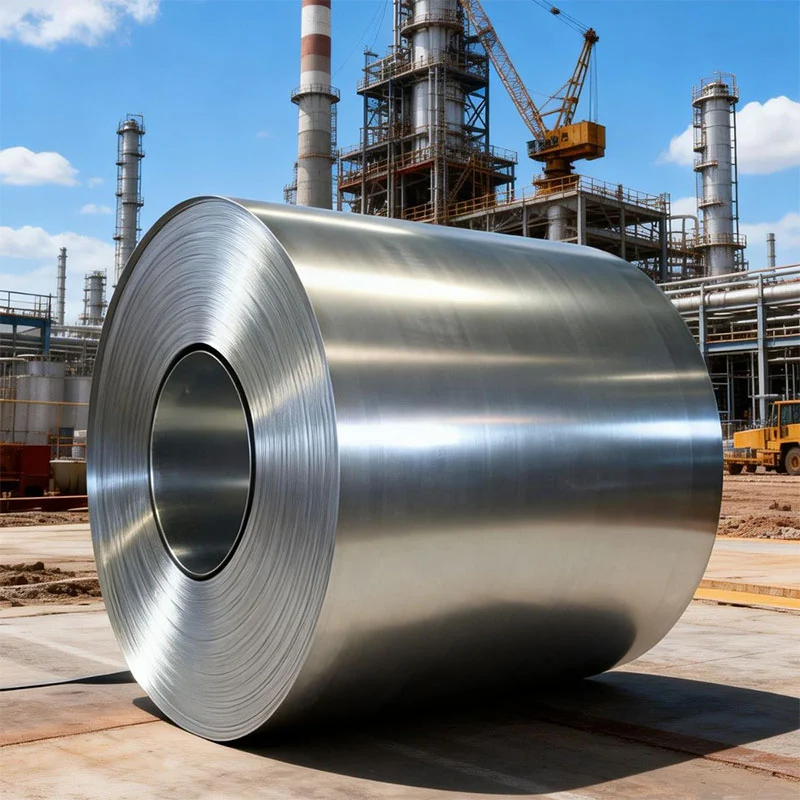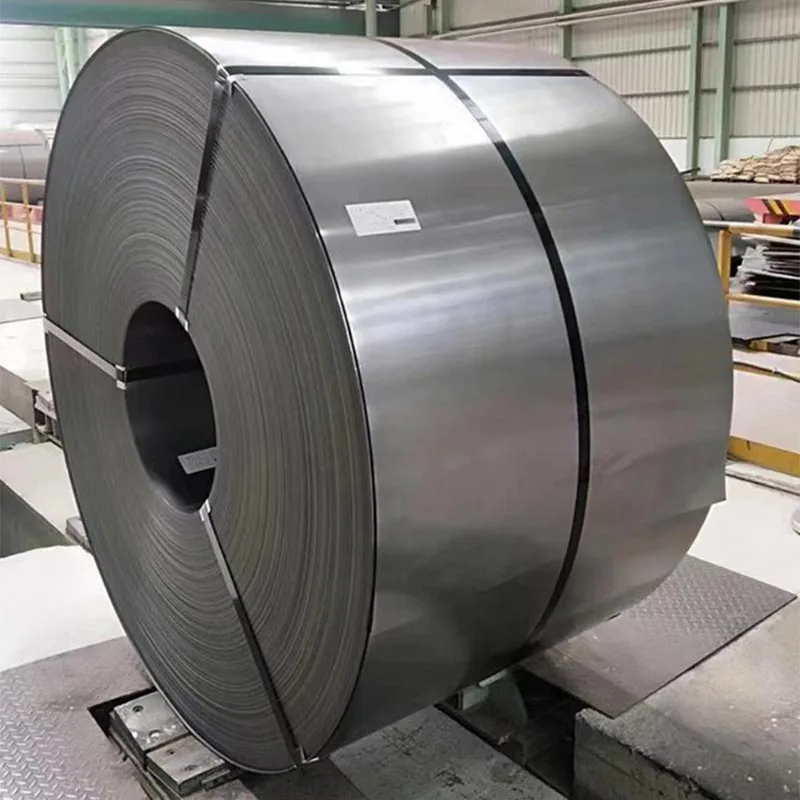
When metal fabricators evaluate materials for durability, cost efficiency, and long-term performance, galvanized steel coil consistently ranks among the top choices. At YS Steel, we supply galvanized steel coil for metal fabrication that combines corrosion resistance, formability, and consistent surface quality — all critical factors for fabrication shops, OEMs, and structural steel projects. Whether you are stamping, bending, welding, or roll-forming, the right galvanized coil can reduce waste, extend product life, and simplify your production workflow. This blog answers the most important questions fabricators ask: what galvanized steel coil is, why it matters, how to use it, which specification fits your job, and when it makes the most economic sense.
Article Summary: This guide explains galvanized steel coil for metal fabrication in practical terms. It covers the zinc coating’s role, key selection criteria, a comparison table of common coating weights and fabrication suitability, best practices for cutting, forming, and welding, and a FAQ section for buyers. It is written for fabrication managers, procurement teams, and engineers who want a reliable, SEO-friendly reference before requesting a quote from YS Steel.
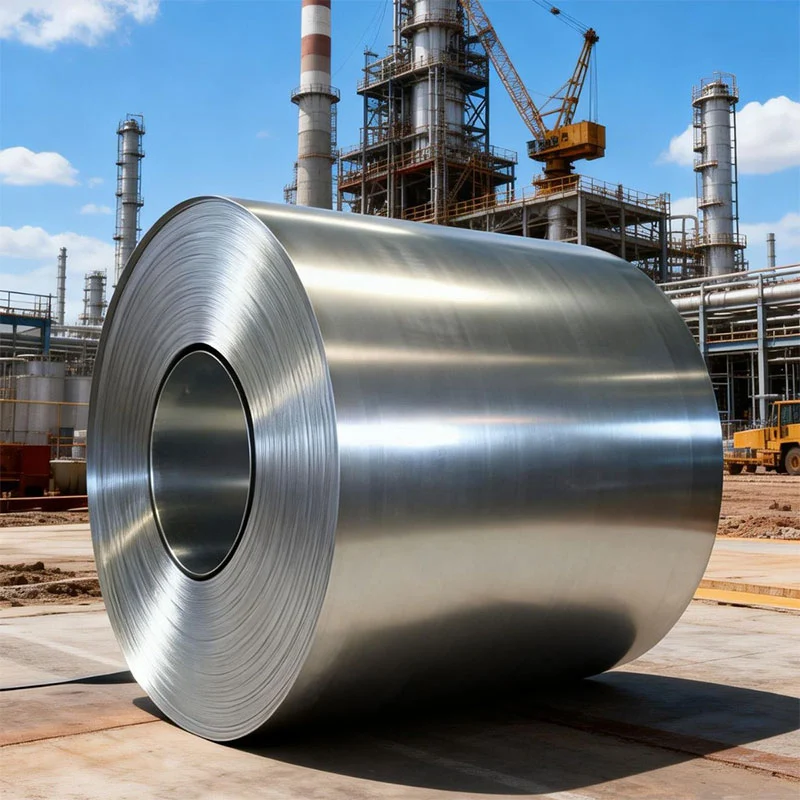
Table of Contents
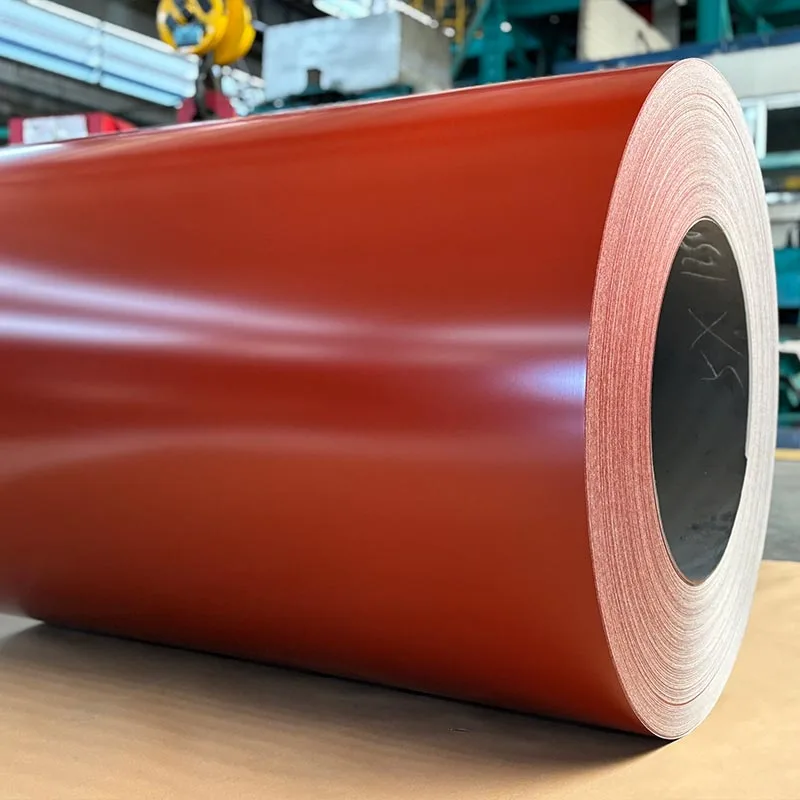
Galvanized steel coil is carbon steel sheet that has been passed through a continuous hot-dip galvanizing line, where it receives a metallurgically bonded zinc coating. That zinc layer acts as a sacrificial barrier: when the surface is scratched or cut, the zinc corrodes first and protects the underlying steel from rust. For metal fabrication, this means parts can be stored, shipped, and installed with far less risk of corrosion than bare steel — even in humid or coastal environments.
The coil format is especially valuable for fabricators because it supports high-speed continuous processes: slitting, cut-to-length, roll forming, stamping, and automated welding. Instead of handling flat sheets one by one, a fabricator can feed a coil into a line and produce consistent parts with minimal manual handling. The zinc coating also improves paint adhesion when properly pre-treated, which is why galvanized coil is widely used in HVAC ducting, shelving, automotive brackets, agricultural equipment, and light structural components.
At YS Steel, galvanized steel coil for metal fabrication is supplied with controlled coating weight, uniform spangle, and tight thickness tolerances. That consistency matters because fabrication defects often start with material variation — uneven coating, edge waves, or thickness drift can cause tool wear, coating flaking, and dimensional errors. Choosing a coil supplier who understands fabrication processes is just as important as choosing the steel grade itself.
Fabricators compare galvanized coil against cold-rolled steel, hot-rolled pickled and oiled (HRPO), aluminum, and stainless steel. The choice usually comes down to corrosion protection versus cost. Galvanized steel coil offers a strong middle ground: it is significantly more corrosion-resistant than cold-rolled or HRPO steel, yet far less expensive than stainless steel or aluminum. For many indoor and sheltered outdoor applications, that balance is ideal.
Another reason is lifecycle cost. A fabricated part that rusts prematurely creates warranty claims, rework, and reputation damage. Galvanized coil extends service life with minimal added material cost. It also reduces the need for secondary coatings in some applications, though painting or powder coating can further enhance appearance and durability. In fabrication shops, galvanized coil is also familiar and well-supported by existing tooling, so switching from cold-rolled steel typically requires only minor adjustments to welding parameters and forming lubricants.
From a supply chain perspective, galvanized steel coil is widely available in common thicknesses and widths, and it can be slit to narrow widths for specific production lines. YS Steel supports fabrication customers with coil widths, coating weights, and surface finishes matched to their end product — a practical advantage when a standard mill offering does not fit the line.
Using galvanized steel coil successfully starts with careful planning. The zinc coating is soft compared with steel, so it can smear or flake if tools are dull or clearances are too tight. Fabricators should use sharp tooling, appropriate lubrication, and slightly larger die clearances than they would for cold-rolled steel. In shearing and slitting, the coating can be damaged at the cut edge; this is normal, but the exposed edge should be protected if the part will be exposed to moisture for long periods.
Forming and bending are generally straightforward, but tight bend radii can crack the coating. A good rule is to avoid bend radii smaller than the material thickness unless the coating type and grade have been tested. For welding, galvanized steel requires attention to ventilation because zinc vapor can be generated. Removing the coating from the weld zone improves weld quality and reduces porosity; after welding, the affected area should be re-protected with a zinc-rich primer or similar coating.
Common fabrication steps with galvanized coil include:
YS Steel can supply galvanized coil with surface treatments and coating weights that support these operations, and our team can advise on handling and storage to prevent white rust during transit and warehousing.
Specification selection depends on the end-use environment, forming severity, and appearance requirements. The most important variables are steel grade, thickness, coating weight (often expressed as Z120, Z180, Z275, etc., where the number indicates grams of zinc per square meter), surface finish, and coil dimensions. A heavier coating offers better corrosion protection but can be less formable and more prone to flaking in tight bends. A lighter coating is easier to form but may not suit outdoor exposure.
The table below summarizes common galvanized coil options and their fabrication suitability. Use it as a starting point, then confirm with YS Steel for your specific application.
| Coating Weight / Designation | Typical Zinc Mass (g/m²) | Corrosion Protection | Formability / Fabrication Suitability | Typical Applications |
|---|---|---|---|---|
| Z120 | 120 | Moderate | Good for mild bending and roll forming | Indoor brackets, shelving, ducting |
| Z180 | 180 | Good | Balanced forming and protection | HVAC parts, appliance panels, general fabrication |
| Z275 | 275 | High | Requires larger bend radii; coating care in stamping | Outdoor structures, agricultural equipment, roofing components |
| Z350+ | 350 and above | Very high | Best for low-deformation parts; edge protection critical | Severe exposure, coastal or industrial environments |
Other specification factors include:
Galvanized steel coil is most cost-effective when the fabricated part needs corrosion resistance but does not require the full performance of stainless steel or aluminum. That includes indoor environments with humidity, sheltered outdoor applications, and products where a painted finish will be applied over the zinc coating. If the part will be continuously exposed to salt spray, strong chemicals, or high-wear conditions, a heavier coating or a different material may be justified — but galvanized coil remains a strong first option for many fabrication projects.
It is also the right choice when production volume is high and continuous. Coil-fed operations reduce labor and material handling, and the consistency of galvanized coil helps maintain dimensional accuracy across long runs. For low-volume or one-off fabrication, cut-to-length sheets may be simpler, but coil still offers better material utilization when nested properly.
From a procurement standpoint, galvanized coil is often easier to source than specialty corrosion-resistant alloys, and lead times are generally shorter. YS Steel works with fabrication customers to match coil specifications to production schedules, so you can avoid over-specifying and paying for corrosion protection you do not need.
1. Can galvanized steel coil be welded without removing the zinc coating?
It can be welded, but the zinc coating produces fumes and can cause porosity. Best practice is to remove the coating from the weld zone, use proper ventilation, and re-protect the weld area afterward.
2. Does galvanized coil rust at cut edges?
The cut edge exposes bare steel, but the surrounding zinc provides sacrificial protection. In mild environments, cut edges usually perform well. In aggressive environments, apply a zinc-rich coating to cut edges.
3. What coating weight should I choose for outdoor fabrication?
For sheltered outdoor use, Z275 is a common starting point. For severe or coastal exposure, consider Z350 or heavier, and confirm with your coating and application requirements.
4. Is galvanized steel coil suitable for powder coating?
Yes, when properly pre-treated. The zinc surface must be cleaned and given an appropriate conversion coating to ensure adhesion. Skin-passed or minimized-spangle surfaces often give a smoother final appearance.
5. How should galvanized coil be stored to avoid white rust?
Store coils and fabricated parts in a dry, ventilated area, off the ground, and avoid condensation. Moisture trapped between coil wraps or stacked sheets can cause white rust (zinc oxide/hydroxide).
6. Can YS Steel supply galvanized coil cut to my fabrication line’s width?
Yes. YS Steel can discuss slitting, width, coating weight, and coil weight requirements to match your decoiler and production line.
Ready to specify the right galvanized steel coil for your fabrication line? YS Steel helps fabrication teams compare coating weights, grades, and coil dimensions, then confirms stock or production schedules with clear pricing and lead times. Contact us today with your part drawings, annual volume, and coating requirements — our team will recommend a galvanized steel coil solution that reduces waste, protects your product, and keeps your fabrication process running smoothly.